
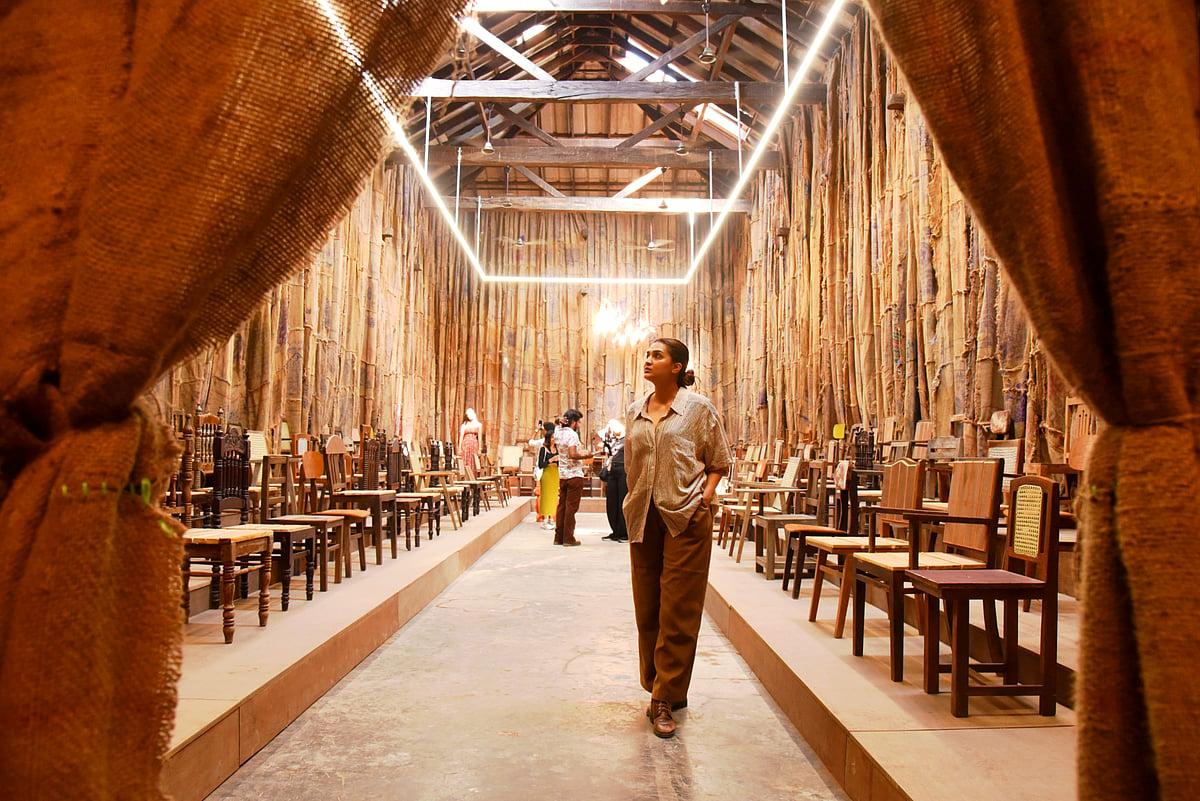
A JOURNEY OF ART, CULTURE & COMMUNICATION

Kochi-Muziris Biennale

An association from its inception to becoming Asia's largest contemporary art festival and India's biggest international art exhibition.

Explore the Case Study ↓
KOCHI, KERALA 2012 — PRESENT
THE BEGINNING OF A LONG-STANDING PARTNERSHIP

The story of our association from the first edition

Kochi Muziris Biennale first edition
01 / THE FIRST EDITION 2012 – 2013
A STORY OF TRUST & TRANSFORMATION

The Kochi-Muziris Biennale (KMB), the country's first Biennale, lasted from December 12, 2012 to March 17, 2013 — a good 96 days.

MD Niche played a key role in giving the contemporary international art festival sustained publicity over four months — a far cry from the initial phase of negativity and despondency.

As the PR consultant for KMB, we convinced an initially hostile media about the momentousness and magnitude of the extravaganza, prompting them to come up with positive stories by giving them ideas and angles, besides facilitating visits and meetings.

Our task, thus, was two-fold: brand-building and reputation management.

When our team reached the KBF office in Kochi on November 19, 2012, we could readily sense the pervasive atmosphere of resignation everywhere. And it was not without basis.

Kerala Culture Minister K C Joseph talked about blacklisting the event. Within a week, the government ordered a vigilance inquiry into the alleged misappropriation of funds, and also withdrew its nominees from the KBF. The day before the event's inauguration, it was still not confirmed whether Kerala Chief Minister Oommen Chandy would be present on the occasion as announced earlier.

Out of the morass of despondency, we had to extricate the event for its stakes were high: It involved not only the prestige of the event but also of the nation.

The enduring partnership which continues till date has catapulted Kochi Biennale to being the largest art exhibition in the country and the biggest contemporary art festival in Asia.
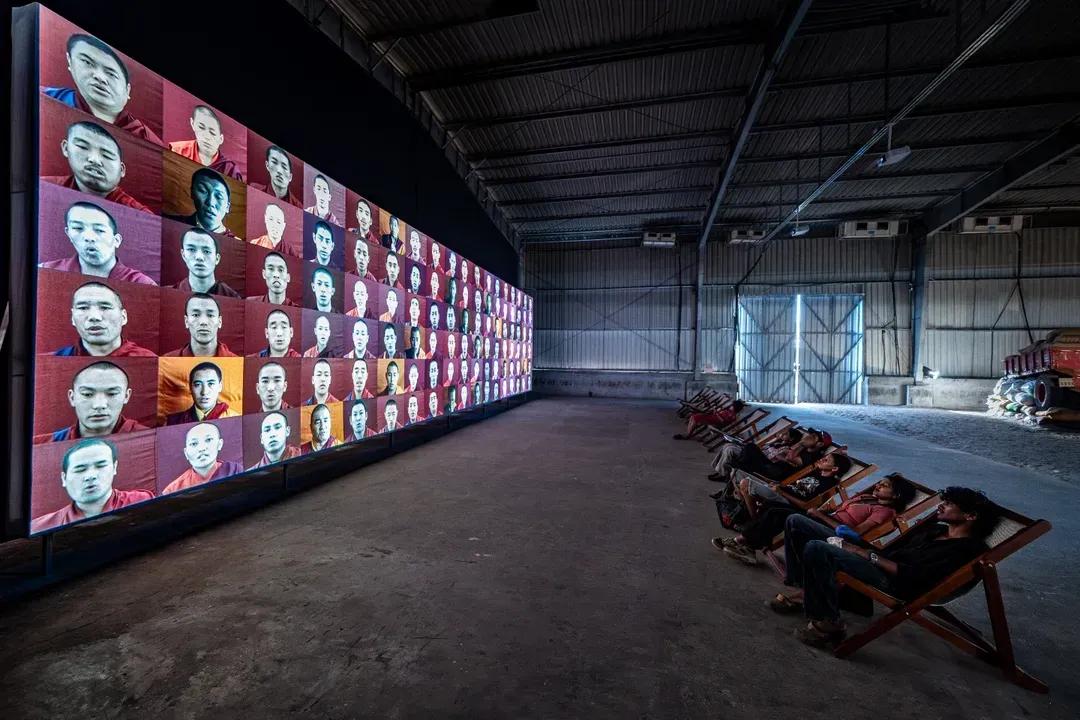
Contemporary artwork at Kochi Muziris Biennale

Art has the power to transform spaces, conversations and perceptions.

THE SIXTH EDITION

Rebuilding confidence. Reclaiming the narrative.

06

The sixth edition of the Kochi-Muziris Biennale was not simply another art event — it was a test of institutional credibility.

Following a turbulent fifth edition, the Kochi Biennale Foundation faced skepticism around governance, funding, and preparedness.

The communications mandate was clear: restore confidence, reclaim the narrative, and reposition Kochi as a global meeting point for contemporary art.

OUR COMMUNICATIONS FRAMEWORK

Strategy & Approach

A sustained, narrative-led media strategy rather than a short publicity burst.

01

Curatorial Vision

Curatorial interviews and vision statements that established the intellectual and artistic direction of the Biennale.

02

Building Anticipation

Announcements of artists, venues, and philanthropic support to create sustained interest ahead of the opening.

03

Stories of Transformation

Stories highlighting restored spaces, new venues, and improved accessibility via the Kochi Water Metro.

04

Transparent Communication

Challenges such as venue limitations and leadership changes were addressed openly, reinforcing credibility rather than eroding it.

CAMPAIGN PERFORMANCE

Reach of the Campaign

National visibility, regional presence and digital amplification strengthened the Biennale's public narrative.

TRACKED PRINT COVERAGE 4,15,975 Square centimetres
ADVERTISING VALUE EQUIVALENT ₹63.32 Cr+ AVE: Rs 63,32,22,156

National Media Visibility

The campaign achieved national-level visibility across leading publications including Mint, The Economic Times, The Hindu, The Indian Express, India Today, and Open. Regional coverage and inflight magazines (Namaste AI, Hello 6E) extended the footprint.

Digital Amplification

Digital platforms amplified the Biennale's presence: Instagram, WhatsApp media groups, and visitor-generated content created an ecosystem where the Biennale “spoke for itself” through images, videos, and stories.

On-ground Media Operations

On-ground media operations ensured scale and consistency: a dedicated team of writers and coordinators circulated up to seven story opportunities daily, alongside bi-weekly artist features.

MEDIA COVERAGE ACROSS
MINT THE ECONOMIC TIMES THE HINDU INDIAN EXPRESS INDIA TODAY OPEN
WHO WE ENGAGED

Target Audiences

01

Media Houses

National and regional media houses.

02

Art Enthusiasts

Art enthusiasts and cultural audiences across India.

03

Global Art Community

International artists and the global art community.

04

Young Contributors

Students, volunteers, and philanthropic supporters.

05

Local Stakeholders

Local Kerala audiences and policymakers.

MEASURING THE IMPACT

Contribution to Goals & Objectives

Communications helped demonstrate institutional readiness, amplify the artistic ecosystem and strengthen public confidence.

01

Credibility Restored

Credibility restored through transparent crisis communication.

02

Curatorial Vision Amplified

Curatorial vision amplified and ecosystem showcased (Students' Biennale, Edam, Art By Children, Residencies, Collaterals).

03

Preparedness Demonstrated

Preparedness demonstrated via venue restorations, volunteer mobilization, and connectivity improvements.

04

Institutional Support Secured

Institutional support secured, reinforcing the Biennale's cultural and economic significance.

WHAT MADE THE CAMPAIGN DISTINCT

Key Differentiators

01

Long-term Narrative

A long-term narrative strategy sustained over months.

02

Transparency First

Transparency as reputation management, addressing controversies head-on.

03

Expanded Footprint

Expanded geographical footprint with 22 venues, including a new venue at Willingdon Island.

04

Authentic Media Access

Full media access to venues, artists, and programmes, enabling authentic documentation.

05

Visitor Experience

Integration of visitor experience narratives such as Kochi Water Metro connectivity.

THE OUTCOME

From uncertainty to anticipation. From skepticism to celebration.

The Kochi-Muziris Biennale 2025 campaign was not measured merely by coverage volume. Its success lay in the return of confidence — transforming skepticism into anticipation, and uncertainty into cultural celebration.

By weaving transparency, inclusivity, and sustained storytelling into its communications, the Biennale reclaimed its stature as India's most significant contemporary art platform and reaffirmed Kochi's place on the global cultural map.

MD NICHE CREATING STORIES THAT LAST