RGCB researchers receive ₹7 crore grant to develop rapid, biopsy-free cervical cancer detection technology
Trivandrum / October 16, 2026
Thiruvananthapuram, Oct 16: Researchers at the BRIC–Rajiv Gandhi Centre for Biotechnology (BRIC-RGCB), Thiruvananthapuram, have received a ₹7 crore grant to develop an automated diagnostic device aimed at detecting early signs of cervical cancer from a blood sample, potentially reducing the need for invasive procedures and specialised technical expertise.
The project is supported through the MAHA MedTech Mission, launched by the Anusandhan National Research Foundation (ANRF), Indian Council of Medical Research (ICMR), and the Gates Foundation.
The research is being carried out at BRIC-RGCB in collaboration with the start-up IndZita Biotech Private Limited, Thiruvananthapuram, and Karkinos Healthcare Private Limited (KHPL), Barshi, Maharashtra.
“Dr. Beena Pillai, Director of RGCB, said that she is extremely proud that scientists at the BRIC-Rajiv Gandhi Centre for Biotechnology have received such a grant. More than a thousand proposals were received for the Anusandhan National Research Foundation (ANRF) grant, and RGCB was able to become one of the 33 proposals selected from them,” she added.
The proposed device is designed to detect piRNA-based biomarkers in blood and analyse them using nanopore technology, a highly sensitive molecular detection platform. The aim is to develop a rapid, automated testing system that can eventually be operated with minimal specialised training.
“The idea is to make the technology simple enough to be used beyond specialised laboratory settings. Once the device is fully developed and validated, a patient would only need to provide a blood sample, after which the automated system would perform the analysis,” said Dr Jackson James, the project’s lead researcher.
Cervical cancer remains an important public-health concern in India. Although screening and early detection can help identify cervical abnormalities before they progress to invasive disease, access to screening can be limited by the availability of trained personnel, laboratory infrastructure and appropriate diagnostic facilities, particularly in underserved settings.
The RGCB-led project aims to address some of these challenges by developing a minimally invasive, automated and potentially rapid blood-based approach for detecting cervical cancer biomarkers.
“The technology is designed to be minimally invasive, require limited technical intervention and potentially provide faster and more accessible testing. Our objective is to develop a platform that could eventually support screening and early detection in settings where conventional laboratory infrastructure is limited,” said Dr Ani V. Das, member of the research team.
The technology has already been patented, and the research team has completed laboratory-scale validation in cell culture and mouse models. A pilot study involving human blood samples has also been completed at a laboratory scale. Development of an early-stage prototype of the diagnostic device is currently underway.
The project team, comprising Dr. Jackson James, Dr. Ani V. Das and Dr. Mahendran K. R. from BRIC-RGCB, aims to translate the laboratory findings into a functional diagnostic platform that could ultimately support accessible, minimally invasive and automated cervical cancer screening, subject to further clinical validation and regulatory approval.
Ends
Photo Gallery
Latest PRESS RELEASES
-
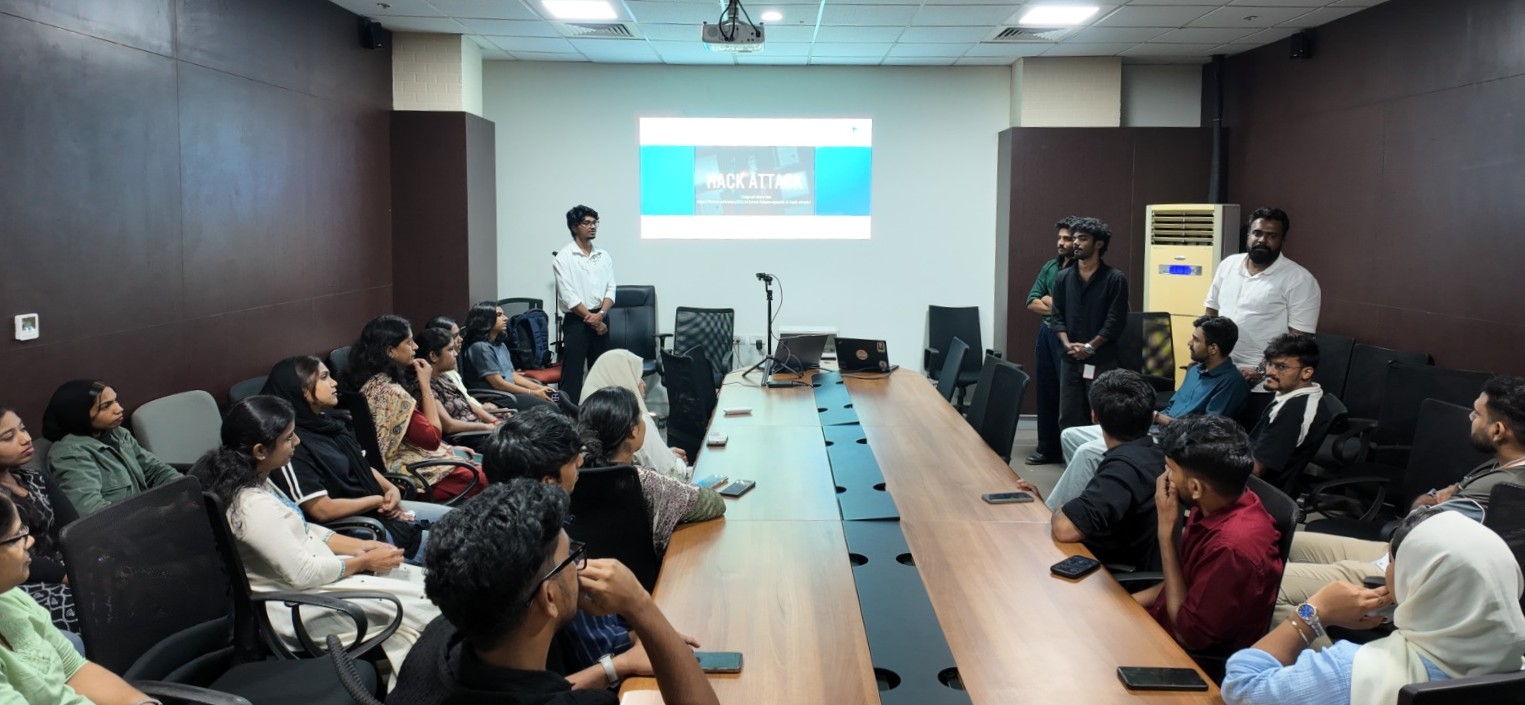
Wattlecorp, Government Cyberpark host cybersecurity awareness session for Cyber Month
October 29, 2026
-
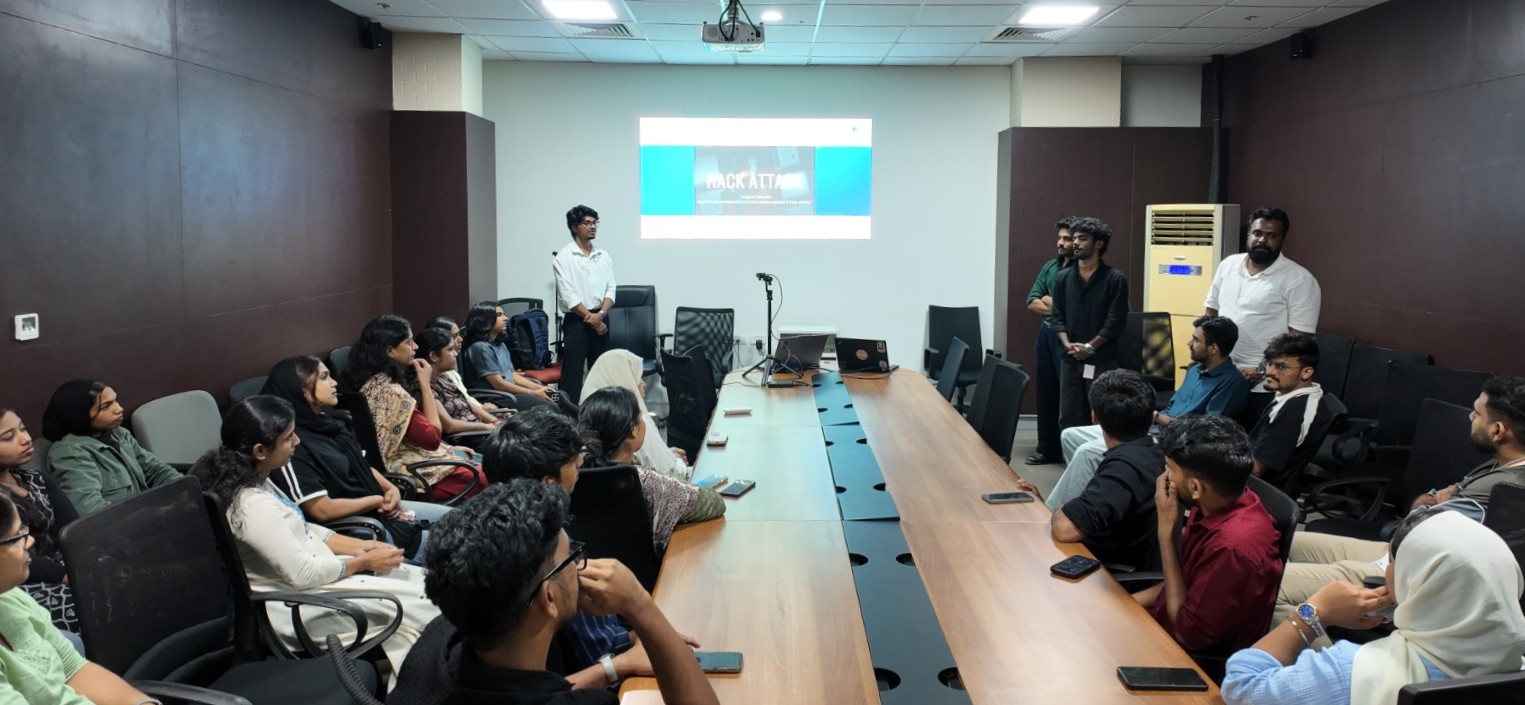
സൈബർ സുരക്ഷ ബോധവൽക്കരണ പരിപാടിയുമായി ഗവൺമെൻറ് സൈബർ പാർക്കും വാട്ടിൽ കോർപ്പും
October 29, 2026
-
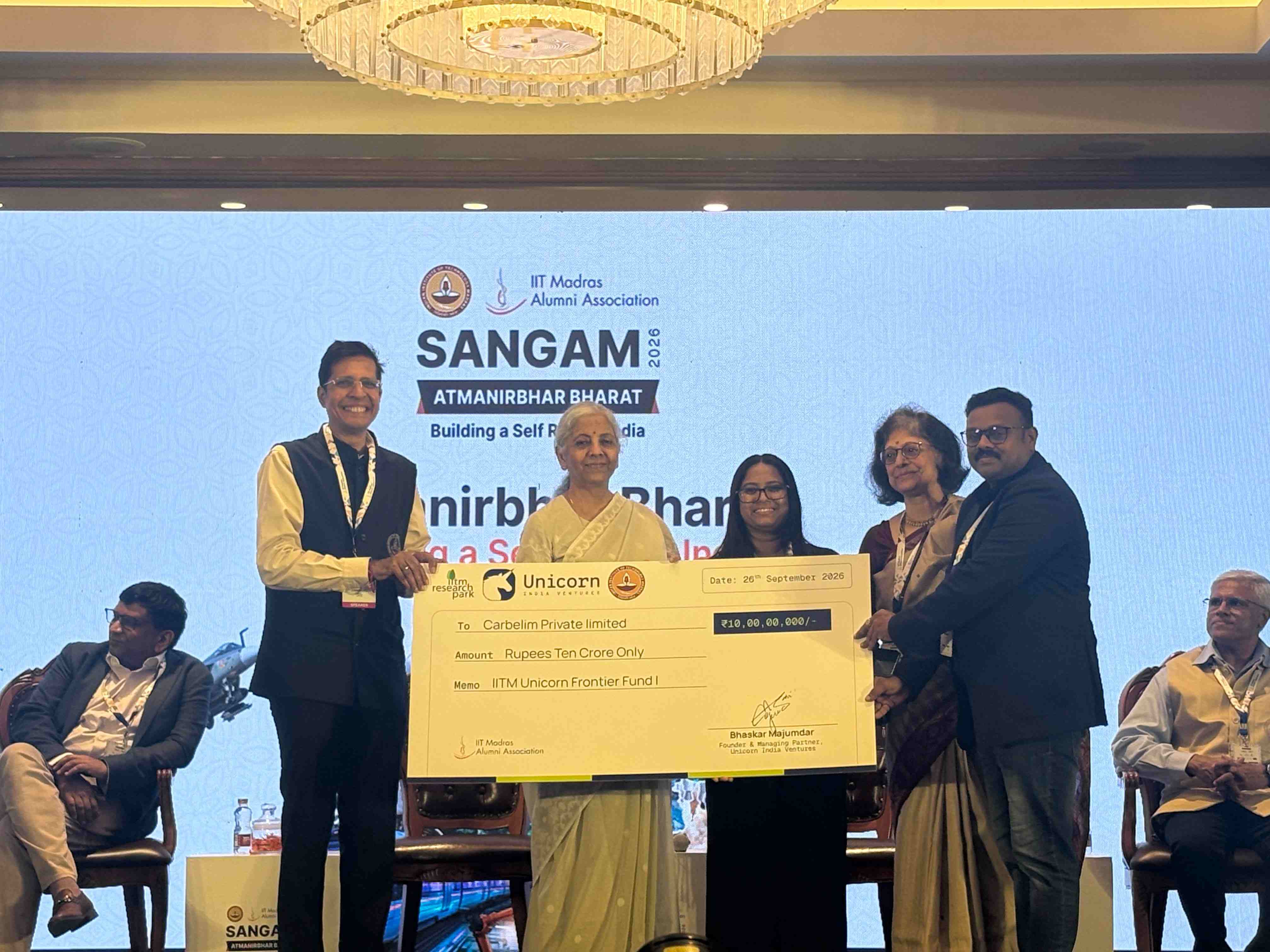
കെഎസ് യുഎം സ്റ്റാര്ട്ടപ്പായ 'കാര്ബെലിം' ഐഐടി മദ്രാസ് ഡീപ്-ടെക് ഫണ്ടില് നിന്ന് 10 കോടി രൂപ സമാഹരിച്ചു
October 29, 2026