Integration of data key to AI deployment in drug development: Experts at Bio Connect 4.0
Trivandrum / October 8, 2026
Thiruvananthapuram, Oct 8: The Government should facilitate the networking of hospitals, clinical research sites, AI labs, frontier labs and similar facilities under a focused research organization for the development of new drugs, opined experts at the International Life Sciences Industries Conclave, Bio Connect 4.0, here today.
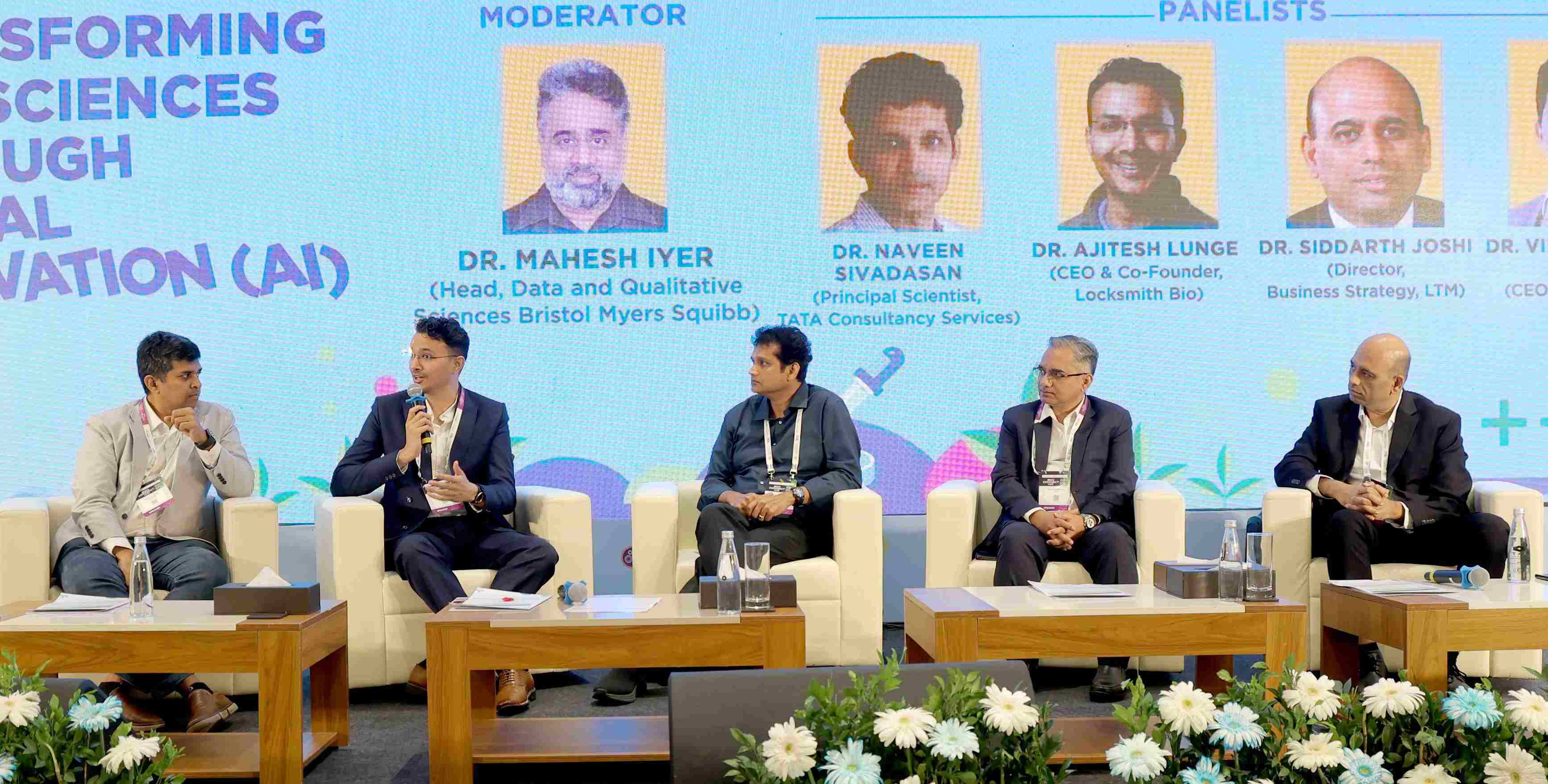
In a panel discussion on ‘Transforming Life Sciences through Digital Innovation (Al)’, experts deliberated on how AI is used in drug discovery and the importance of digitalisation of biological data.
Dr. Raj K. Shirumalla, Senior Scientific Advisor, Department of Pharmaceuticals, Government of India, Dr. Naveen Sivadasan, Principal Scientist, Tata Consultancy Services (TCS), Dr. Ajitesh Lunge, CEO & Co-Founder, Locksmith Bio, Dr. Siddarth Joshi ,Director -Business Strategy, LTM, and Dr. Vinodh Kumar Aditya, CEO, Capla GmbH, participated in the discussion.
Dr. Mahesh Iyer, Head, Data and Qualitative Sciences Bristol Myers Squibb, moderated the session.
“In India we always work in silos and this has to change; the government can be the facilitator in building a trustworthy system where data can be easily shared as these data products are of extreme value to model the human biology, “said Dr. Ajitesh Lunge.
‘We have to first digitalize biology in terms of every single data point that we can capture, and then only AI will grow,” he added.
“If you get onto the bandwagon and build the requisite infrastructure within the state, then you can attract a huge amount of investment around that ecosystem,” said Ajitesh.
About the advancements of AI in drug development panellists agreed that the speed at which drugs are discovered has increased drastically with the advent of AI.
Another important insight presented at the discussion was how AI has managed to get the success rate in phase one studies from about 40 percent to about 80 percent while it comes to phase two, it is still at 40 percent, which is what it used to be.
“AI has made us to go beyond what we think is treatable. A few months back a drug was discovered that can be very effective against pancreatic cancer. Important thing is that transformation can only happen when there are scaling laws applied to biology,” noted Dr. Siddarth Joshi.
Another panel discussion on ‘From discovery to next-generation healthcare (Biopharma)’ , focused on the latest treatments in Oral cancer.
Dr. Ravi Trivedi ,Vice President, Zydus Lifescience Limited, ; Dr. Praveen Ramamoorthy ,Chief Executive Officer, T Therapeutics LLC; Dr. Shane Miersh, CSO, Simisco Biologics, Canada, and Dr. Rahul Purwar, Professor, Indian Institute of Technology Bombay, deliberated on how to reduce the expense of oral cancer treatments.
Dr. CS Mani, Surgical Oncologist, Apollo Hospital, Chennai, was the moderator.
The most effective way to reduce expense for cancer treatment is by controlling the entire life cycle development of a drug which means you have to own your IP and then develop the drug based on the IP, said Dr. Rahul Purwar.
Bringing government, academia, and universities and other institutions and keeping the patient in the mind before discovering a drug is important, Dr. Ravi Trivedi said. “When we are developing any drug, be it for the repurposing or totally new drug, keep in mind that there should be some details on its translatability,” he added.
“Cancer is remarkably effective at adapting to situations and overcoming basically everything we throw at it. So I think we need start to approaching it from a more multi-methodistic standpoint, “said Dr Ravi.
ENDS
Photo Gallery
Content
Latest PRESS RELEASES
-
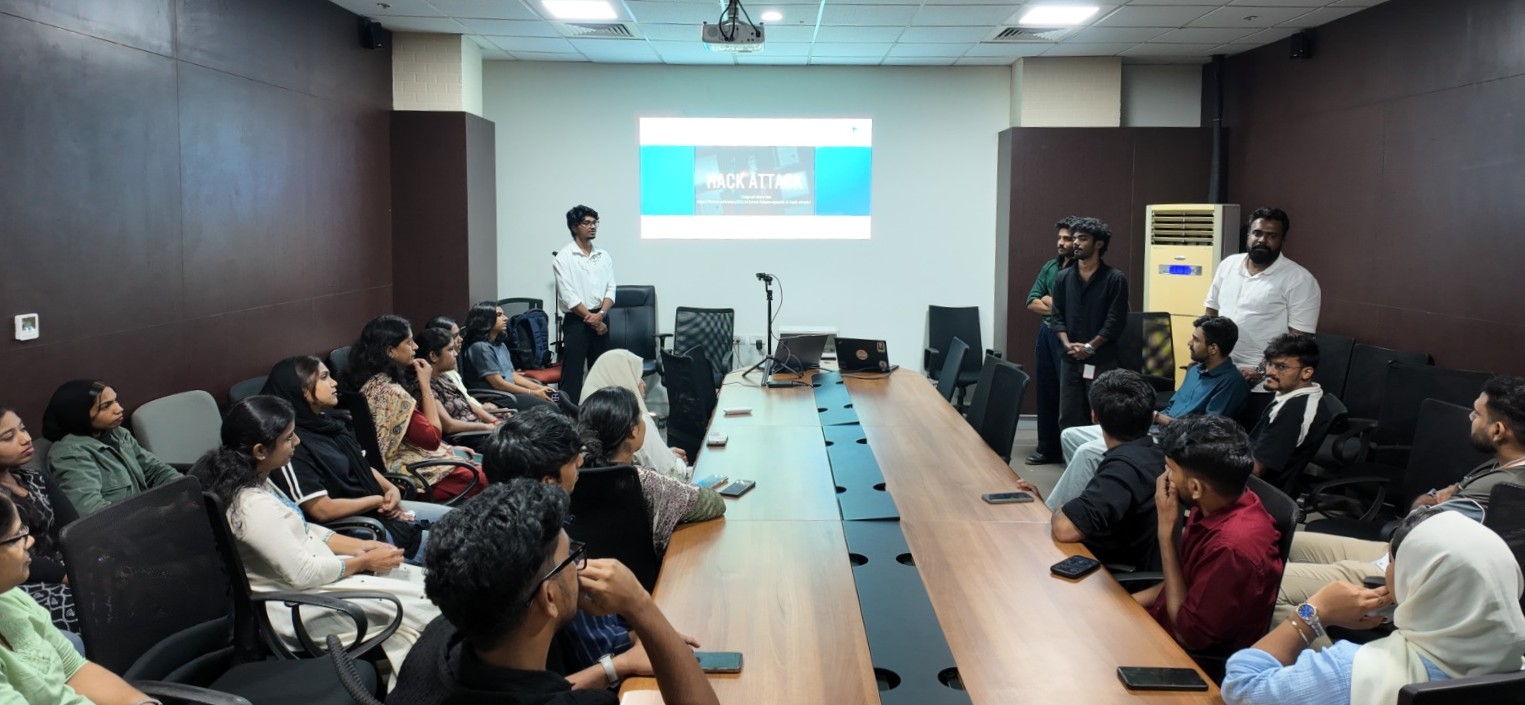
Wattlecorp, Government Cyberpark host cybersecurity awareness session for Cyber Month
October 29, 2026
-
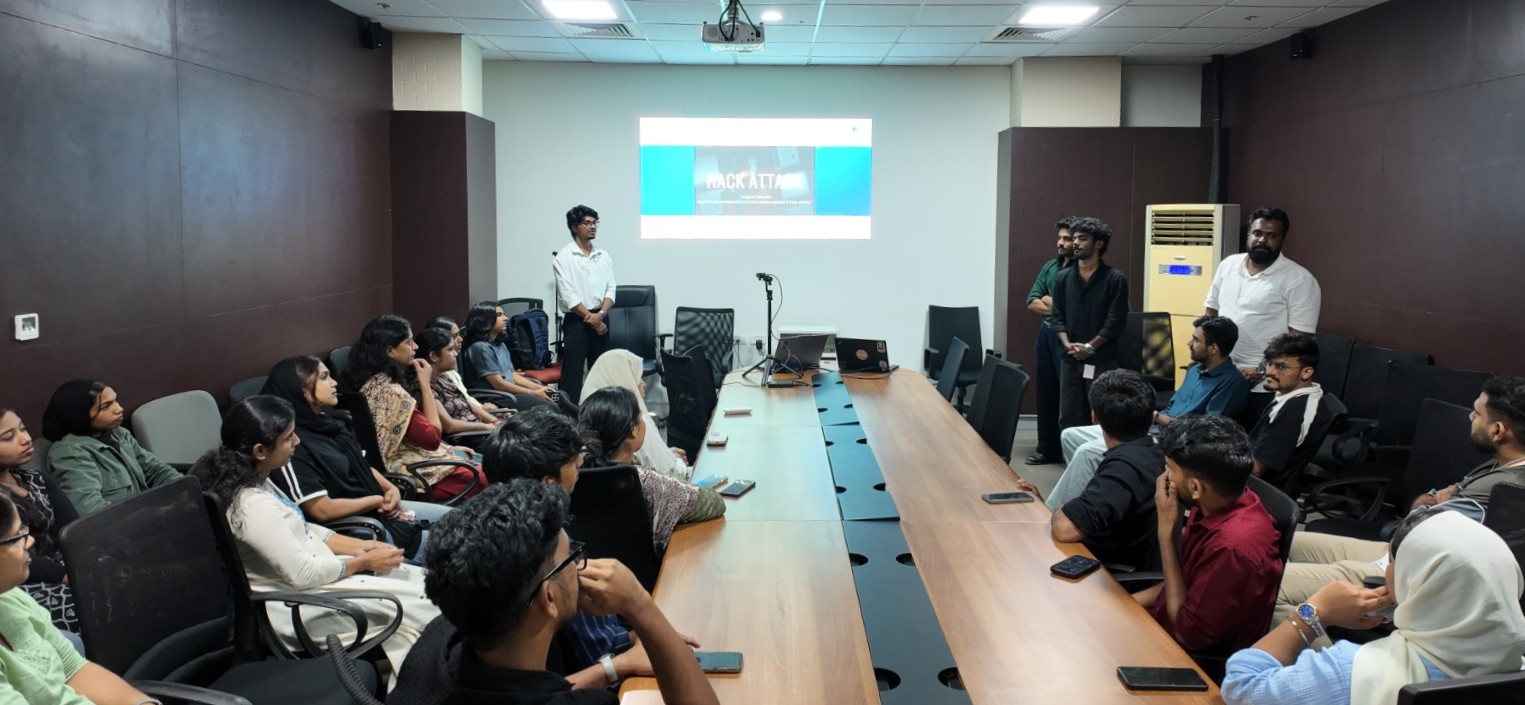
സൈബർ സുരക്ഷ ബോധവൽക്കരണ പരിപാടിയുമായി ഗവൺമെൻറ് സൈബർ പാർക്കും വാട്ടിൽ കോർപ്പും
October 29, 2026
-
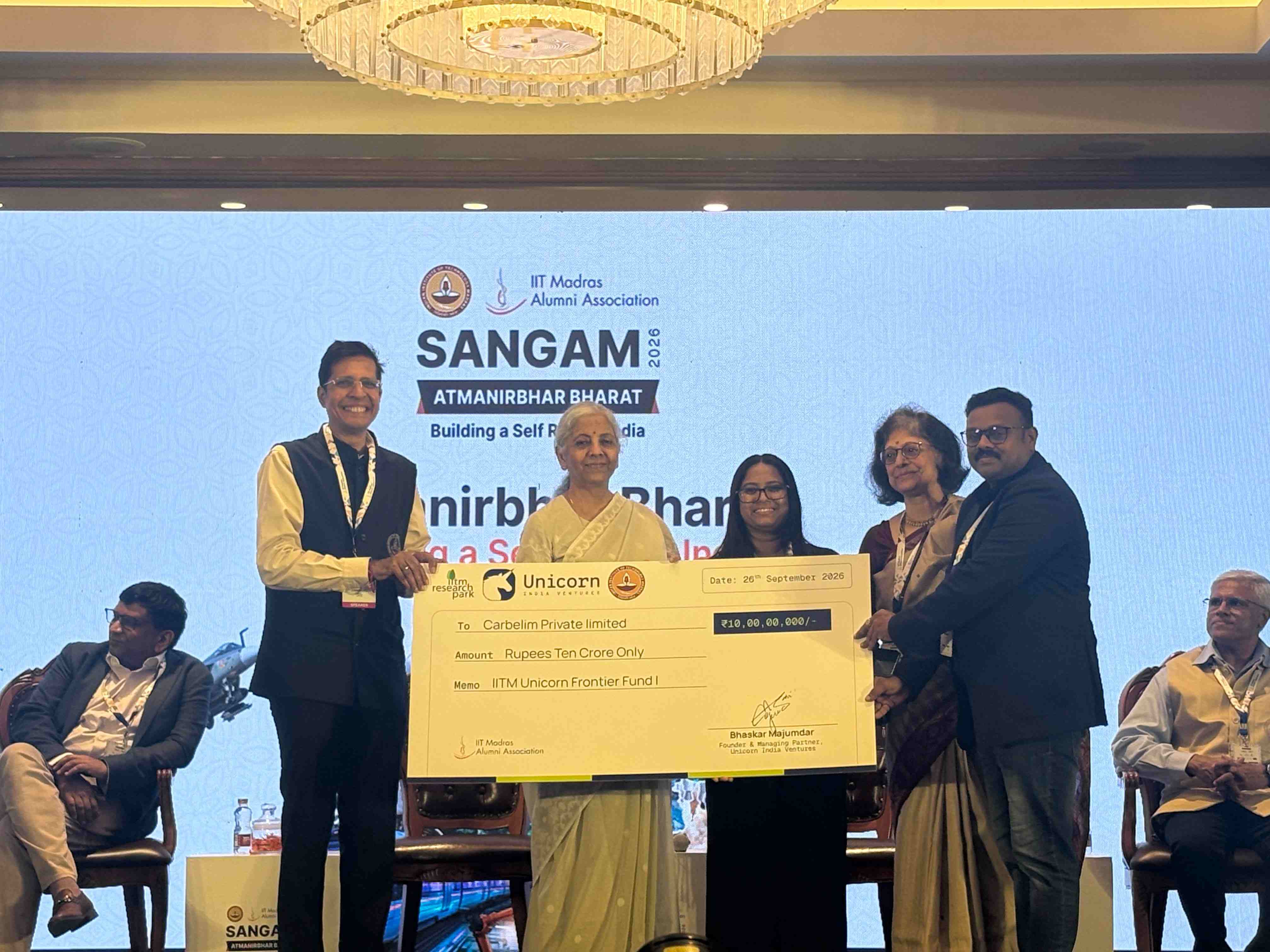
കെഎസ് യുഎം സ്റ്റാര്ട്ടപ്പായ 'കാര്ബെലിം' ഐഐടി മദ്രാസ് ഡീപ്-ടെക് ഫണ്ടില് നിന്ന് 10 കോടി രൂപ സമാഹരിച്ചു
October 29, 2026