Keralam’s capital can be India’s med device hub: Experts at Bio Connect 4.0
Trivandrum / October 9, 2026
Thiruvananthapuram, Oct 9: Keralam’s capital region is well-positioned to emerge as a medical-device development and manufacturing hub of India, participants noted during a panel discussion on “The Trivandrum Medical Cluster” at Bio Connect 4.0, the International Life Sciences Industries Expo and Conclave.
The session was anchored by Shri C. Balagopal, Chairman, Kerala State Industrial Development Corporation (KSIDC) and Kerala Life Sciences Industries Parks (KLIP), at the two-day event that opened on Thursday.
Keralam needs stronger partnerships between hospitals and the life sciences industry to develop affordable medical devices and accelerate healthcare innovation, said Dr. M.I. Sahadulla, CMD of KIMSHealth.
He pointed to the disconnect between hospitals and industry despite the substantial healthcare market in Keralam. The capital city alone has around 3,500 beds in government hospitals and nearly 3,000 in private hospitals, with thousands more across smaller and medium-sized hospitals in the wider region, Dr. Sahadulla said.
“Industry and hospitals should be partners,” he said, noting that doctors, nurses and other clinicians are well placed to identify practical problems that medical-device innovation could address.
Dr. Sahadulla said India is still heavily dependent on imported medical equipment, citing MRI-compatible infusion pumps and ventilators as examples of expensive products that could potentially be manufactured locally at a lower cost. Closer collaboration between hospitals and manufacturers could help identify needs, develop prototypes and scale up production, he said.
He also highlighted the market potential of locally developed healthcare products, citing an entrepreneur who shifted sanitary-pad production from Keralam to Coimbatore in Tamil Nadu, even though the product’s market remained largely in Keralam.
Dr. Sahadulla called for a common platform connecting hospitals, industry, academia and government agencies to help healthcare institutions communicate their needs and enable companies to develop suitable solutions.
He also urged greater support for clinical trials and a regulatory environment that encourages innovation without compromising patient safety.
Shri Mukund R Pillai, Executive Director – Operations, HLL Lifecare, said Sree Chitra Tirunal Institute for Medical Sciences and Technology (SCTIMST) is central to the state capital’s medical-device ecosystem, developing indigenous technologies that can replace imported products.
Shri Pillai said there are many locally developed and manufactured medical devices as a result of research getting translated into medical technologies and products.
Stressing the need for a coordinating body to bring together universities, research institutions, hospitals and medical-device manufacturers in Keralam as the ecosystem now remains fragmented, he suggested that the state Industries Department, KSIDC or an industry body could take the lead in fostering collaboration and driving the sector’s growth.
Shri Praveen Sagar, CTO & Technical Director, Ox Devices, highlighted the gap between pre-clinical research and human trials in medical-device development. He said that while development work and animal testing can be completed, moving to first-in-human trials requires a fully validated manufacturing process to ensure the product’s safety and reliability.
Ends
Photo Gallery
Latest PRESS RELEASES
-
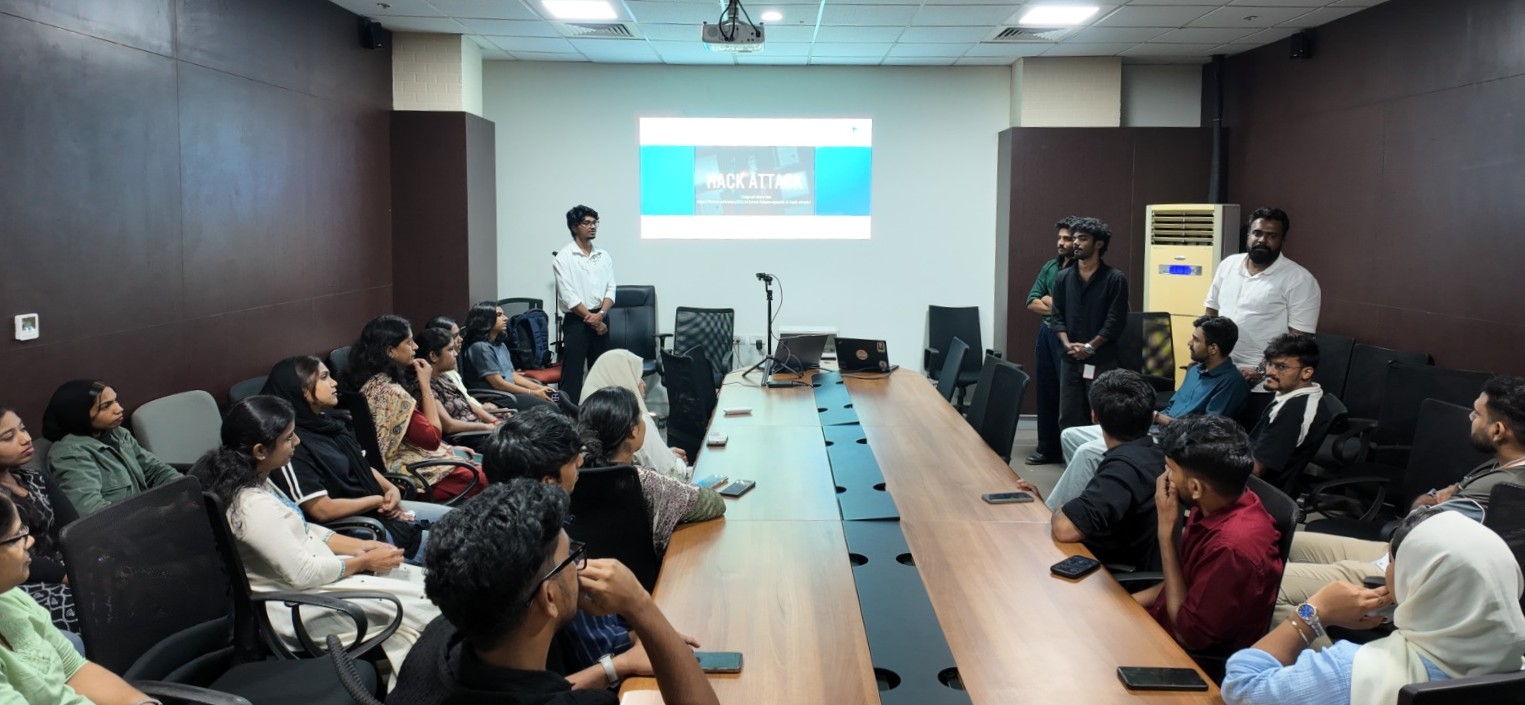
Wattlecorp, Government Cyberpark host cybersecurity awareness session for Cyber Month
October 29, 2026
-
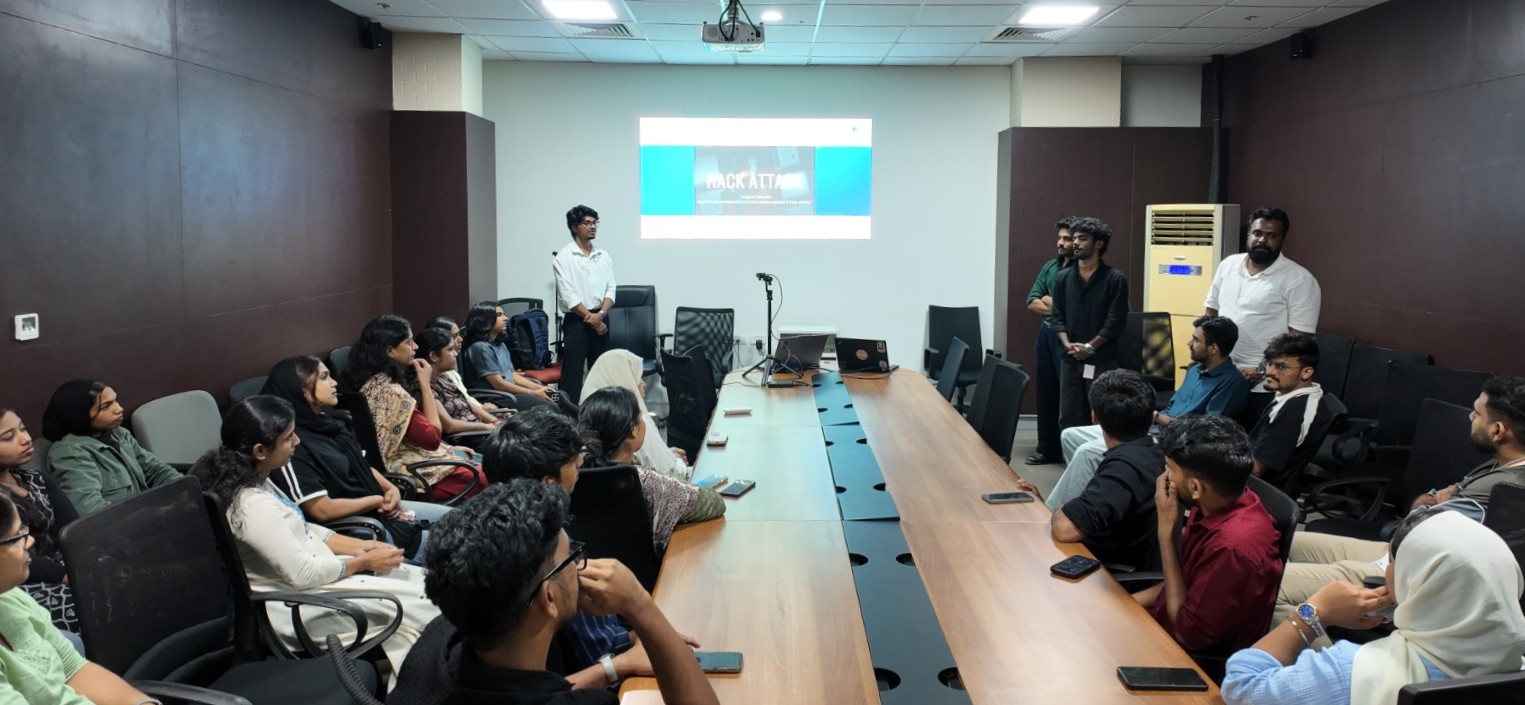
സൈബർ സുരക്ഷ ബോധവൽക്കരണ പരിപാടിയുമായി ഗവൺമെൻറ് സൈബർ പാർക്കും വാട്ടിൽ കോർപ്പും
October 29, 2026
-
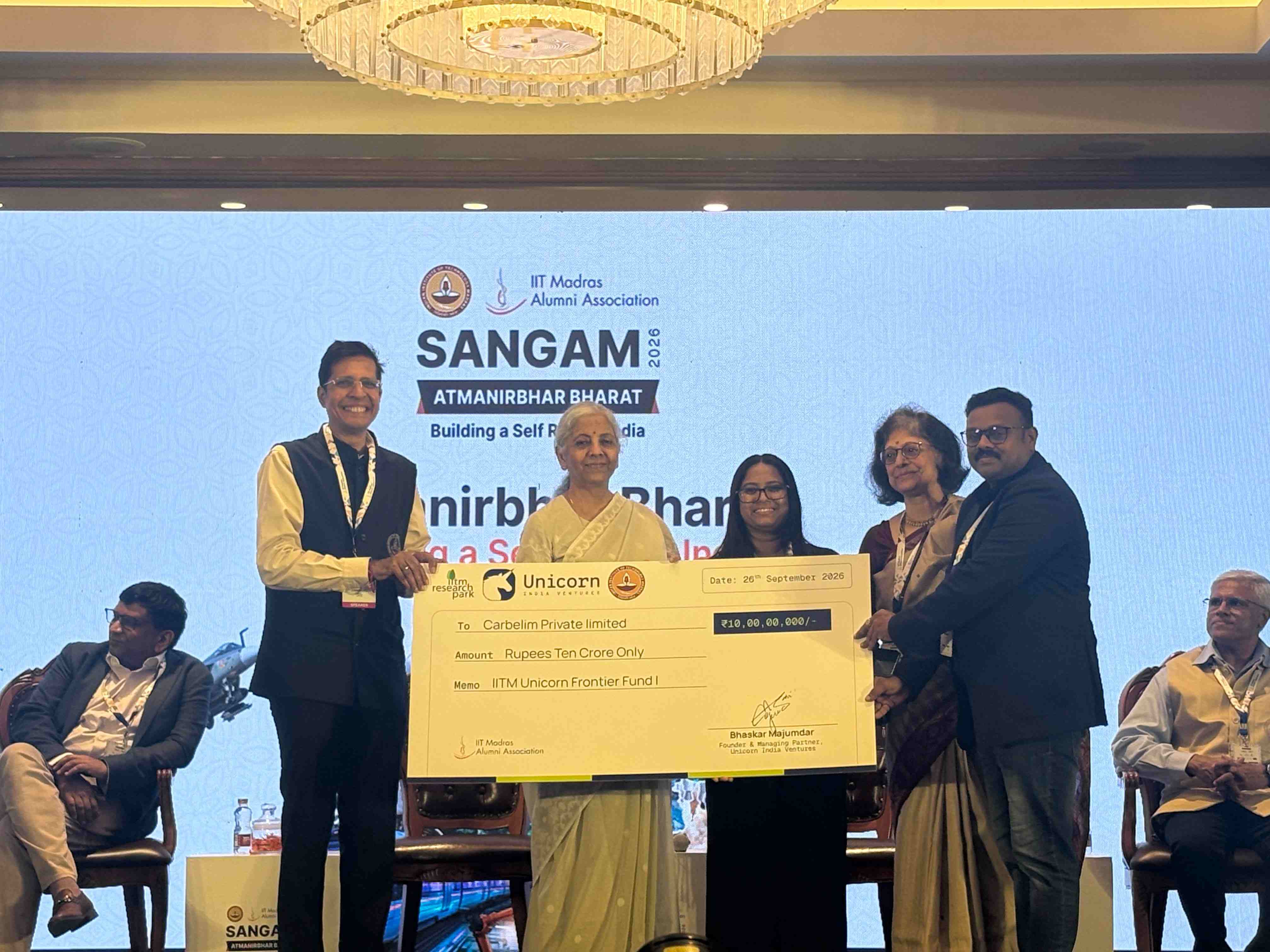
കെഎസ് യുഎം സ്റ്റാര്ട്ടപ്പായ 'കാര്ബെലിം' ഐഐടി മദ്രാസ് ഡീപ്-ടെക് ഫണ്ടില് നിന്ന് 10 കോടി രൂപ സമാഹരിച്ചു
October 29, 2026