Government to make Kerala a “port city,” says Chief Minister
To integrate ports, logistics and coastal infrastructure under Mission Samudra
Trivandrum / September 16, 2026
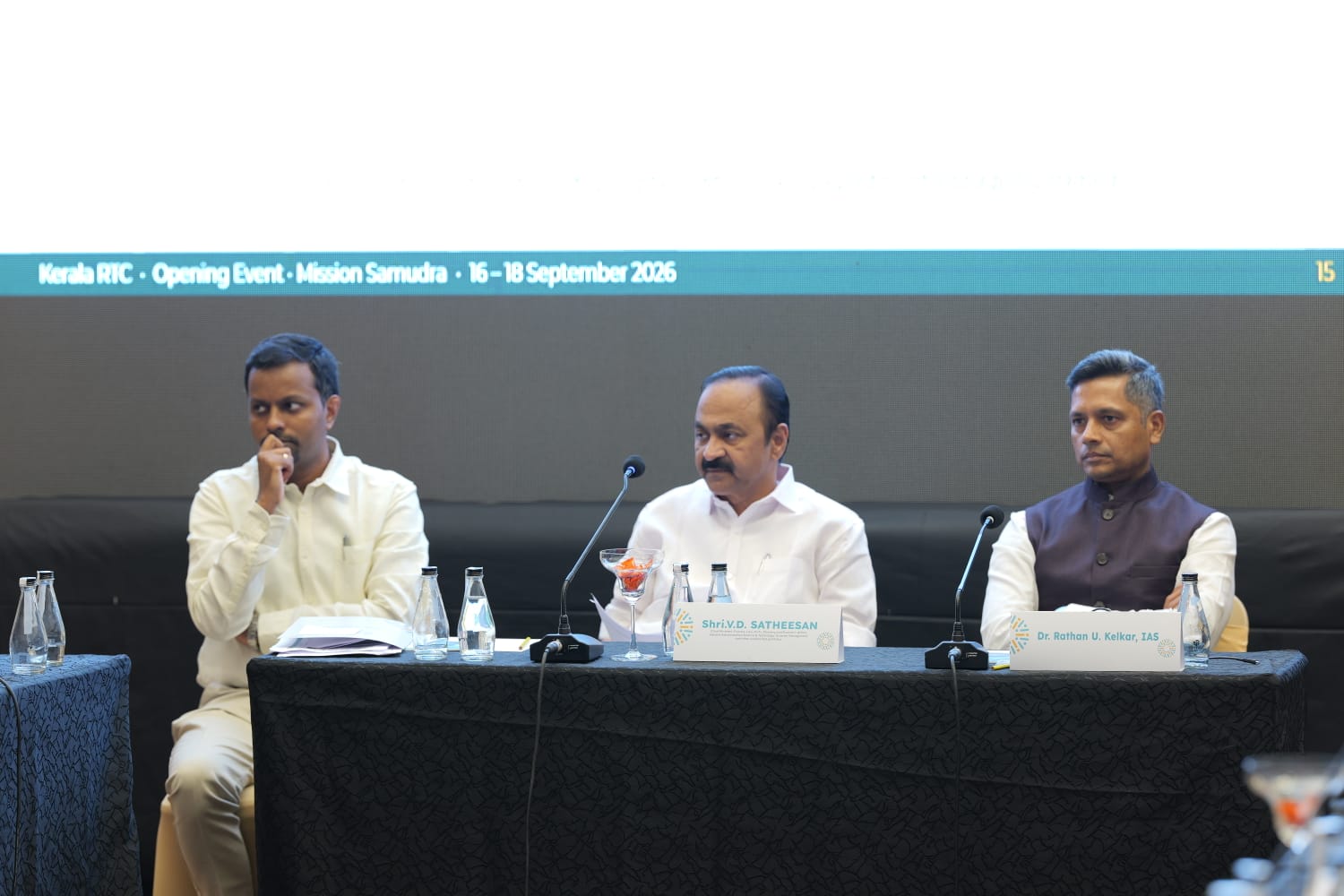
Thiruvananthapuram, Sept. 16: Kerala plans to integrate its ports, airports, roads and logistics infrastructure as part of a broader strategy to position the state as a major maritime and logistics hub, Chief Minister Shri VD Satheesan said here today.
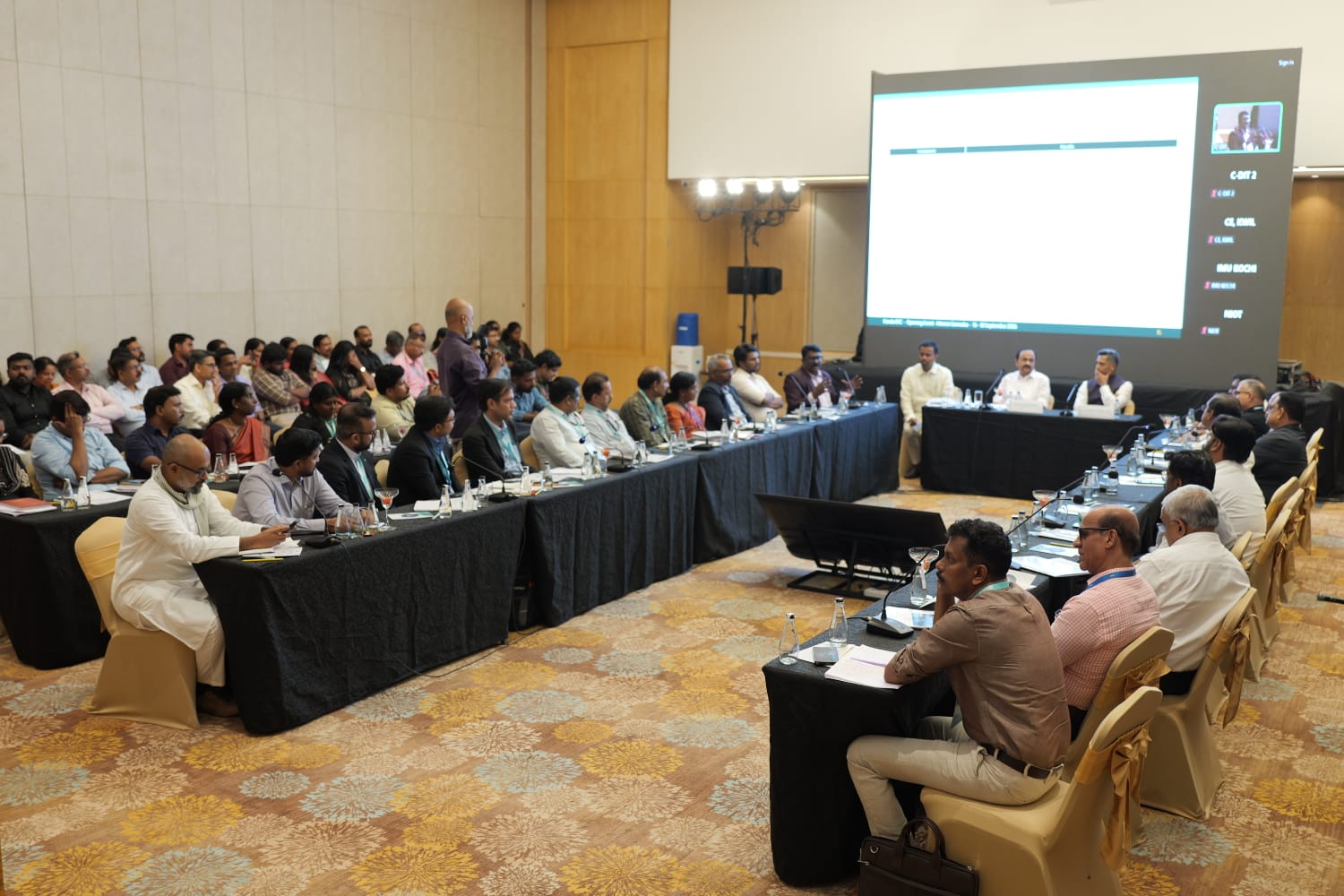
He was addressing a session on ‘Mission Samudra’ as part of the ‘Reimagining Keralam,’ a series of round-table conferences to set government’s projects on implementation path.
“We have a wonderful maritime history,” the Chief Minister said, referring to Kerala’s historic links with international trade. He pointed to the ancient port of Muziris, near Kochi, where archaeological excavations have uncovered evidence of the region’s trading links.
According to the Chief Minister, Kerala had trade relations with 31 states around the world 2,000 years ago, and Kerala should seek to revive that maritime advantage.
Kerala has around 600 km of coastline, two international seaports, a container terminal and 18 airports, he said, adding that the government’s objective is to integrate these assets and develop Kerala as a “port city”.
The government plans to develop Kerala’s smaller ports and improve facilities and connectivity around them, Satheesan said.
He also stressed the importance of developing activities outside the ports, including container freight stations and logistics infrastructure.
The government is looking to shift at least 50% of cargo movement from roads to alternative modes, including coastal and water-based transportation, as road congestion is expected to remain a challenge even after the completion of the national highway projects.
“Government doesn't want to run the business. We will facilitate and provide all facilities to those who want to invest here,” he said.
Satheesan said the government wants to develop cruise connectivity between Kerala and international destinations, including Dubai, the UAE and Doha, while also connecting the state’s smaller ports.
The government also plans to explore river cruises connecting Kerala’s 44 rivers, he said.
He also highlighted the potential of the blue economy and seafood exports. Kerala, he said, had been a leading seafood-exporting state but had lost ground over the past decade. The government has therefore proposed developing Alappuzha as a seafood hub.
Aquaculture will also receive greater attention, Satheesan said. He acknowledged that existing regulations and cultivation cycles could be hindering development and said the government was prepared to examine amendments to the relevant Acts, rules and provisions.
In what he described as a major step for investment facilitation, Shri Satheesan announced that the Cabinet has decided to amend 19 existing Acts to introduce a single approval mechanism for investments.
Under the proposed system, projects involving investments of ₹25 crore to ₹50 crore will be handled by a district-level committee, while investments above ₹50 crore would come under a state-level committee.
He described the proposed framework as “one approval, one law, one document”, aimed at reducing the need for investors to approach multiple departments. The government plans to bring the necessary amendments before the Assembly in the next session, Satheesan said.
During the session, industry stakeholders discussed issues affecting the maritime and port sectors, with stakeholders also joining online. Rathan U Kelkar, Secretary to the Chief Minister and Secretary, Ports Department; and Geromic George, Additional Secretary and Officer on Special Duty, Finance Department, MD of Vizhinjam International Seaport Ltd and CEO of the Kerala Maritime Board, led the discussions.
In another round-table discussion on ‘Southern Kerala Economic Corridor’, experts called for efficient planning, integration of projects, infrastructure and economic activities to create the Southern Kerala Economic Corridor, bringing together the districts of Thiruvananthapuram, Kollam and Alappuzha as an integrated economic region of strategic national importance.
These districts should be brought together by leveraging their unique combination of strengths: the world-class Vizhinjam deep-sea port, critical coastal mineral resources, deposits of rare minerals, space technology institutions and a blue economy with unparalleled potential. Kollam could emerge as a hub for mineral processing and rare minerals, while Alappuzha could become India’s blue economy capital. By connecting logistics, technology, manufacturing, research and natural resources within a single development framework, the Southern Kerala Economic Corridor could create a strong diversified economy.
Shri R Hari Krishnan, former Executive Director of the Kerala State Industrial Development Corporation (KSIDC), VSCC former director Dr S Unnikrishnan Nair, Admiral Hari Kumar PVSM, AVSM, VSM, former Chief of Indian Navy & Synergia Foundation, and Shri Balakrishna Menon, Lead DRM Specialist, World Bank, attended the session.
Ends
Latest PRESS RELEASES
-
Wattlecorp, Government Cyberpark host cybersecurity awareness session for Cyber Month
October 29, 2026
-
സൈബർ സുരക്ഷ ബോധവൽക്കരണ പരിപാടിയുമായി ഗവൺമെൻറ് സൈബർ പാർക്കും വാട്ടിൽ കോർപ്പും
October 29, 2026
-
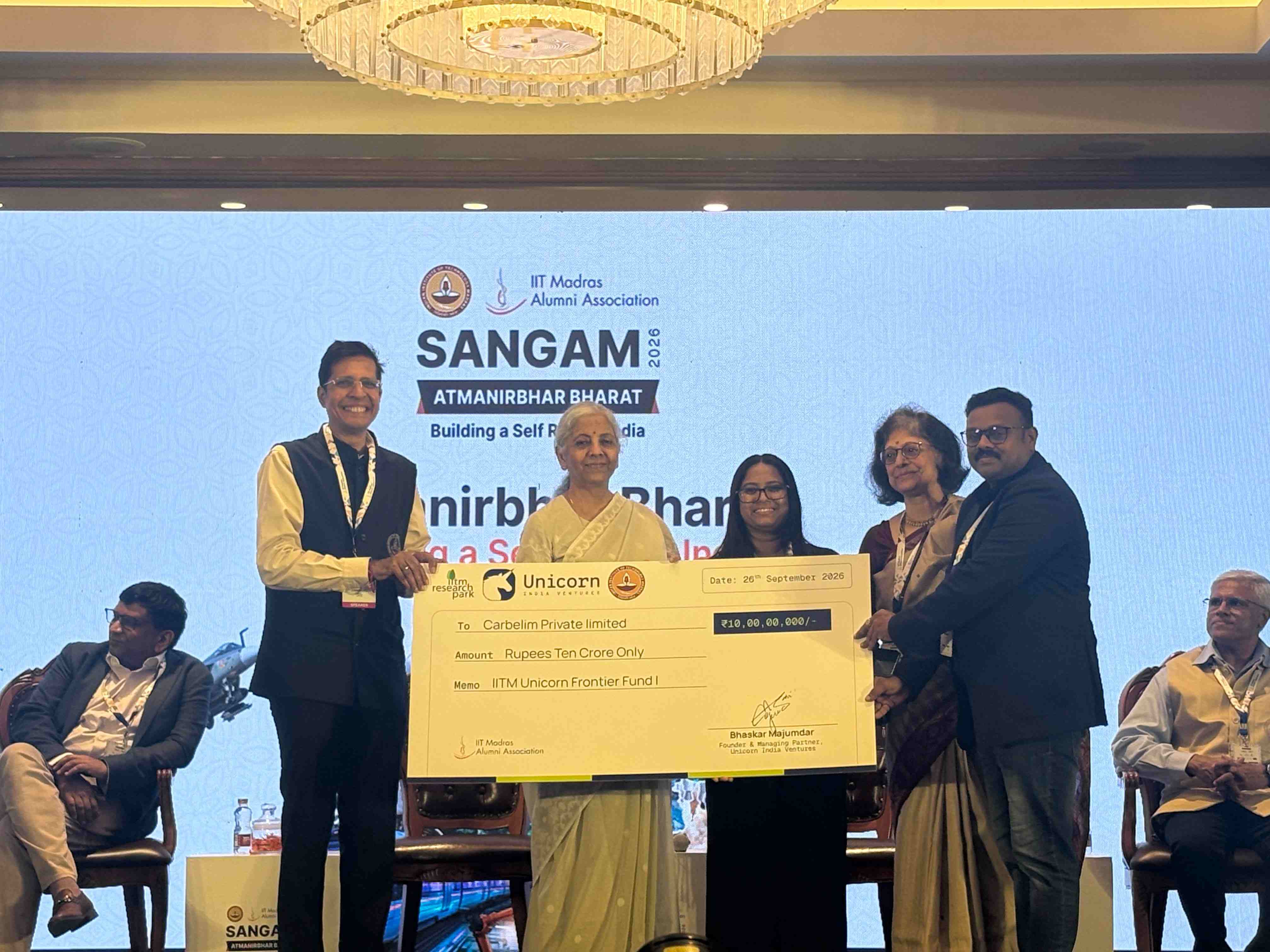
കെഎസ് യുഎം സ്റ്റാര്ട്ടപ്പായ 'കാര്ബെലിം' ഐഐടി മദ്രാസ് ഡീപ്-ടെക് ഫണ്ടില് നിന്ന് 10 കോടി രൂപ സമാഹരിച്ചു
October 29, 2026