Stakeholders call for stronger credit support for MSMEs
Trivandrum / September 17, 2026
Thiruvananthapuram, Sept. 17: Keralam’s MSME sector needs stronger access to credit, greater collaboration between government, industry and academia and a sharper focus on sustainable and export-oriented industries, stakeholders participating in the round table conference on ‘Kerala MSME Growth Scheme’ at the ‘Reimagining Keralam’ event said today.
Shri Snehil Kumar Singh, Director, Industries and Commerce, Shri Arun K Vijayan, Director, General Education, and Prof V. Padmanand, Partner, Grant Thornton Bharat, led the discussions.
The session, on the second day of the three-day event, highlighted opportunities in various verticals including seafood, aquaculture, plywood and rubber.
The deliberations emphasised on the need to balance Keralam’s development strategy and industrial expansion with the protection of its biodiversity, including the Western Ghats and the state’s extensive network of water bodies.
Keralam’s economy remains predominantly service-led, with the sector accounting for around 60–65% of economic activity, while manufacturing contributes about 24% and agriculture around 14%, according to figures cited during the discussions.
Keralam has considerable potential to expand seafood exports by scaling up aquaculture and strengthening connections with global markets, they pointed out.
The potential of rubber replantation in strengthening the state’s raw-material base and supporting the long-term growth of the economy was also pointed out.
The participants identified educated unemployment, dependence on food imports and the state’s high reliance on overseas remittances as key challenges.
Difficulties faced by startups and new enterprises in securing bank finance were also raised by the participants, calling for a stronger credit-guarantee mechanism to encourage banks to support young entrepreneurs and innovative MSMEs. State-level credit-guarantee models in other parts of the country were cited as models, including arrangements that provide up to 95% guarantee coverage through a combination of central and state support.
A ₹100-crore state-level credit-guarantee window, which could leverage the corpus multiple times through institutional lending, could be considered. Existing national mechanisms such as the Credit Guarantee Scheme for Startups and the Credit Guarantee Fund Scheme for Skill Development Loans were also cited as possible models for developing a Keralam-specific mechanism.
The stakeholders also underlined the importance of technology and intellectual-property support. Existing initiatives of the Ministry of MSME to support commercialisation of intellectual property, including patents and other registered IP assets, could be leveraged more effectively. Technology Transfer Facilitation Centres were highlighted as another mechanism for helping MSMEs take innovations from development to commercialisation.
Rather than creating parallel institutions and schemes, Keralam should strengthen and connect existing technology business incubators, incubation centres and technology-transfer infrastructure, participants suggested. Greater collaboration between academia, industry, professional bodies, chambers of commerce and government agencies could help build a stronger pipeline from skills and innovation to enterprise creation and employment.
The broader message from the MSME discussions was that Keralam’s economic growth needs to become more employment-oriented and demand-driven. The participants emphasised the need to understand domestic and global market demand, anticipate risks and equip potential entrepreneurs with the skills, knowledge, finance and institutional support required to build sustainable businesses.
Ends
Photo Gallery
Latest PRESS RELEASES
-
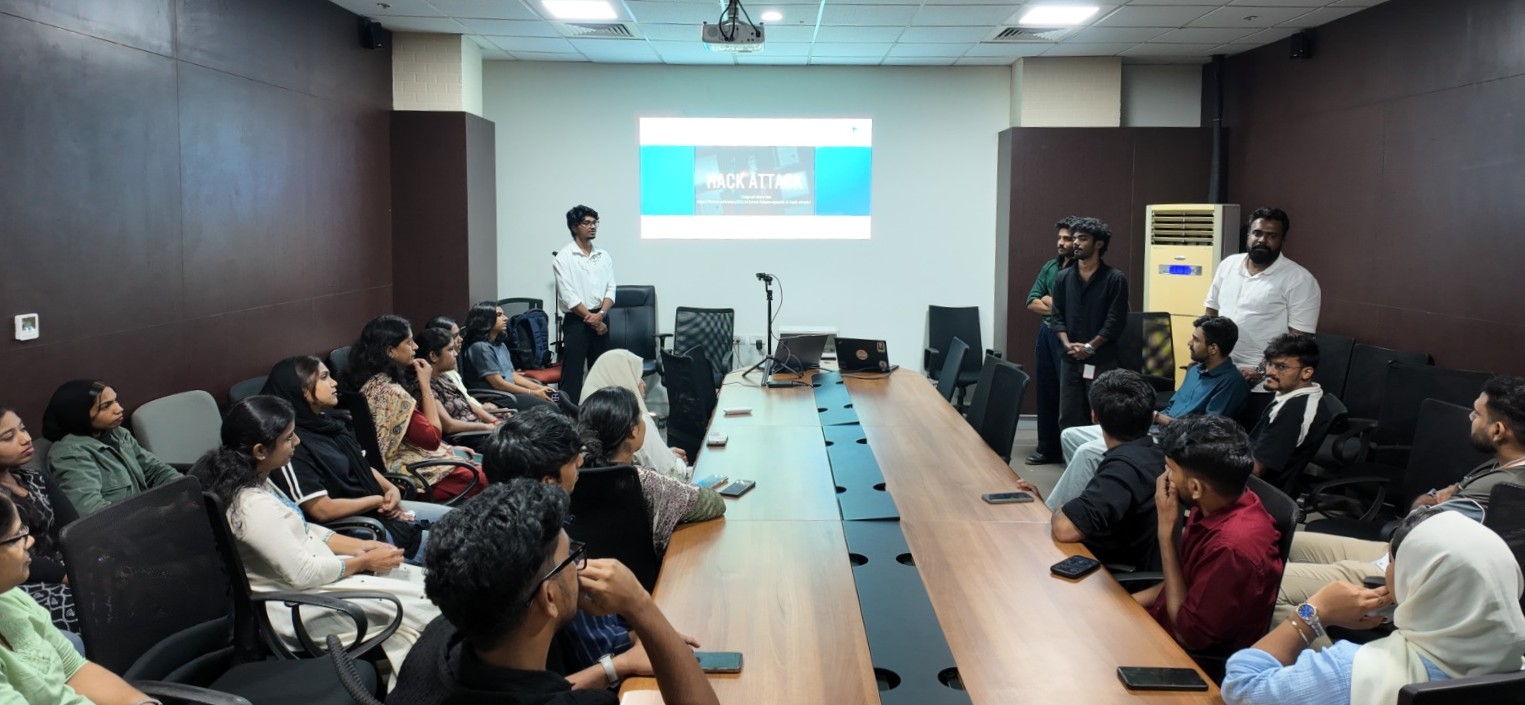
Wattlecorp, Government Cyberpark host cybersecurity awareness session for Cyber Month
October 29, 2026
-
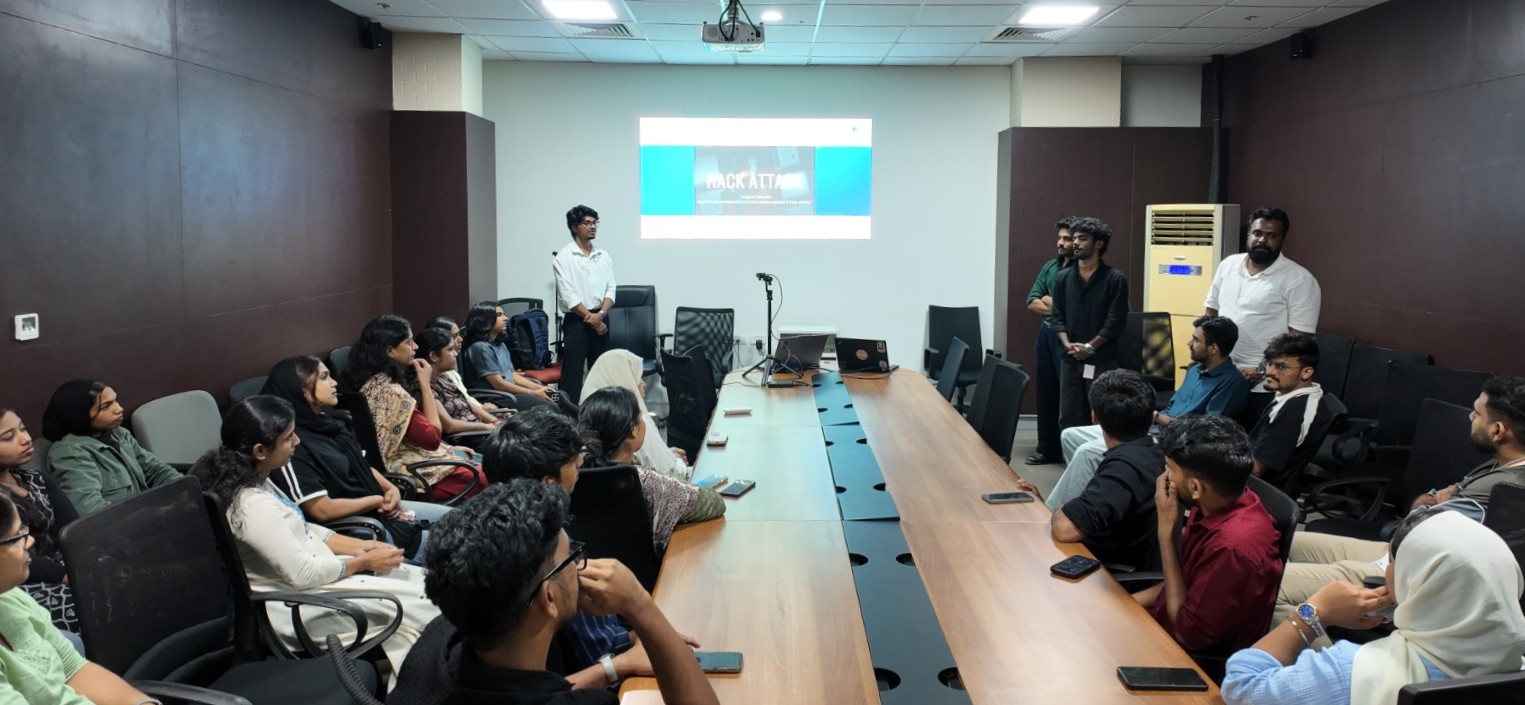
സൈബർ സുരക്ഷ ബോധവൽക്കരണ പരിപാടിയുമായി ഗവൺമെൻറ് സൈബർ പാർക്കും വാട്ടിൽ കോർപ്പും
October 29, 2026
-
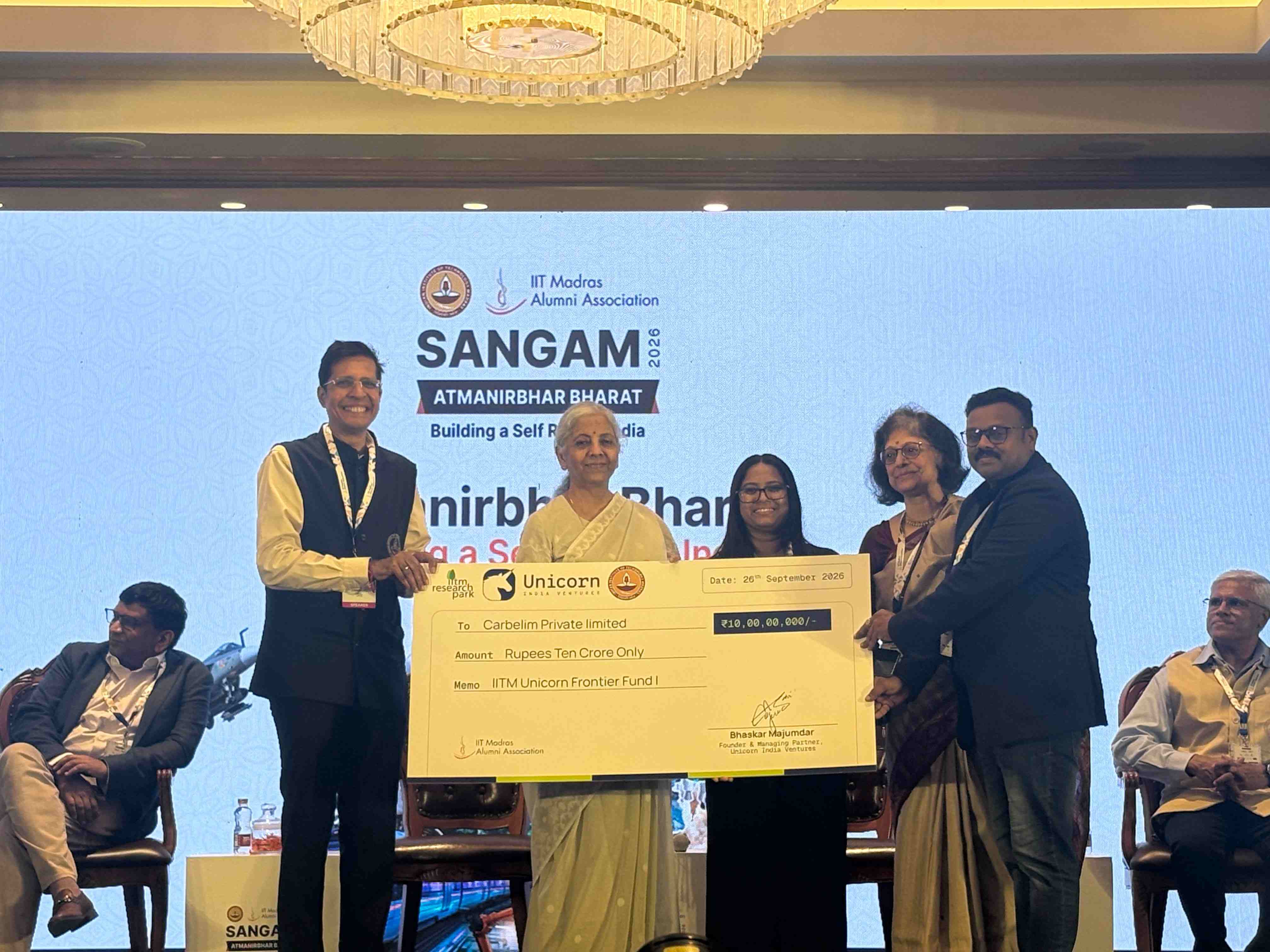
കെഎസ് യുഎം സ്റ്റാര്ട്ടപ്പായ 'കാര്ബെലിം' ഐഐടി മദ്രാസ് ഡീപ്-ടെക് ഫണ്ടില് നിന്ന് 10 കോടി രൂപ സമാഹരിച്ചു
October 29, 2026