Cancer drug weakens deadly pneumonia pathogen, says a RGCB study
Trivandrum / August 12, 2026
Thiruvananthapuram, Aug 12: Scientists at the BRIC-Rajiv Gandhi Centre for Biotechnology (BRIC-RGCB) have discovered that an FDA-approved cancer drug, sorafenib, could be repurposed to combat multidrug-resistant Streptococcus pneumoniae, one of the world's leading causes of bacterial pneumonia and a major contributor to antimicrobial resistance (AMR).
The breakthrough, published in the prestigious mBio journal of the American Society for Microbiology, demonstrates that sorafenib effectively disables a key bacterial regulatory protein, opening a promising new strategy treating antibiotic-resistant infections responsible for over a million deaths annually.
The findings could accelerate the development of next-generation antimicrobial therapies by targeting bacterial regulatory enzymes, potentially providing a vital weapon against antibiotic-resistant infections rather than relying solely on conventional antibiotics for combating deadly respiratory pathogens.
Noting that antimicrobial resistance is among the world's most pressing public health challenges, the study also underscores the growing potential of drug repurposing as a faster and more cost-effective approach to discovering treatments for life-threatening infectious diseases.
The research team found that sorafenib targets StkP, a bacterial protein that acts as a master regulator of cell division, cell wall formation and disease-causing ability. Using advanced computational modelling, biochemical analyses and infection studies, the researchers showed that the drug effectively halted bacterial growth across multiple pneumococcal serotypes. Importantly, it remained highly effective against clinical isolates that are highly resistant to frontline antibiotics like penicillin and erythromycin.
Senior author Dr. Karthik Subramanian said the findings demonstrate that targeting conserved bacterial signalling mechanisms can overcome established drug resistance.
"The pathogen's core regulatory machinery is highly vulnerable. By securely locking onto this specific protein cleft, the drug effectively jams its essential survival processes and strips away its defences," he noted.
BRIC-RGCB Director Dr. Beena Pillai said, “Antimicrobial resistance is one of the greatest public health challenges of our time, and innovative solutions are urgently needed. This study demonstrates the immense potential of repurposing existing drugs to rapidly develop effective therapies against multidrug-resistant pathogens. It also reflects BRIC-
RGCB's commitment to translating cutting-edge scientific research into solutions that address critical global health challenges."
The researchers also found that sorafenib severely disrupts the pathogen's cell wall integrity, resulting in structural abnormalities, extensive cell wall damage and reduced ability to invade lung cells. These changes make the bacteria significantly more susceptible to elimination by the body's immune system through enhanced complement proteins
Led by Joel Abraham and colleagues, the study also challenges the conventional approach of developing entirely new classes of antibiotics, a process that often takes more than a decade.
Instead, the researchers found that S. pneumoniae showed a low tendency to develop resistance to sorafenib even after repeated exposure over multiple bacterial generations, highlighting its potential as a durable candidate for clinical use.
The study was carried out in collaboration with scientists from the Indian Institute of Science Education and Research (IISER) Thiruvananthapuram and clinicians at the Christian Medical College (CMC), Vellore.
In animal models of pneumococcal pneumonia, treatment with sorafenib at just one-tenth of its standard human clinical dosage significantly delayed disease progression and reduced bacterial burden in the lungs.
The findings establish bacterial kinases as promising therapeutic targets for combating antimicrobial resistance and demonstrate how repurposing existing medicines can substantially shorten the path towards effective new treatments.
"This work identifies a critical vulnerability in a major human pathogen and demonstrates how existing drugs can be repurposed to accelerate the search for new antimicrobials," the researchers said.
Ends
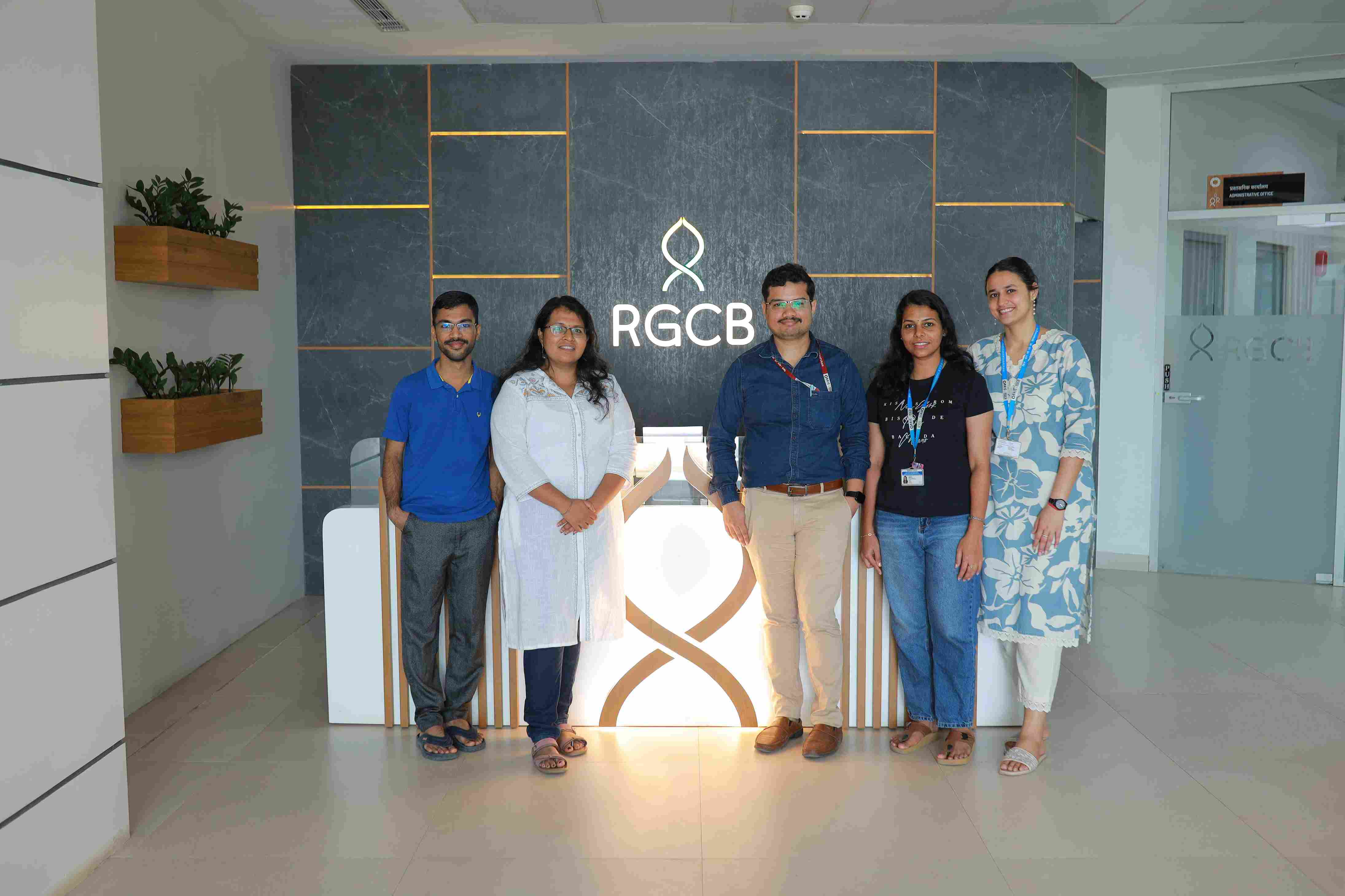
Photo Gallery
Content
Latest PRESS RELEASES
-
International Cyber Women’s Day seminar held at Government Cyberpark
September 1, 2026
-
ഗവ. സൈബര്പാര്ക്കില് അന്താരാഷ്ട്ര സൈബർ വനിതാ ദിന സെമിനാര്
September 1, 2026
-
Infopark Cherthala hosts ‘Inforhythm 2026’

September 1, 2026