BRIC-RGCB scientists developing drugs to fight dormant cancer cells
Trivandrum / August 3, 2026
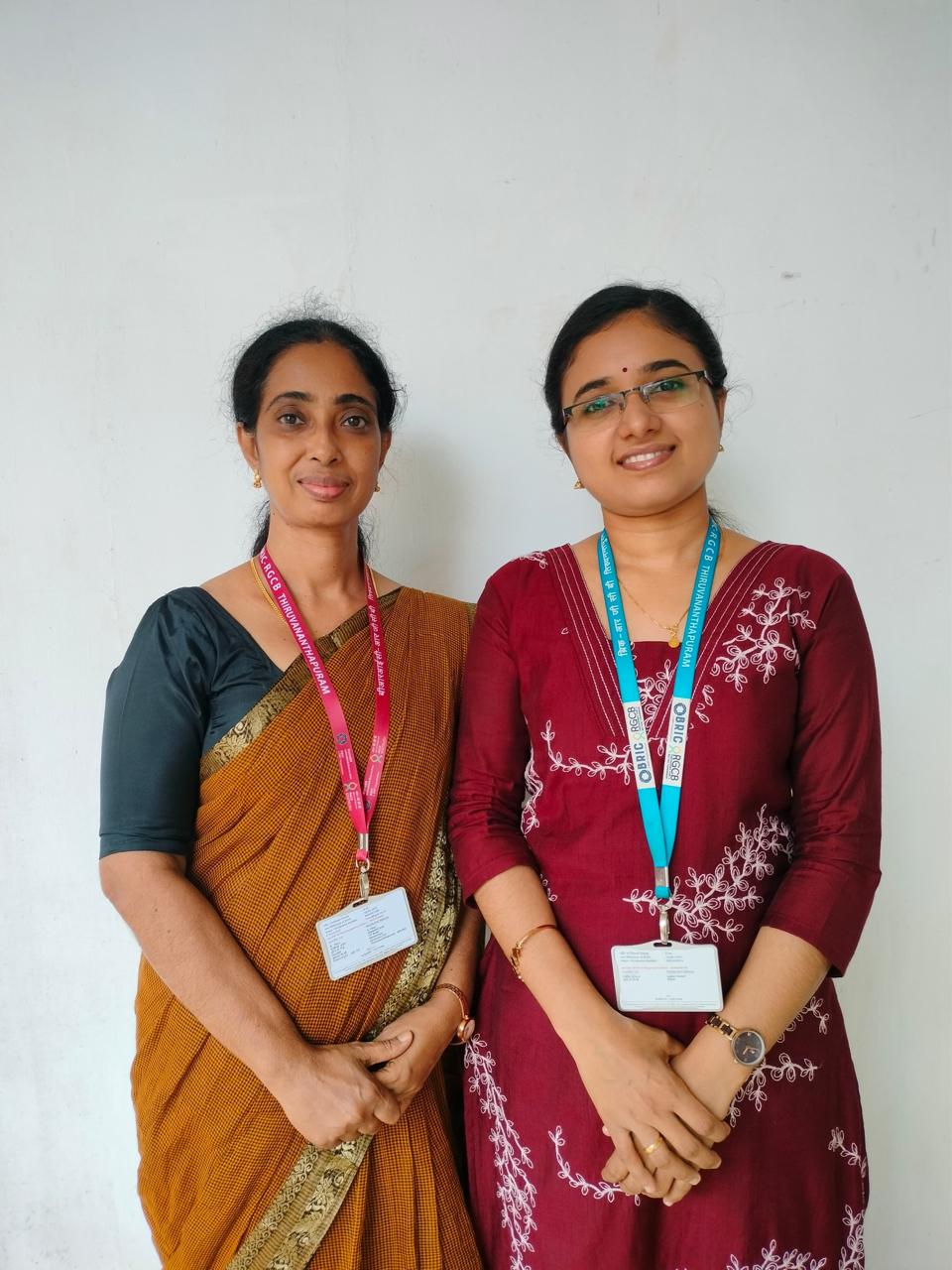
Thiruvananthapuram, August 03: Researchers at the BRIC-Rajiv Gandhi Centre for Biotechnology (RGCB) in Kerala are developing drugs to prevent dormant cancer cells from reactivating and becoming aggressive.
One harsh reality of cancer is its potential to return after successful treatment, often in a more aggressive form.
While many cancer cells die after treatment, some can enter a dormant state and later awaken as cancer stem cells (CSCs), which increases the risk of recurrence.
Dr Beena Pillai, director of BRIC-RGCB, noted, “The unusual interaction between EPHA2 and Ephrin-B1 may disrupt cellular balance, creating opportunities for new treatments that target this interaction.”
“We are currently designing drugs to prevent this unusual protein interaction. By blocking this communication, we aim to stop dormant cancer cells from reawakening and becoming dangerous again,” she added.
The research, led by Dr Tessy Thomas Maliekal, has been published in the peer-reviewed journal Cell Communication and Signaling.
Their study reveals a novel reverse-signalling mechanism in the Eph-Ephrin pathway, identifying Ephrin-B1 as an oncogenic ligand in CSCs.
This mechanism is distinct from normal stem cell signalling and may serve as a therapeutic target for preventing oral cancer recurrence.
Their research, primarily focused on oral cancer, found that similar mechanisms may also be present in other cancer types and in normal stem cell systems.
“Our laboratory investigates what causes dormant cancer cells to reprogram and begin dividing again. We explore the signals they receive and whether we can block this process,” Dr Thomas explained.
“The activation may be driven by the cell's intrinsic properties or by external signals from the environment.
Dormant cancer cells are influenced by their microenvironment, which includes surrounding cells and chemical signals.”
We found that an unusual interaction of EPHA2 and Ephrin-B1, which explicitly occurs in the reactivating cancer cell is the reason for the recurrence of oral cancer.
From a treatment perspective, this discovery is crucial because CSCs are often responsible for tumour relapse and therapeutic resistance.
Ends
Photo Gallery
Content
Latest PRESS RELEASES
-
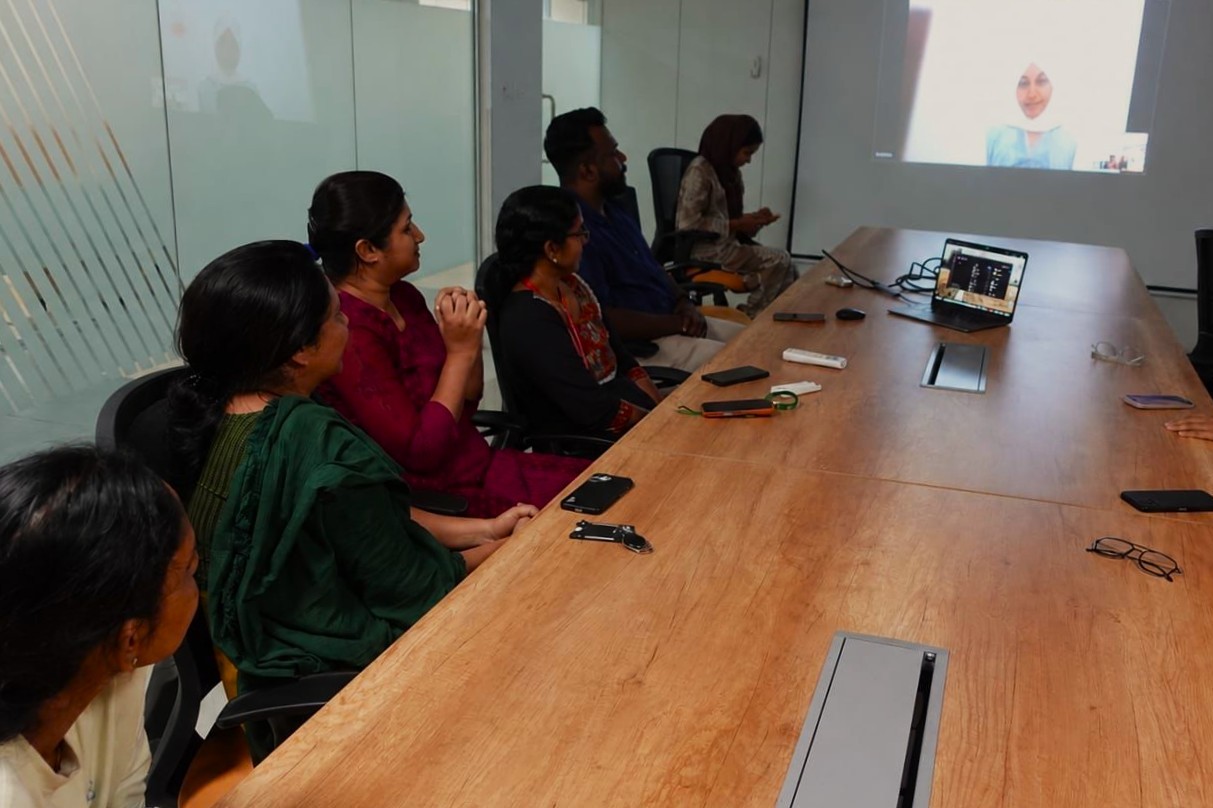
International Cyber Women’s Day seminar held at Government Cyberpark
September 1, 2026
-
ഗവ. സൈബര്പാര്ക്കില് അന്താരാഷ്ട്ര സൈബർ വനിതാ ദിന സെമിനാര്
September 1, 2026
-
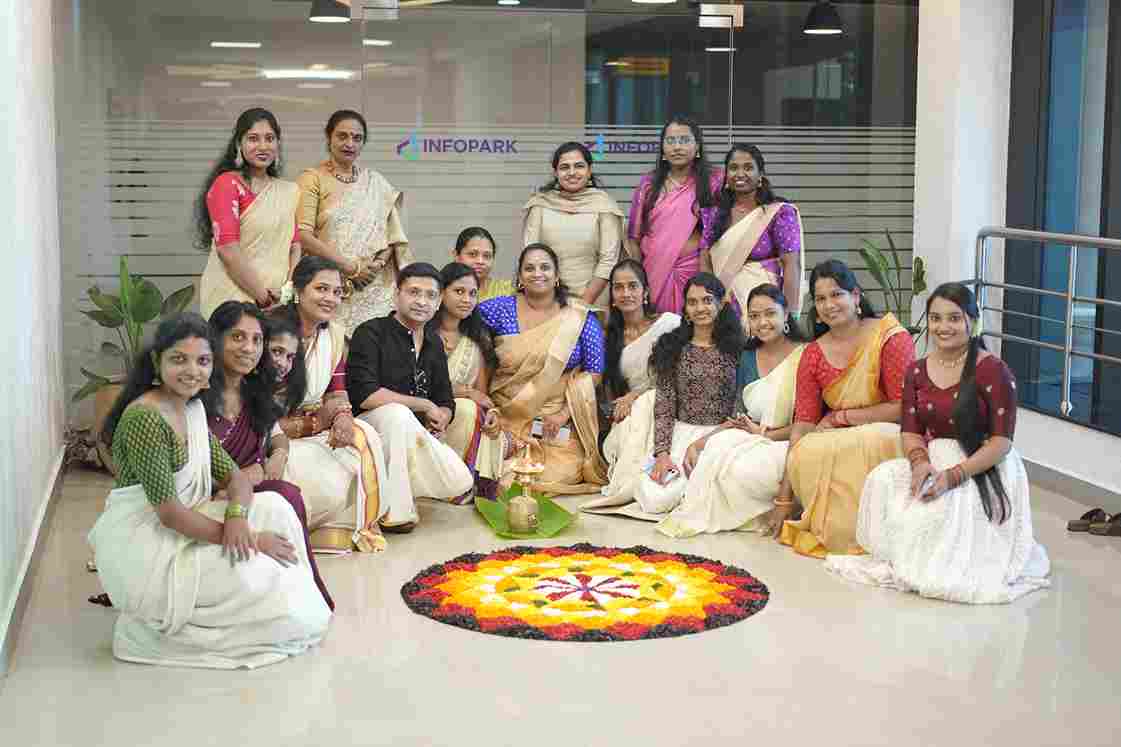
Infopark Cherthala hosts ‘Inforhythm 2026’
September 1, 2026