Patients with Type 2 diabetes are at higher risk of developing severe complications from dengue virus, says a new study
Trivandrum / July 19, 2026
Thiruvananthapuram, July 19: Individuals with Type 2 diabetes are at a significantly higher risk of developing severe and potentially life-threatening complications from the dengue virus, reveals a ground-breaking review paper by leading diabetes specialists.
The research paper, scheduled for upcoming publication in the prestigious International Journal of Diabetes & Technology (IJDT), also strongly pitches for integrating dengue vaccination in routine diabetes treatment regimen to better protect vulnerable populations from this seasonal threat.
Headed by lead author Dr Jothydev Kesavadev, the paper has been co-authored by a group of India's top diabetes pioneers, including Dr Banshi Saboo, Dr Shashank R. Joshi, Dr Anuj Maheshwari, Dr Sanjay Kalra, Dr Anoop Misra, Dr Amit Gupta, Dr Rakesh Parikh, Dr Manoj Chawla, Dr Sunil Gupta, Dr Anjana Ranjit Mohan and Dr Sanjay Agarwal alongside international public health leader and President-Elect of the International Diabetes Federation (IDF) Europe Dr Niti Pall.
The paper was recently presented at the 14th JPEF (Jothydev’s Professional Education Forum) Annual Global Diabetes Convention at Uday Samudra, Kovalam. The publication in IJDT was released by Kerala Health Minister Shri K Muraleedharan.
The clinical panel warns that chronic high blood sugar impairs immune function by progressively damaging blood vessels, making people with diabetes more vulnerable to severe dengue infection.
According to the authors, persistently high blood sugar impairs immune function and damages blood vessels. Once infected, these patients are more likely to develop an exaggerated inflammatory response, commonly known as a cytokine storm, which can lead to internal bleeding through Dengue Haemorrhagic Fever (DHF) and even a life-threatening collapse in blood pressure known as Dengue Shock Syndrome (DSS).
The review highlights the need to bridge what the authors describe as a gap in current clinical practice by incorporating modern dengue vaccination into routine, everyday diabetes management.
The paper specifically mentions the potential role of TAK-003 vaccine (marketed globally as Qdenga), developed by Takeda, which can be a game-changer for public health. Citing data from rigorous, multi-year clinical studies, the authors note that TAK-003 has demonstrated a substantial reduction in dengue-related hospitalizations by 84 per cent to 90 per cent while providing robust protection against severe disease progression.
Crucially, Takeda's vaccine is highly effective against all four major serotypes of the dengue virus. Unlike older vaccine models, this advanced platform works effectively regardless of whether a patient had dengue before, completely eliminating the complicated multi-step screening process, massive expenses, and frustrating testing delays of a prior blood test.
Currently, this breakthrough vaccine is authorized in 42 countries and will be launched in India by early next year.
"People with diabetes represent one of the most vulnerable groups during dengue outbreaks. Integrating dengue vaccination into routine diabetes care has the potential to reduce severe illness and hospitalisation in dengue endemic regions. Further clinical research will help optimise vaccination strategies for this high-risk population," said Dr Kesavadev.
“This roadmap promises a transformative future where a simple, stress-free shot administered during a routine diabetes check-up can shield millions of individuals living with diabetes worldwide, from a deadly seasonal threat, fundamentally redefining health defence,” he added. The authors contend that integrating infectious disease prevention with chronic disease management could strengthen healthcare delivery and improve outcomes for millions of people living with diabetes in regions where dengue remains a major public health challenge.
Ends
Photo Gallery
Latest PRESS RELEASES
-
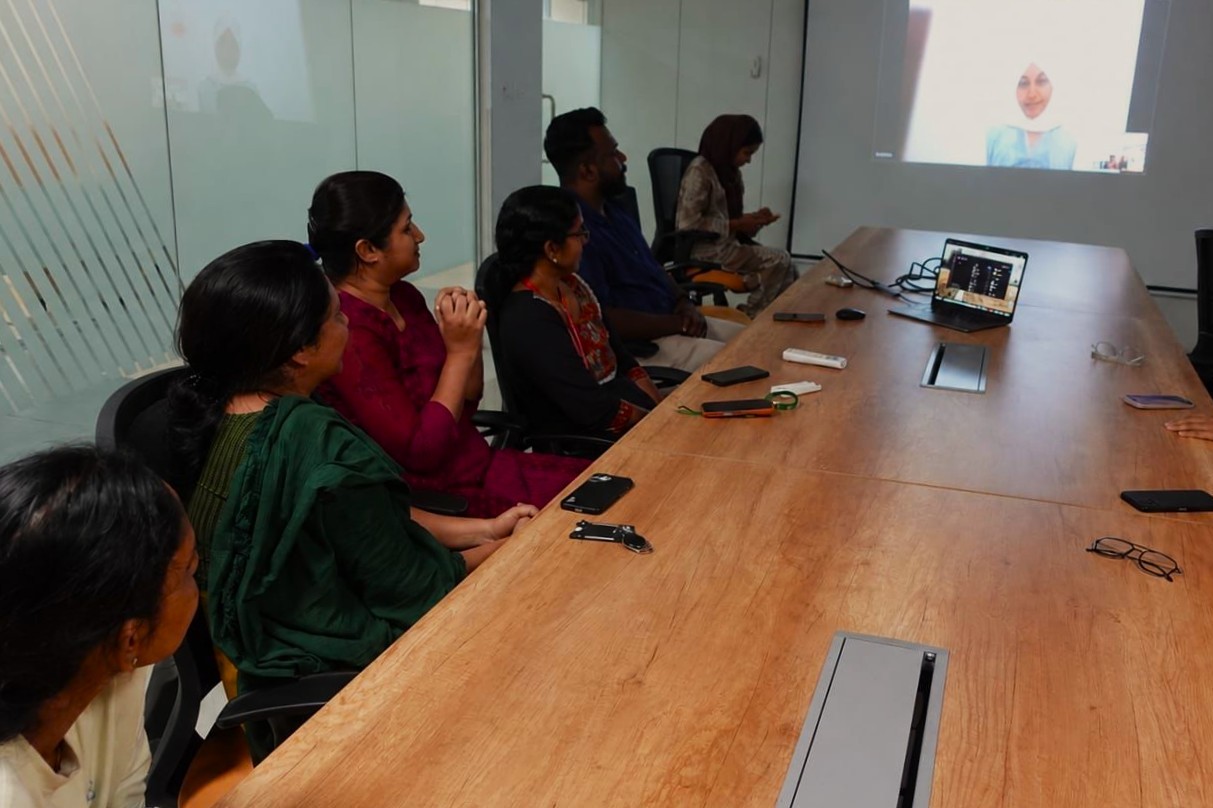
International Cyber Women’s Day seminar held at Government Cyberpark
September 1, 2026
-
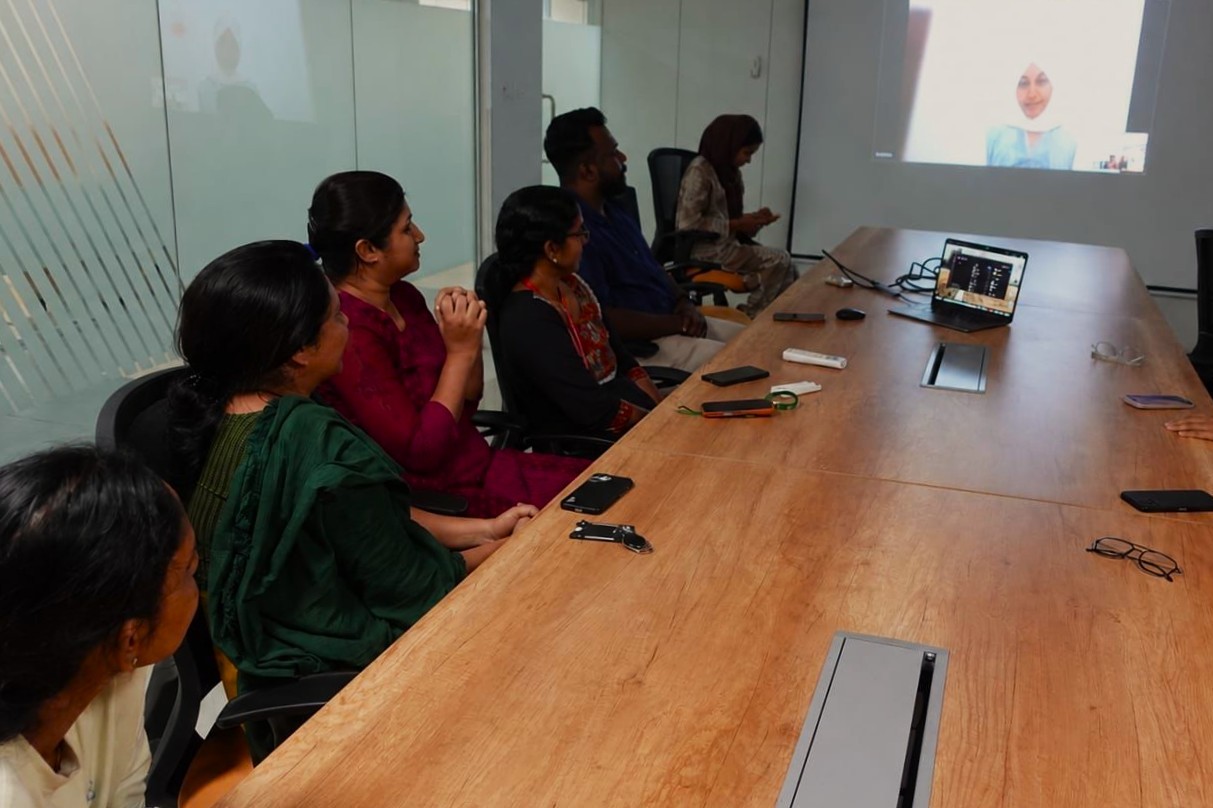
ഗവ. സൈബര്പാര്ക്കില് അന്താരാഷ്ട്ര സൈബർ വനിതാ ദിന സെമിനാര്
September 1, 2026
-
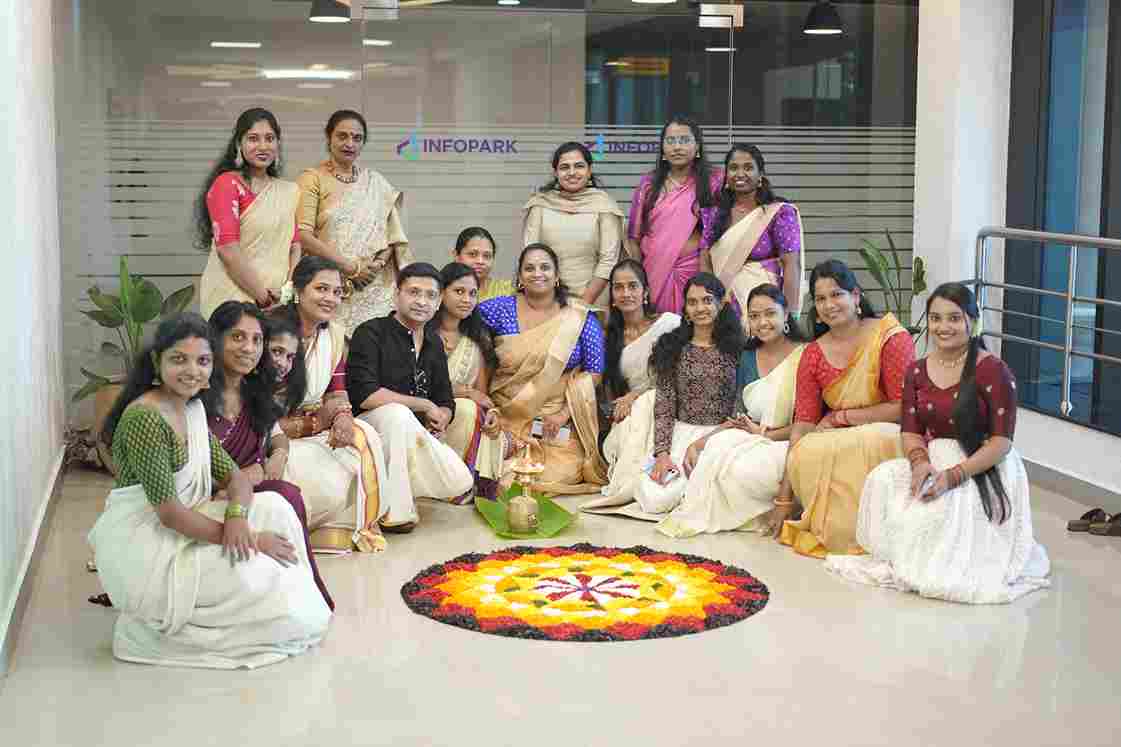
Infopark Cherthala hosts ‘Inforhythm 2026’
September 1, 2026