Diabetes is one’s cells’ ability to make energy, says global diabetes body Co-Chair
14th edition of Global Diabetes Convention begins at Kovalam
Trivandrum / July 9, 2026
Thiruvananthapuram, July 09: Diabetes is not just about sugar; it is about one’s cells’ ability to produce energy, said a foreign expert at the 14th edition of the Annual Global Diabetes Convention, which got underway at Kovalam here today.
“We have treated glucose for 50 years, yet complications persist. Cardiovascular deaths remain the number one killer in Type 2 Diabetes Mellitus (T2DM), a chronic metabolic condition where the body either resists insulin or doesn’t make enough of it, despite good HbA1c control,” said Dr Hossam Arafa Ghazi, MENA Co-Chair of the Diabetes Technology Committee at the International Diabetes Federation (IDF).
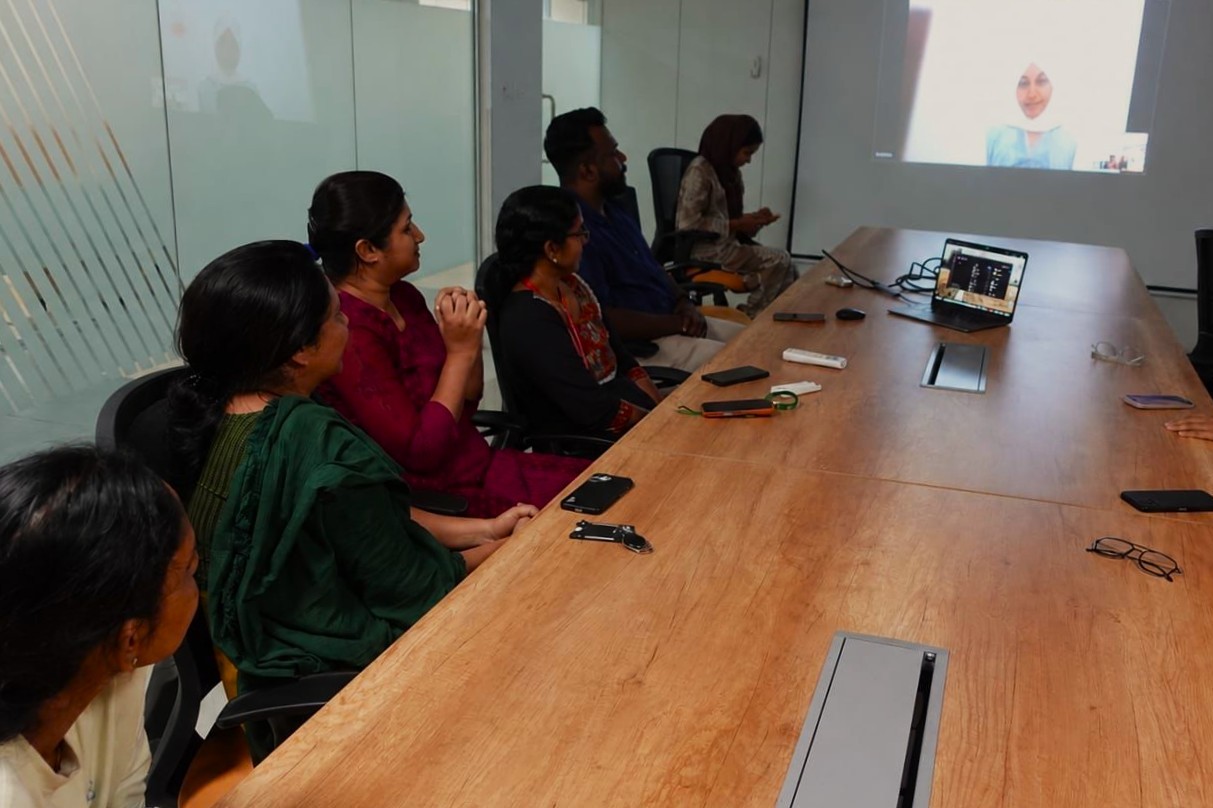
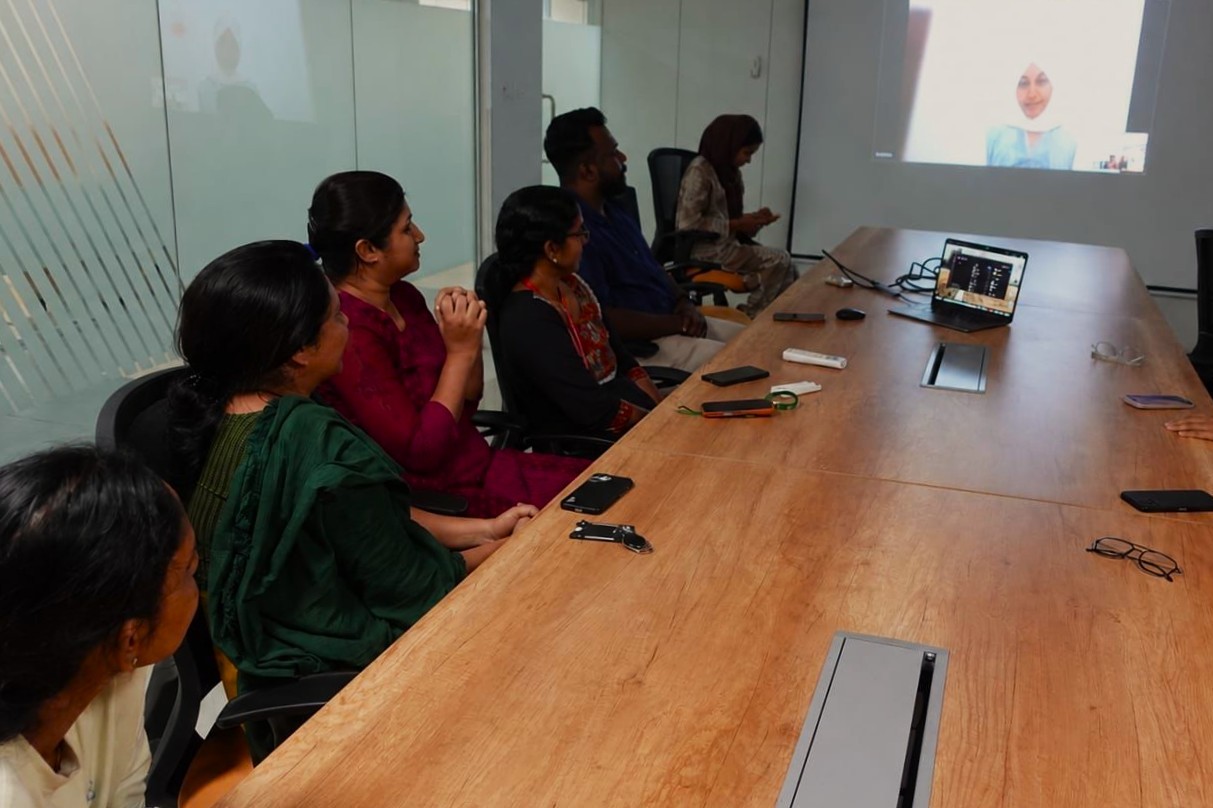
Dr Ghazi was speaking online at a session on ‘The Forgotten Organelle in Type 2 Diabetes,’ held on the sidelines of the three-day event at Uday Samudra, Kovalam.
The conference is being organised under the leadership of Dr Jothydev Kesavadev, Organising Secretary of JPEF and Chairman and Managing Director of Jothydev's Diabetes Research Centre, along with Dr Arun Shankar, Organising Chairman; Sunitha Jothydev, Conference Director; Hariprasad, Convener; and Anjana Basanth, Scientific Coordinator.
"Helping You Choose the Best in Care" is the focal theme of the convention, organised by Jothydev's Professional Education Forum (JPEF).
The expert said new drug classes —Sodium-Glucose Cotransporter 2 Inhibitors (SGLT2i) and GLP-1RAs (Glucagon-Like Peptide-1 Receptor Agonists)—protect organs beyond glucose lowering.
“Type 2 diabetes is a bioenergetics disease, and we should concentrate on mitochondrial metabolism that generates the energy-carrying molecule Adenosine Triphosphate (ATP), which controls blood sugar in the body. Mitochondria are essential for generating energy that fuels cells and helps them function,” Dr Ghazi explained.
He said exercise is the most important, powerful medication to rebuild the energy factory in the mitochondria. The goal is not just to lower one’s HbA1c but to restore one’s cellular vitality.
Dr Ghazi, who is also an Associate Professor of Internal Medicine at Mansoura University, Egypt, said mitochondrial failure leads to dysfunction of muscle, liver, beta-cells, and endothelium. Drugs like metformin, pioglitazone, and GLP-1RAs boost mitochondrial function, helping cells work better.
Speaking about emerging therapies, he pointed out that imeglimin is the only drug with simultaneous hepatic and beta cell mitochondrial protection. Imeglimin directly targets mitochondrial dysfunction and addresses reductive stress at its source.
According to him, imeglimin is a fundamentally new approach as it restores ATP rise in response to glucose.
“It reduces mitochondrial Reactive Oxygen Species (ROS) in both beta cells and vascular tissue. It represents the first drug designed explicitly around the bioenergetics paradigm,” he said.
“Imeglimin is not a glucose-lowering drug that happens to affect mitochondria. It is a mitochondrial drug that happens to lower glucose,” he added.
The convention brings together leading diabetes specialists, physicians, researchers, nutritionists, diabetes educators and healthcare professionals.
Health Minister Shri K Muraleedharan will deliver the inaugural address at the convention on July 11 at 4 pm. The Minister will release the IJDT (International Journal of Diabetes and Technology)-JPEF Abstracts 2026 during the inaugural ceremony.
Recognised as one of India's leading academic forums dedicated to diabetes care, JPEF is designed to help clinicians navigate the rapidly evolving treatment landscape by integrating scientific evidence with real-world clinical practice.
Ends
Photo Gallery
Latest PRESS RELEASES
-
International Cyber Women’s Day seminar held at Government Cyberpark
September 1, 2026
-
ഗവ. സൈബര്പാര്ക്കില് അന്താരാഷ്ട്ര സൈബർ വനിതാ ദിന സെമിനാര്
September 1, 2026
-
Infopark Cherthala hosts ‘Inforhythm 2026’

September 1, 2026