AI-enabled diabetes eye care vital in rapid clinical decision-making at point of care, says expert
Trivandrum / July 12, 2026
Thiruvananthapuram, July 12: The integration of artificial intelligence (AI) technologies has enabled immediate clinical decision-making in the treatment of diabetic retinopathy at the point of care, extending beyond traditional clinical settings, according to eminent endocrinologist Dr Jothydev Kesavadev.
Noting that diabetic retinopathy is emerging as a major public health challenge in India, Dr Kesavadev said findings have shown that AI-assisted retinal imaging is a reliable tool for early detection of Age-Related Macular Degeneration (AMD) and timely referral.
The expert was speaking at a session on ‘Impact of AI in Diabetes Eye Care’ at the 14th edition of the three-day Annual Global Diabetes Convention held at Uday Samudra, Kovalam, here.
The July 10-12 conference is led by Dr Jothydev Kesavadev, who serves as the Organising Secretary of Jothydev's Professional Education Forum (JPEF) and is also the Chairman and Managing Director of Jothydev's Diabetes Research Centre. He is joined by Dr Arun Shankar, the Organising Chairman; Sunitha Jothydev, the Conference Director; Hariprasad, the Convener; and Anjana Basanth, the Scientific Coordinator.
The central theme of the convention, organised by the JPEF, is "Helping You Choose the Best in Care."
Dr Kesavadev, who is also a Fellow of the American Association of Clinical Endocrinology and DiabetesIndia, said a new era in diabetic retinopathy screening has dawned with the advent of portable AI-integrated technologies.
The Fundus on Phone (FOP), a handheld wide-field retinal imaging device integrated with AI, enables efficient screening and identification of patients who may require ophthalmic referral, supporting scalable retinal care. The FOP NM-10 is a smartphone-enabled, handheld non-mydriatic camera integrated with on-the-edge AI.
“Screening can now be performed anywhere, anytime, and by anyone, significantly improving accessibility beyond traditional clinical settings. Portable fundus cameras equipped with on-the-edge AI allow rapid image capture and analysis, generating a referral report within approximately 10 seconds,” he explained.
The device can screen for multiple conditions, such as diabetic retinopathy, glaucoma, and age-related macular degeneration, thereby broadening its functionality beyond detecting a single disease.
Dr Kesavadev said it combines high-quality imaging, portability, and integrated offline AI algorithms, ensuring that accurate screening can be performed even in remote or resource-limited settings.
Diabetes retinopathy is now among the leading causes of blindness in India, and one in five people with diabetes shows its signs.
“Using fundus images captured with the FOP NM-10 and compared against Optical Coherence Tomography (OCT) -based assessment, the algorithm achieved high sensitivity and specificity for detecting referable AMD. The platform remains the only Central Drugs Standard Control Organisation (CDSCO)-approved AI solution for AMD screening in India,” the expert said.
Another AI platform, Medios Glaucoma AI, has shown high sensitivity and specificity vis-a-vis the standard of care for glaucoma detection. It enables accurate identification of referable glaucoma, and validation across both tertiary hospitals and large-scale screening settings has shown consistent performance.
Medios AI has undergone extensive global validation across diverse populations and clinical settings. It has received regulatory approval for diabetic retinopathy screening in the European Union and from Singapore's Health Sciences Authority. In India, Medios AI is the first and only AI-based DR screening system approved by the CDSCO.
Ends
Photo Gallery
Latest PRESS RELEASES
-
International Cyber Women’s Day seminar held at Government Cyberpark
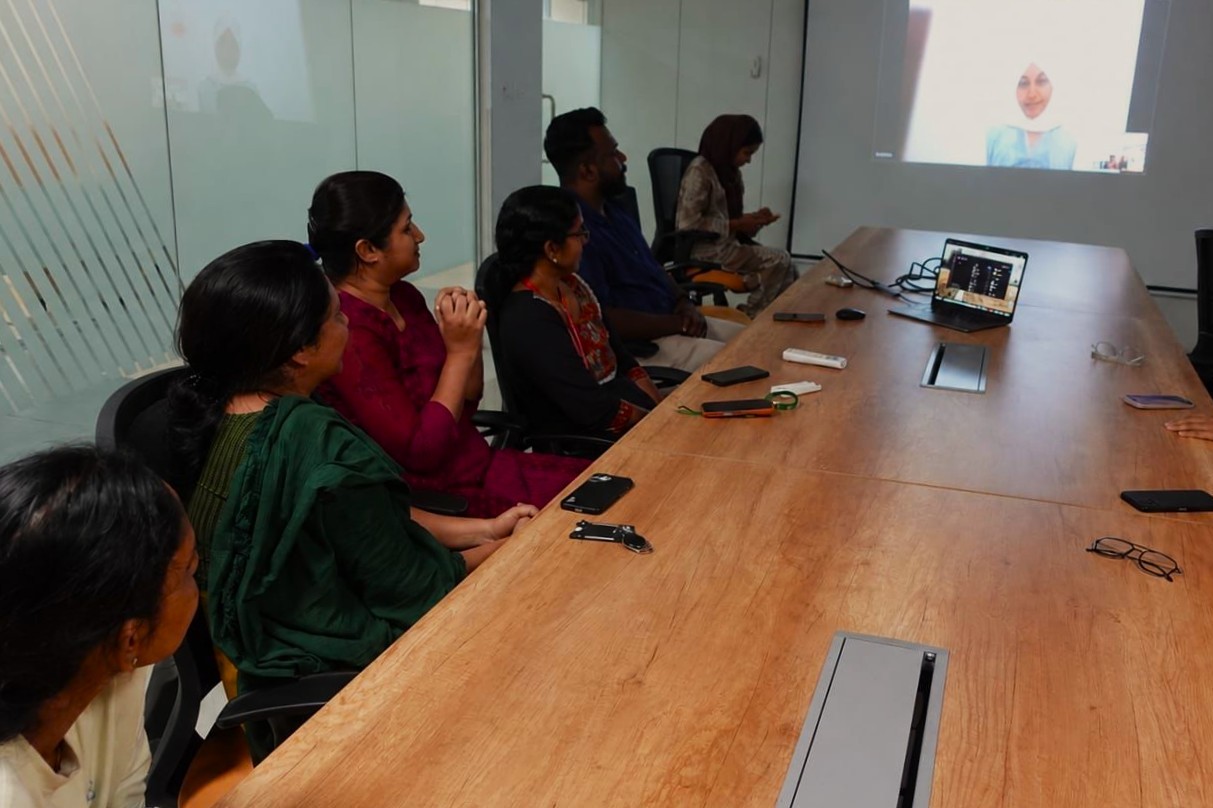
September 1, 2026
-
ഗവ. സൈബര്പാര്ക്കില് അന്താരാഷ്ട്ര സൈബർ വനിതാ ദിന സെമിനാര്
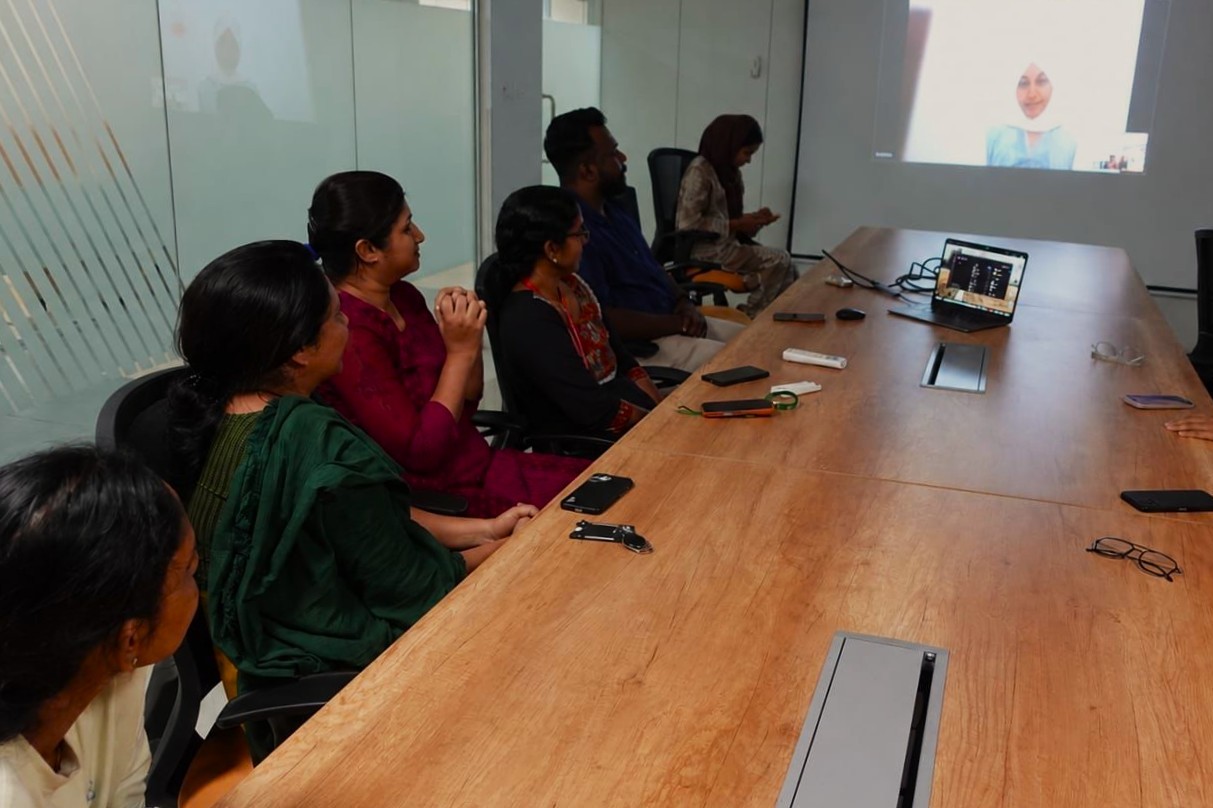
September 1, 2026
-
Infopark Cherthala hosts ‘Inforhythm 2026’
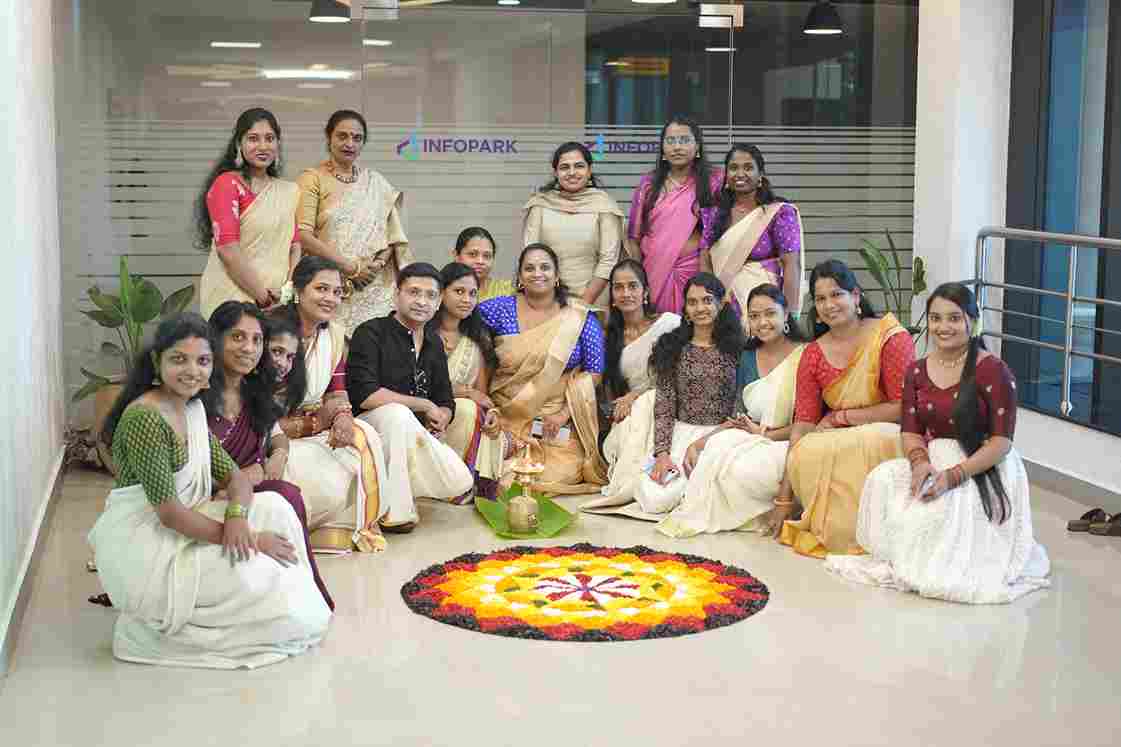
September 1, 2026