Niroj Satpathy presents a thought-provoking installation from waste materials at the Kochi Biennale
Kochi / March 26, 2026
Kochi, Mar 26: Niroj Satpathy, a young artist who worked for nearly five years as a night supervisor in Delhi’s municipal waste management department, brings to life the hidden world of waste mountains that awaken when the city sleeps. These experiences form the basis of his installation at the sixth edition of the Kochi-Muziris Biennale (KMB).
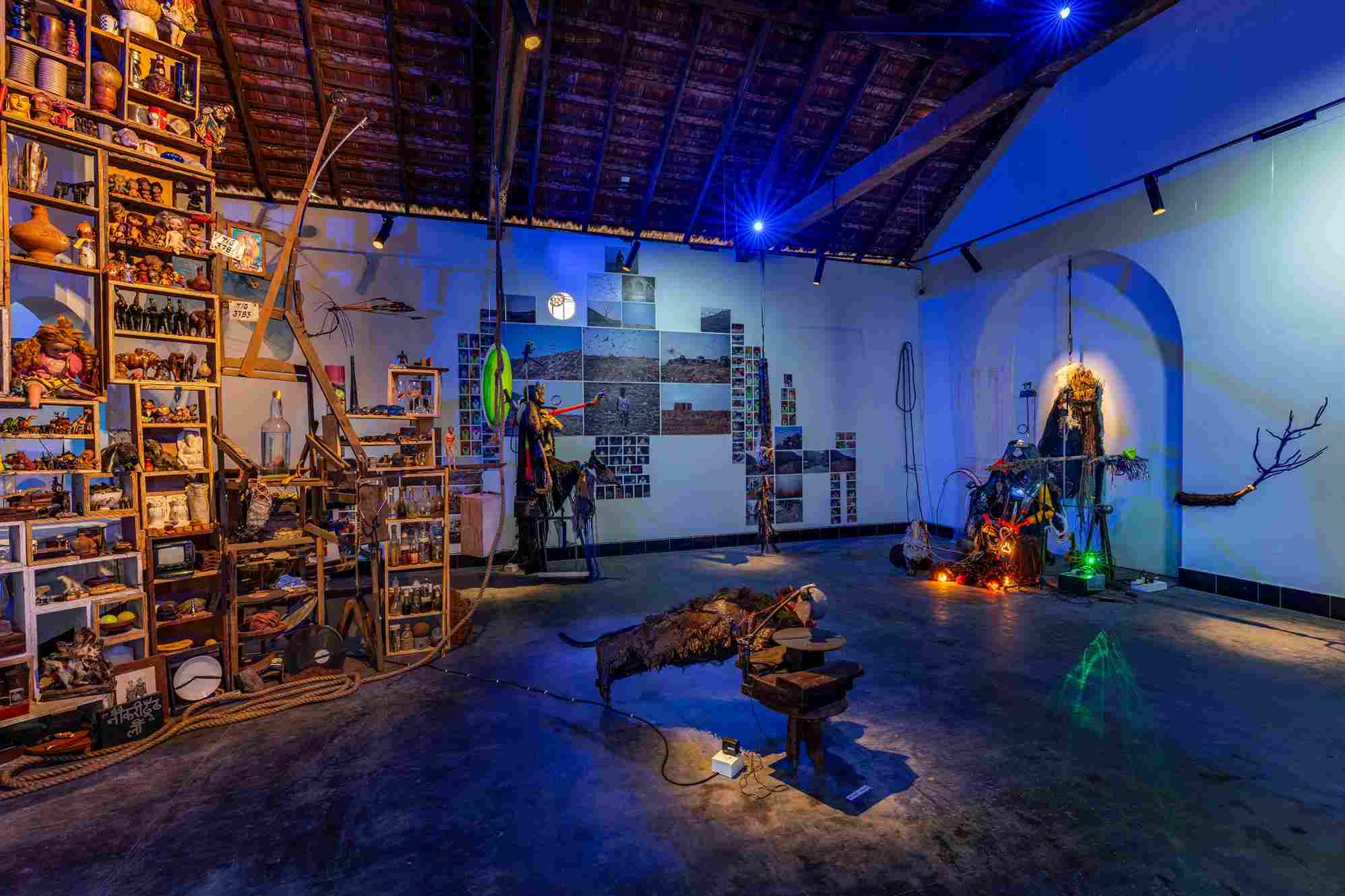
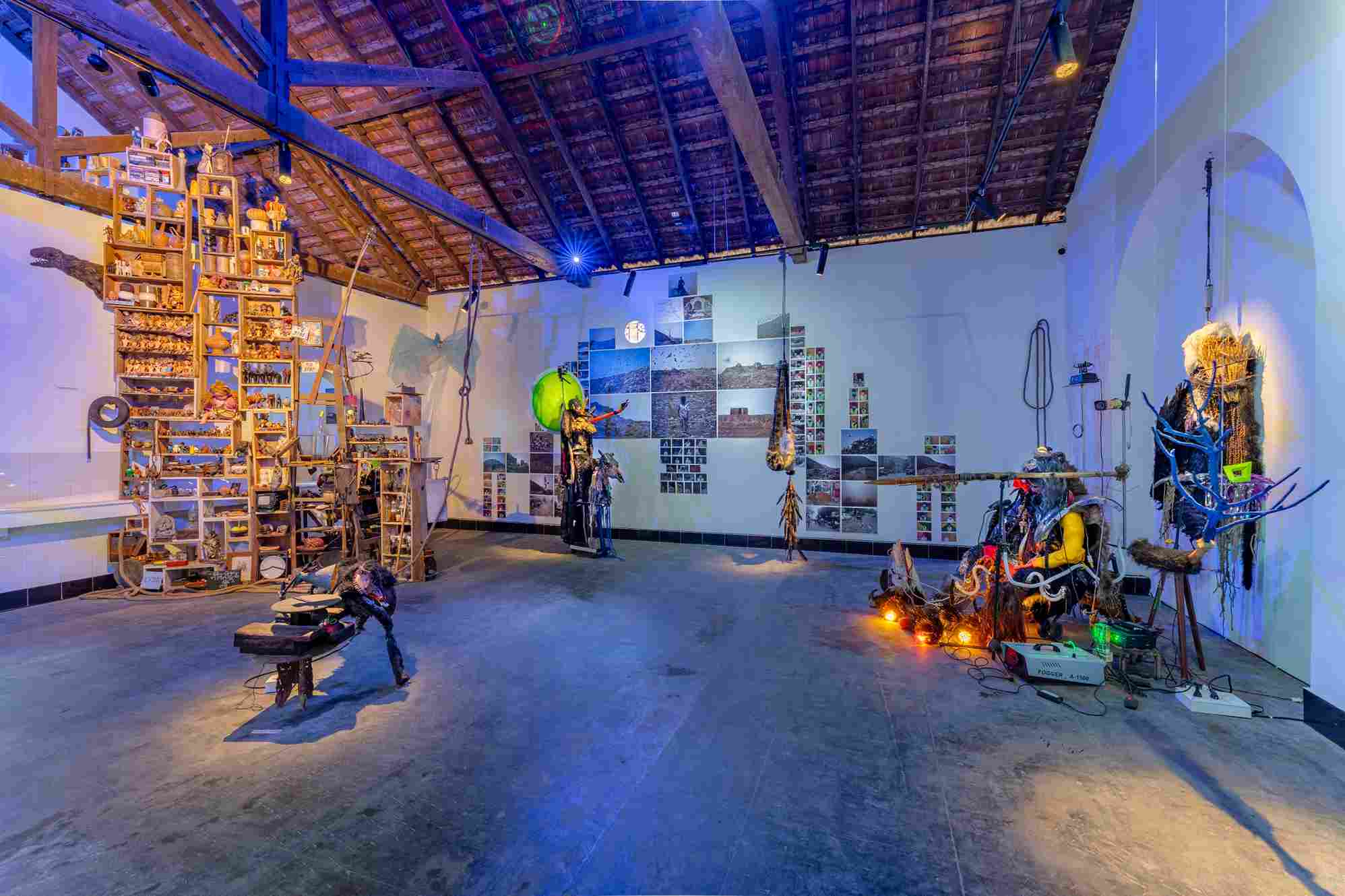
Titled “Dhalan”, Satpathy’s installation, set up at S.M.S. Hall in Mattancherry, offers a striking and immersive experience. The work is created using materials sourced from Delhi’s landfill sites. Through this, the artist explores the politics and aesthetics of discarded objects—items that have been used and thrown away—but in his hands, these are imbued with transformative, ephemeral and expressive qualities.
The installation aligns with the Biennale’s theme, “For the Time Being,” curated by Nikhil Chopra and HH Art Spaces, and brings to light the invisible imprints of the city.
Satpathy, who hails from Odisha and is now based in Delhi, explains that he does not work with waste, but within it. He does not select materials; rather, he allows discarded objects to find their way to him. What fascinates him is not just the objects themselves, but their abandoned state and their journey between value and neglect. His work listens for traces of former identities within objects that have undergone transformation.
In the silence of the night, amid the movements of waste, the city reveals another face—an informal, undocumented one. Collecting objects became a process rooted in deep reflection.
What he gathered were not merely materials, but markers of labour, memory, and disappearance. It is through engaging with these traces that his artistic practice took shape, he notes.
“We exist in a prolonged present shaped by waste,” Satpathy says. “This installation holds objects in such a state of uncertainty—where they have neither a past nor a future, but exist only as remnants.”
By giving new meaning to objects cast aside by the rush of urban life, the exhibition offers Biennale visitors a distinct perspective.
“Dhalan” presents a serious inquiry into the uncertainties and fleeting nature of contemporary life. Like a historical document, the installation interweaves the history of waste with huma existence, and has already become one of the most talked-about works at the Biennale.
The sixth edition of the Kochi-Muziris Biennale will conclude on March 31.
ENDS


Latest PRESS RELEASES
-
International Cyber Women’s Day seminar held at Government Cyberpark
September 1, 2026
-
ഗവ. സൈബര്പാര്ക്കില് അന്താരാഷ്ട്ര സൈബർ വനിതാ ദിന സെമിനാര്
September 1, 2026
-
Infopark Cherthala hosts ‘Inforhythm 2026’
September 1, 2026