KMB-2025: Tate Director Maria Balshaw describes Biennale as deeply rooted in its place
Kochi / March 3, 2026
Kochi, Mar 3: Maria Balshaw, the first female Director of London-based Tate art museums and galleries, who is visiting the Kochi-Muziris Biennale for the fourth time, said the newest edition of the art event is deeply rooted in its place while resonating with a profound internationalism.
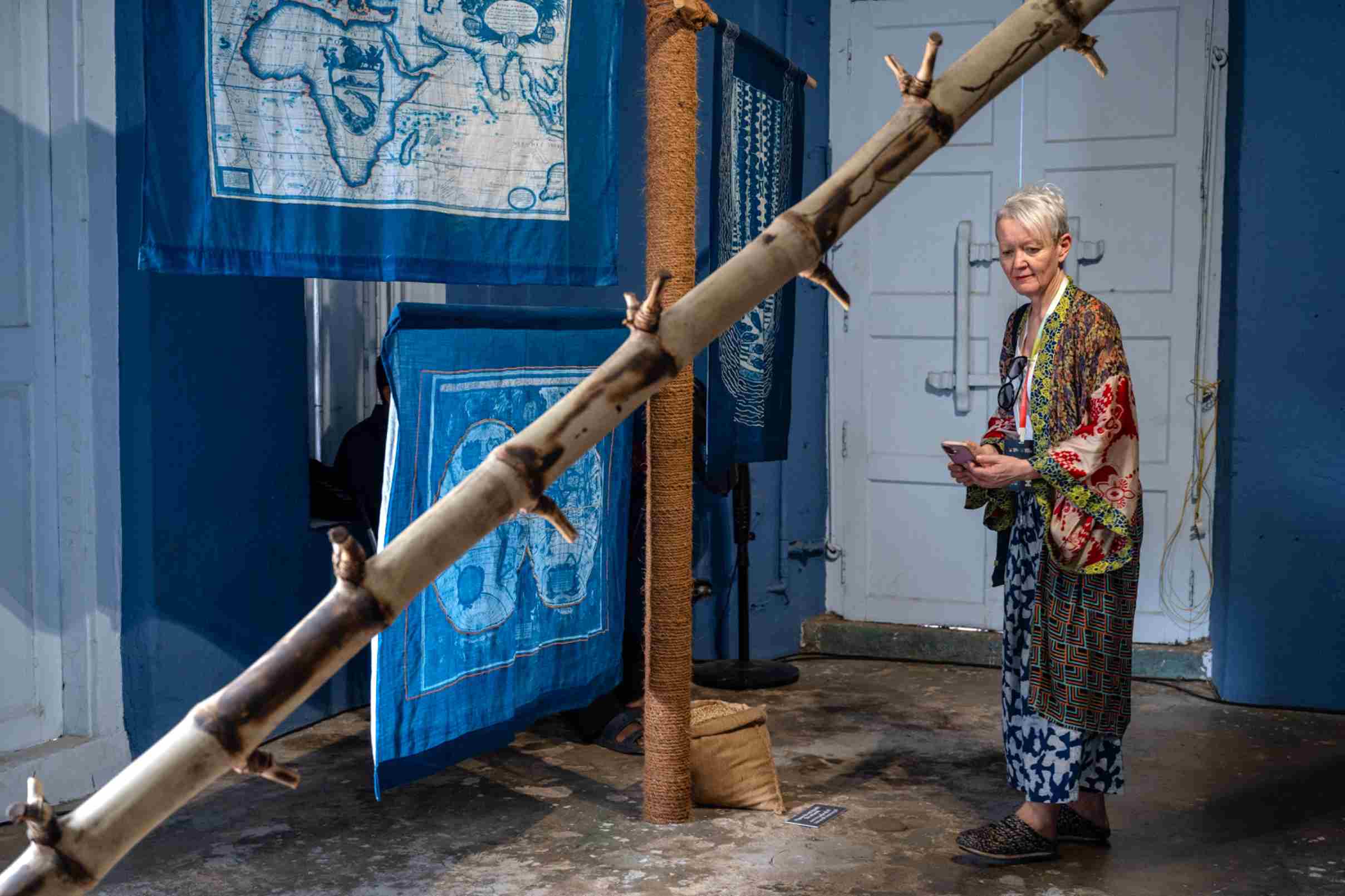
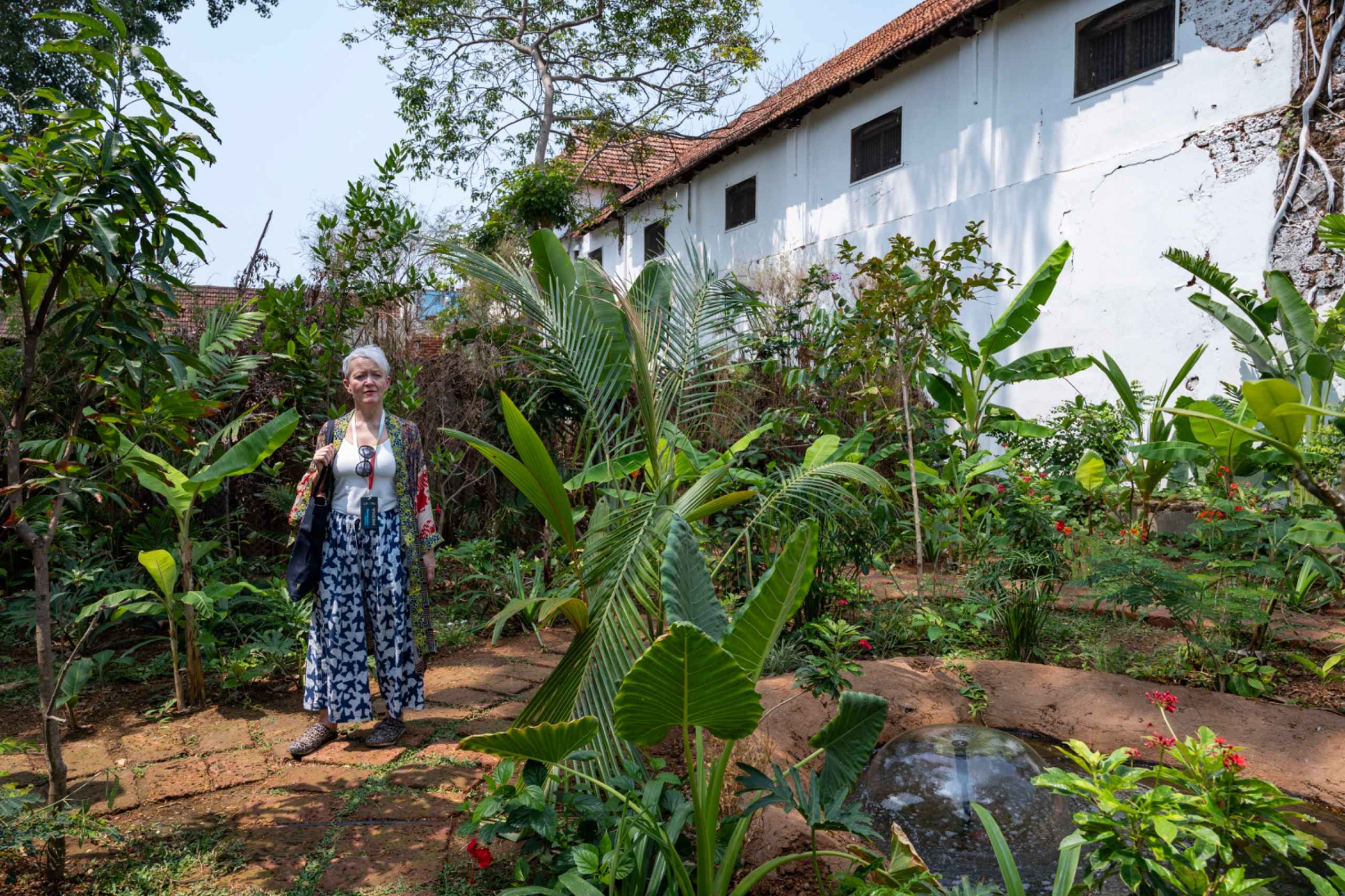
Balshaw said she was excited to return and had spent “a fantastic couple of days” exploring the Biennale. She noted that this edition is “particularly rooted in this environment, in the history of this place,” adding that it feels grounded in the soil of Fort Kochi and its wider surroundings.
At the same time, she observed that from this strong sense of locality emerges a “profound internationalism.”
The participating artists explore transnational connections and reflect on how the world can be imagined today, including “a particular kind of exploration of the possibilities of the universe,” she noted.
Balshaw said she was happy to discover new artists while also encountering familiar names such as Ibrahim Mahama, with whom she has previously worked in Manchester. She recalled his exploration of Parliament of Ghosts in a city with historical connections to Mumbai, which Nikhil Chopra, the curator of the sixth edition of the KMB, has engaged with in his work.
She also mentioned artists Otobong Nkanga and Bani Abidi, noting that their practices reflect both the immediacy of place and a vision for the future.
Balshaw also pointed to Basha Chakrabarti’s quilt project created in collaboration with the women of Gee’s Bend, describing it as “extraordinary.” She said this practice is now recognized as art “in the truest sense” as well as a form of community building and healing. The suspended textiles and immersive sound of women’s voices, she noted, brought together much of what she believes Chopra hoped to achieve in this Biennale.
She also admired painter Matthew Krishanu, whose works are now part of Tate’s collection. She noted that the paintings on view in Kochi reflect a new dimension of his practice, connecting both to the Biennale context and his life in London.
Calling it “a Biennale for all the people,” Balshaw said she planned to continue exploring and spend more time at the People’s Café. She congratulated everyone involved in making the Biennale possible, describing it as an event “for the people” and “for the world.”
ENDS
Latest PRESS RELEASES
-
International Cyber Women’s Day seminar held at Government Cyberpark
September 1, 2026
-
ഗവ. സൈബര്പാര്ക്കില് അന്താരാഷ്ട്ര സൈബർ വനിതാ ദിന സെമിനാര്
September 1, 2026
-
Infopark Cherthala hosts ‘Inforhythm 2026’
September 1, 2026