Endosulfan tragedy in focus at Kochi-Muziris Biennale
Kochi / March 5, 2026
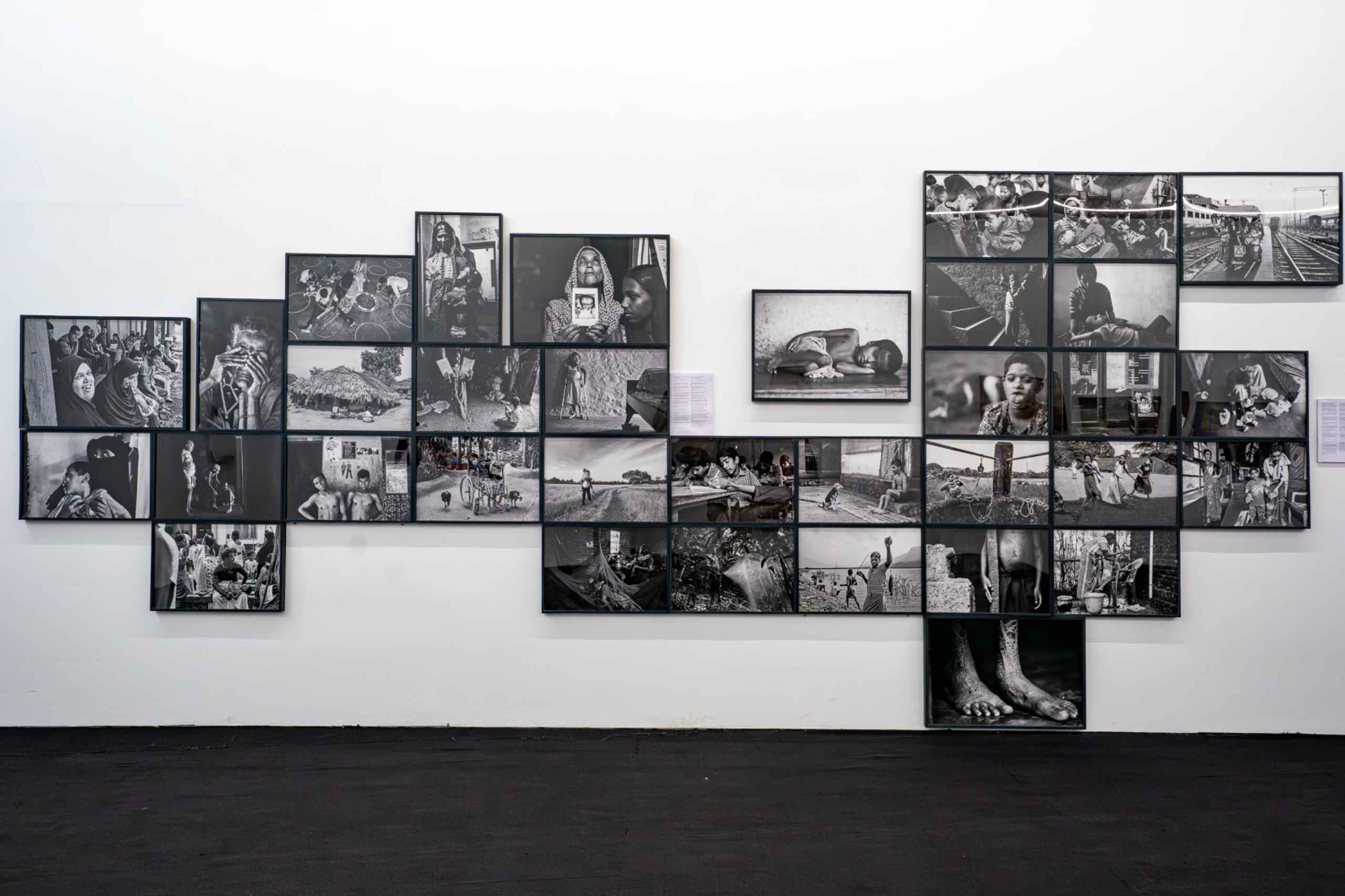
Kochi, Mar 05: A powerful photo exhibition documenting the devastating impact of endosulfan on people’s lives in Kerala is drawing significant attention at the Garden Convention Centre in Mattanchery ('Edam' exhibition) as part of the ongoing Kochi-Muziris Biennale. The exhibition presents a haunting visual narrative of the prolonged struggle of affected families in Kasaragod and the decade-long movement that ultimately led to the global ban on the pesticide.
Featuring photographs by senior photojournalist Madhuraj, the exhibition lays bare the profound and often unspeakable human cost of endosulfan exposure: children born with severe deformities, families pushed to emotional and financial breaking points including suicides, lifelong disabilities, and entire communities fighting relentlessly for justice and rehabilitation.
The images, many taken over a span of ten years, played a significant role in drawing national and international attention to the horrible effects of the endosulfan.
Looking at the photographs that depict the horrendous impact of the endosulfan pesticide on people’s lives, one feels that calling it merely a “tragedy” is, in fact, a reductive way of describing it, and an affront to the victims and their families.
Reflecting on five decades since the pesticide’s introduction, Madhuraj notes that while the first twenty-five years were marked by denial and misinformation, the subsequent decades witnessed the gradual unveiling of its catastrophic effects through the persistent efforts of the media, scientists, NGOs, and people’s movements.
“The public has truly come to understand the impact of endosulfan,” he observes. “What remains baffling is that sections of the bureaucracy and the ruling class still do not seem fully convinced about the grave harm it caused.”
He points out that at one stage, the government and sections of the bureaucracy were comfortable allowing its continued use, and only relented in the face of sustained mass protests and legal battles. According to him, whenever political resolve weakened, bureaucratic resistance appeared to harden, often taking a pro-endosulfan stance, a dynamic that prolonged the suffering of victims. “Many issues affecting the public can be addressed only through collective public agitation and sustained civic action,” he says.
First documented in 2001, the photo series emerged from ground reporting in the worst-affected villages of Kasaragod district. The photographs went on to energise public campaigns, legal interventions, and policy debates surrounding the pesticide’s use. Several of the images were later cited in proceedings before the Supreme Court during deliberations on the continued use of endosulfan.
The exhibition also revisits the grassroots photo campaign titled “Poison-Free Land”, which travelled across Kerala and was displayed at more than 400 centres, helping mobilise public opinion at the peak of the agitation. The sustained public movement eventually culminated in the 2011 international ban on endosulfan under the Stockholm Convention, where it was classified as a Persistent Organic Pollutant (POP).
At Edam, the photographs in monochrome are presented not merely as documentation, but as testimony to resilience and resistance. Madhuraj describes the Biennale as a powerful platform to showcase, through installations and visual media, the many issues faced by communities across the world. With its wide reach and diverse audience, he believes it offers an effective space for environmental justice conversations.
The Kochi-Muziris Biennale, he adds, attracts a high-quality international audience, including opinion makers and cultural leaders. Presenting these photographs in such a setting ensures meaningful exposure and engagement with an influential global community, connecting a local environmental disaster to wider global conversations on toxic legacies, state accountability, and human rights.
The exhibition will remain open to the public throughout the Biennale period.
ENDS

Latest PRESS RELEASES
-
International Cyber Women’s Day seminar held at Government Cyberpark
September 1, 2026
-
ഗവ. സൈബര്പാര്ക്കില് അന്താരാഷ്ട്ര സൈബർ വനിതാ ദിന സെമിനാര്
September 1, 2026
-
Infopark Cherthala hosts ‘Inforhythm 2026’
September 1, 2026