Actor Rima Kallingal at a special lecture at Biennale
Kochi / March 14, 2026
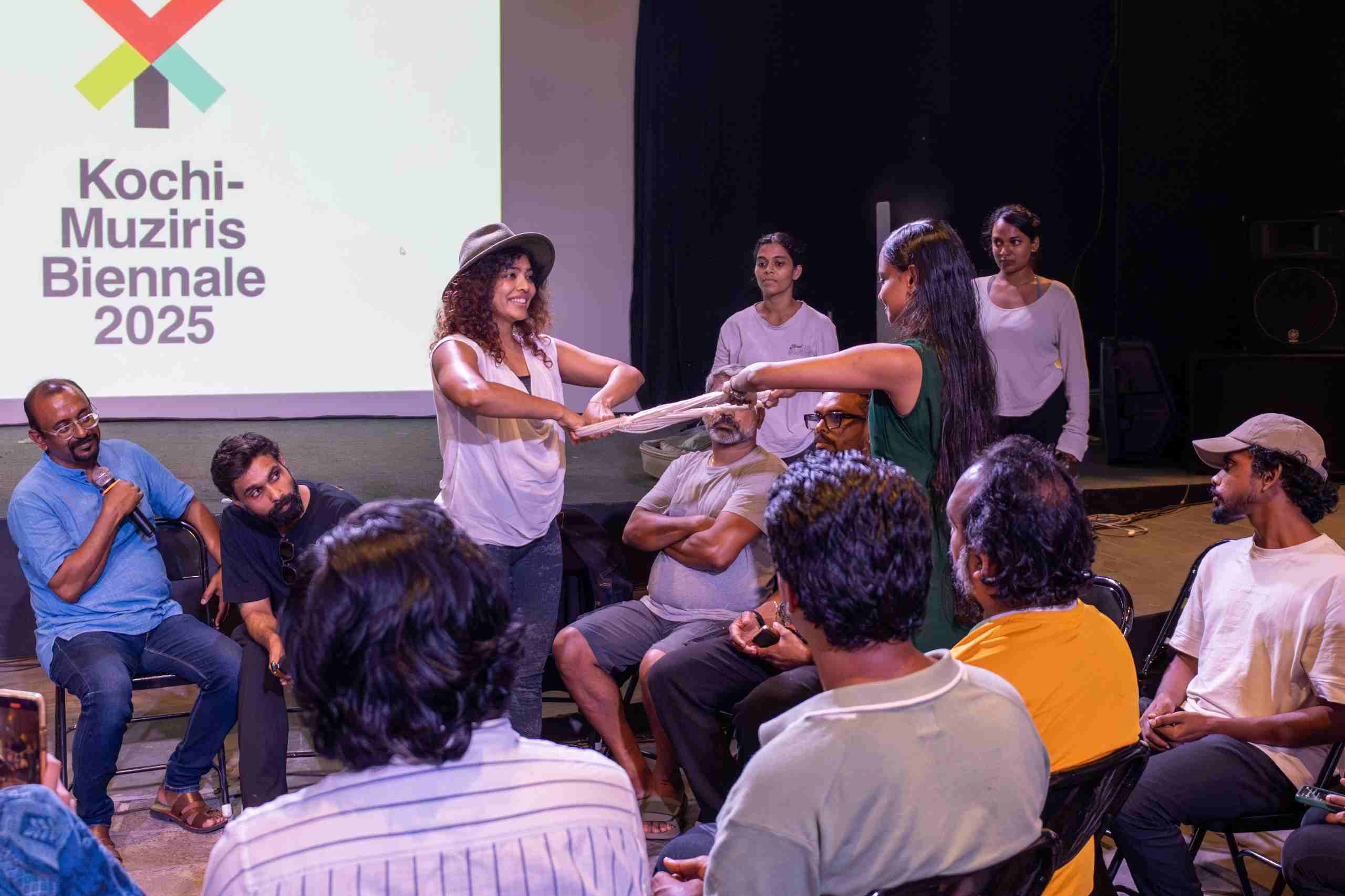
Kochi, Mar 14: A special lecture–demonstration titled “The Body as a Living Loom: Weaving Stories through Movement – The Making of Neythe” was conducted at the Pavilion, Bastion Bungalow as part of the Kochi-Muziris Biennale.
The session was facilitated by Rima Kallingal, who guided participants through the creative process behind “Neythe – Dance of the Weaves,” a visual performance project developed by the Mamangam Dance Company.
Kallingal offered insights into the conceptual and physical framework of Neythe, a work that brings together contemporary movement and textile heritage. The project draws inspiration from the Chendamangalam and its revival following the 2018 Kerala floods, a process supported by the social movement Save The Loom.
The session featured an interactive discussion with panelists Rima Kallingal, choreographer Ashwin Gibin George, and lighting designer Sreekanth Cameo. The discussion was moderated by Ramesh Menon, Lead Mentor of Save The Loom.
During the lecture–demonstration, Kallingal and her team presented excerpts from the performance and explained how the rhythms and repetitive patterns of weaving informed the choreography. The project was developed through a series of filmed movement sequences created within the weaving spaces and landscapes of Chendamangalam, reflecting the labour, rhythm, and resilience embedded in the craft.
Through the concept of the body as a “living loom,” the session explored how movement can mirror the act of weaving, transforming the meditative processes of handloom work into a contemporary performance language.
A dance performance titled “Neythe – Dance of the Weaves” by the Mamangam Dance Company, led by Rima Kallingal, was also staged at the Pavilion, Bastion Bungalow as part of the Kochi-Muziris Biennale.
Drawing inspiration from the organic movements and rhythms of artisan weavers, the performance recreated on stage the journey from thread to cloth. Through expressive choreography, the dancers reflected the rhythms of weaving, the tools involved in the craft, and the intricate processes that shape textile creation.
Through dance, the performance honoured the everyday lives of weavers and highlighted the skill, calculation, and creativity involved in the making of fabric. The production also reflected on the importance of preserving traditional craftsmanship in a time increasingly shaped by mechanised production.
Performances like this help audiences better understand the process behind handloom weaving and create greater awareness about the lives and labour of weavers.
ENDS
Photo Gallery
Content
Latest PRESS RELEASES
-
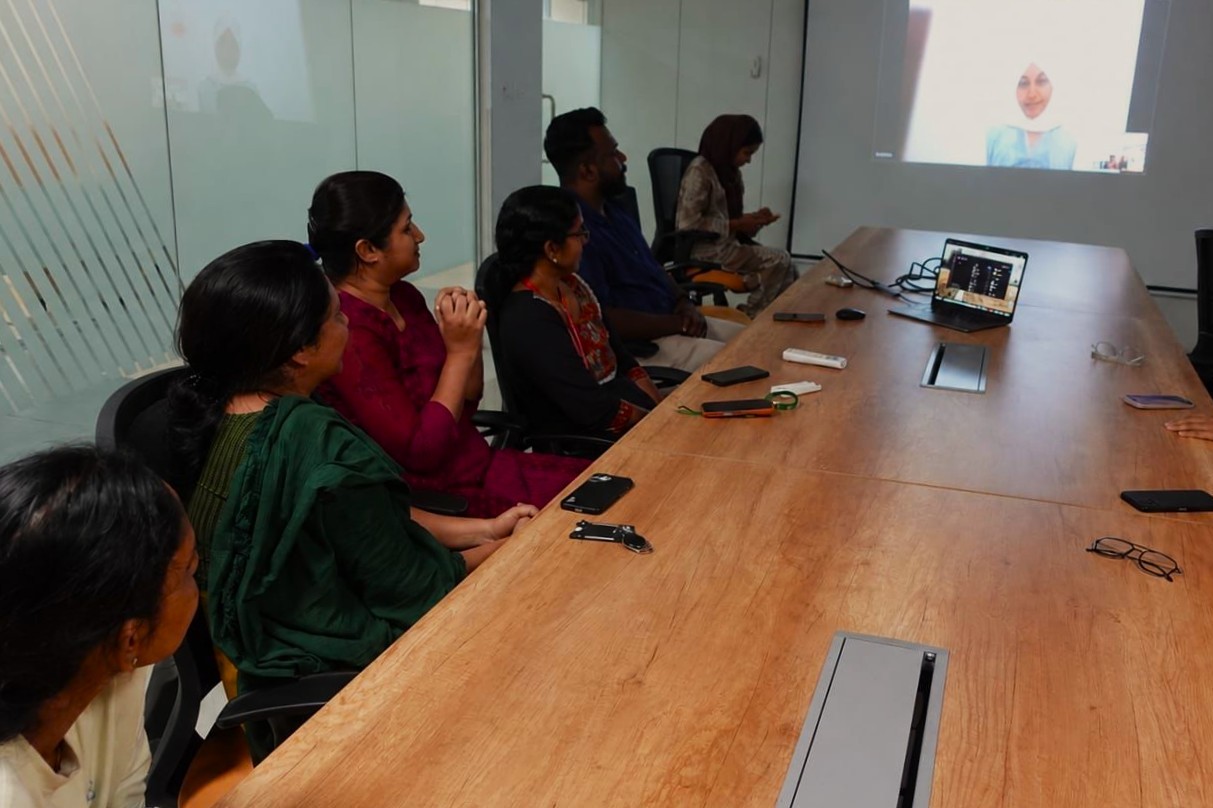
International Cyber Women’s Day seminar held at Government Cyberpark
September 1, 2026
-
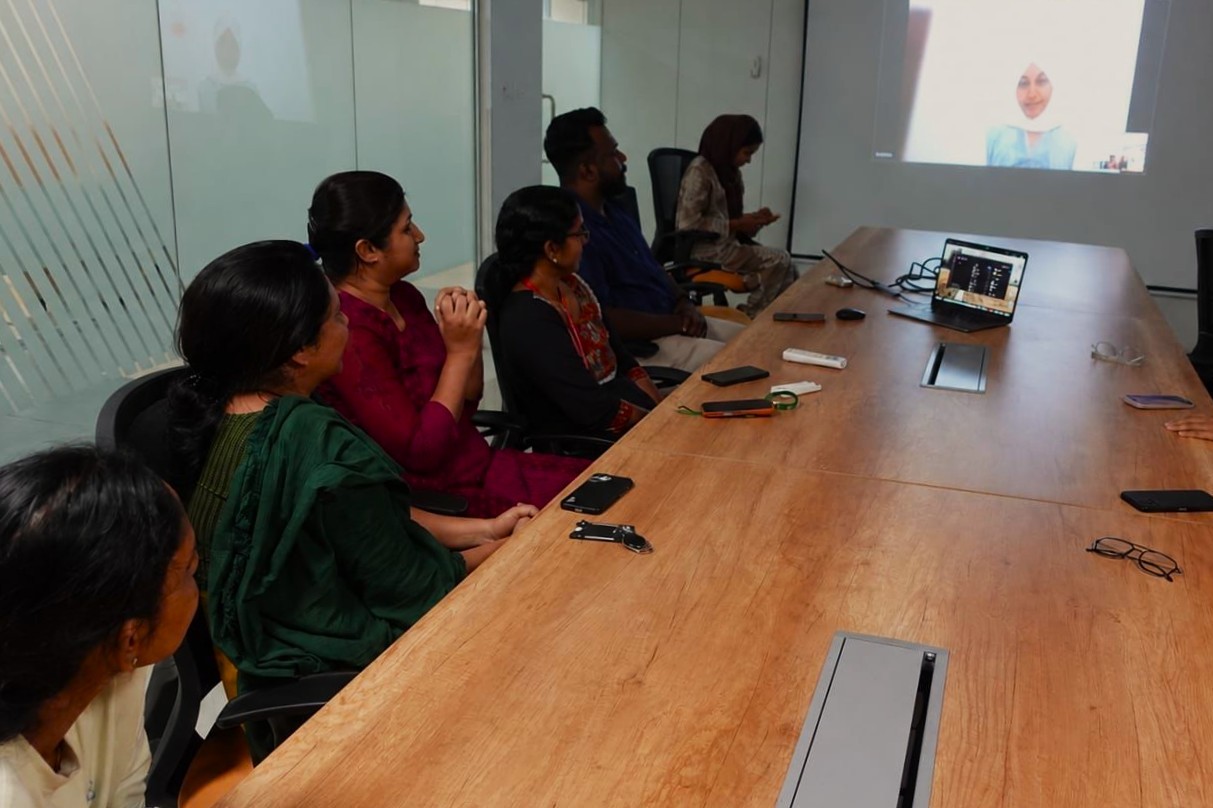
ഗവ. സൈബര്പാര്ക്കില് അന്താരാഷ്ട്ര സൈബർ വനിതാ ദിന സെമിനാര്
September 1, 2026
-
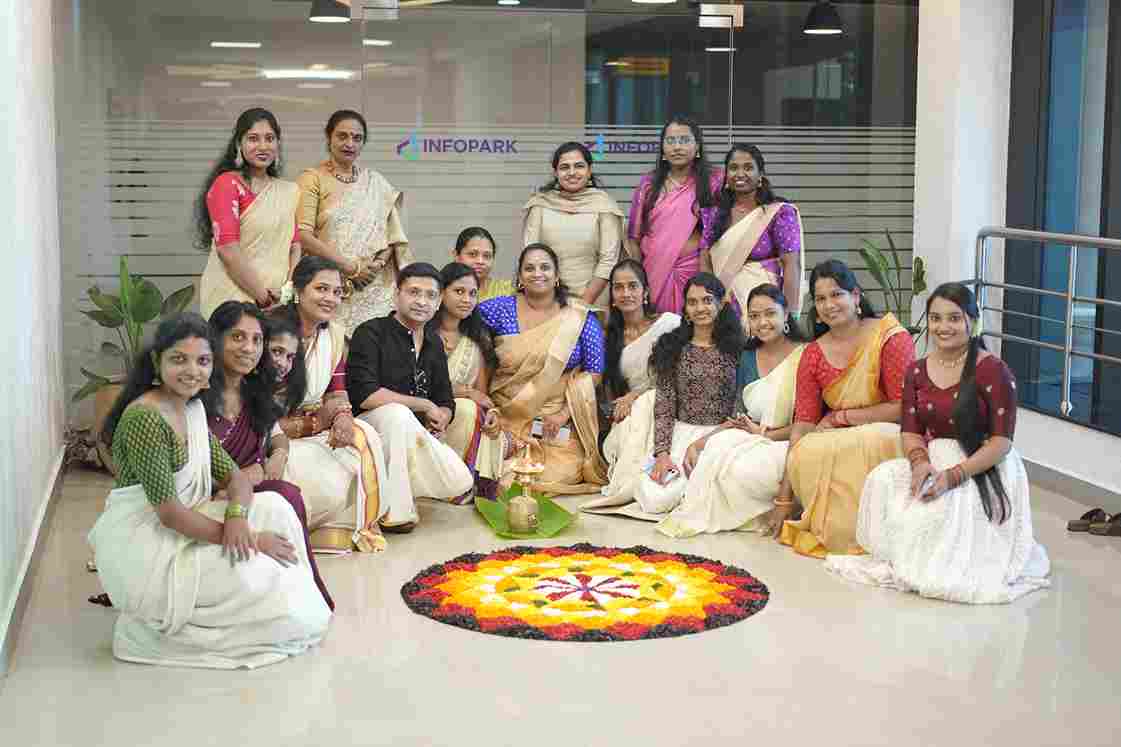
Infopark Cherthala hosts ‘Inforhythm 2026’
September 1, 2026