KBF Residency exhibition: Flo Maak explores historic, cultural ties through ‘Communist Pacha’
Kochi / February 17, 2026
Kochi, Feb 17: The visual of a common plant as seen through a lens and the words, Communist Pacha (Chromolaena odorata), catches the viewers’ attention and rings memories on entering Devassy and Sons, Bazaar Road, Mattancherry.
Farmers in Kerala consider the invasive weed a bane yet use it as manure. The migratory plant, which is believed to have touched Kerala shores in the 1940s, was named so when communism was spreading as fast as the plant across the land paving the way for political change that some feared and others welcomed.
The installation, ‘The Red Green, 2025’ by German-based Residency artist Flo Maak, portrays the different sides of invasion, colonisation, and appropriation connecting natural and cultural histories and their entwinement through the plant.
The Residency exhibition, a part of the ongoing Kochi-Muziris Biennale (KMB), highlights the need for coexistence at a time when climate change is wiping out many landscapes.
The Kochi Biennale Foundation (KBF) Residency programme offers space for artists for research in Fort Kochi and surrounding areas and for collaboration with residency projects across nations to help strengthen international collaborations.
“This is an evolution of my work at the KBF Residency in 2019 which could not be exhibited owing to the pandemic. It is about the migration and origin of plants and how nature and culture are linked. The red and green, threat and healing, creation and destruction, invasive and native, are all entangled. The plant is known by different names and treated differently across the globe just as migrants are, with open arms or chased away,” Flo Maak said.
In a way it delves into concepts of ‘native’ and ‘indigenous’ and ‘invasive’ and ‘migrant.’ Through the grey wall paint, photo prints in cotton, vinyl lettering, steel wire, and stones.
“In Ivory Coast, Chromolaena odorata (a tropical species of flowering shrub) is called Independence coinciding with the independence of French colonies in West Africa in 1960 when it spread along the direction of the dominant winds supported by road building equipment transporting the seeds,” Maak said.
Called Devil’s weed in Australia, it is considered an environmental threat and programmes are on to eradicate it.
“It is called Triffid in South Africa, a British English name for large invasive plants taken from the novel, The Day of the Triffids, by John Windham in which he created a fictional carnivorous plant, Triffid,” he explained.
Chromolaena odorata is regarded an alien species in USA, France and Germany. It is called Siamkrut in Germany, Siam Weed in USA and Herbe Du Laos in France based on the Kingdom of Siam that roughly covered today’s Thailand probably by a naturalist, according to Maak. It’s called Jack-in-the-bush in Jamaica
However, it is welcomed in Cuba for spiritual purposes. “Believed to be native to Caribbean and associated with Yoruba deity Chango, it is called Rompezaragüey. Romper is equivalent ‘to break’ and they believe in its power to break misfortune. The dried parts are tied in the shape of a cross and placed on doors to ward off evil spirits. Besides, its liquid essence is said to help in household cleaning and used for magical purposes,” he said.
In short, Chromolaena odorata represents a tale of invasion into different territories, spreading fast unbound by man-made borders, reminding all that the universe has the impure and the negative and it is up to all to coexist in harmony. It speaks of acceptance, mutual dependence, and embracing the different.
Maak’s concept is based on Anthropocene, something that is alarming in today’s context of rising pollution, heaps of garbage and climate change. He depicts it in a sensitising way raising questions on exploitation of nature.
ENDS


Latest PRESS RELEASES
-
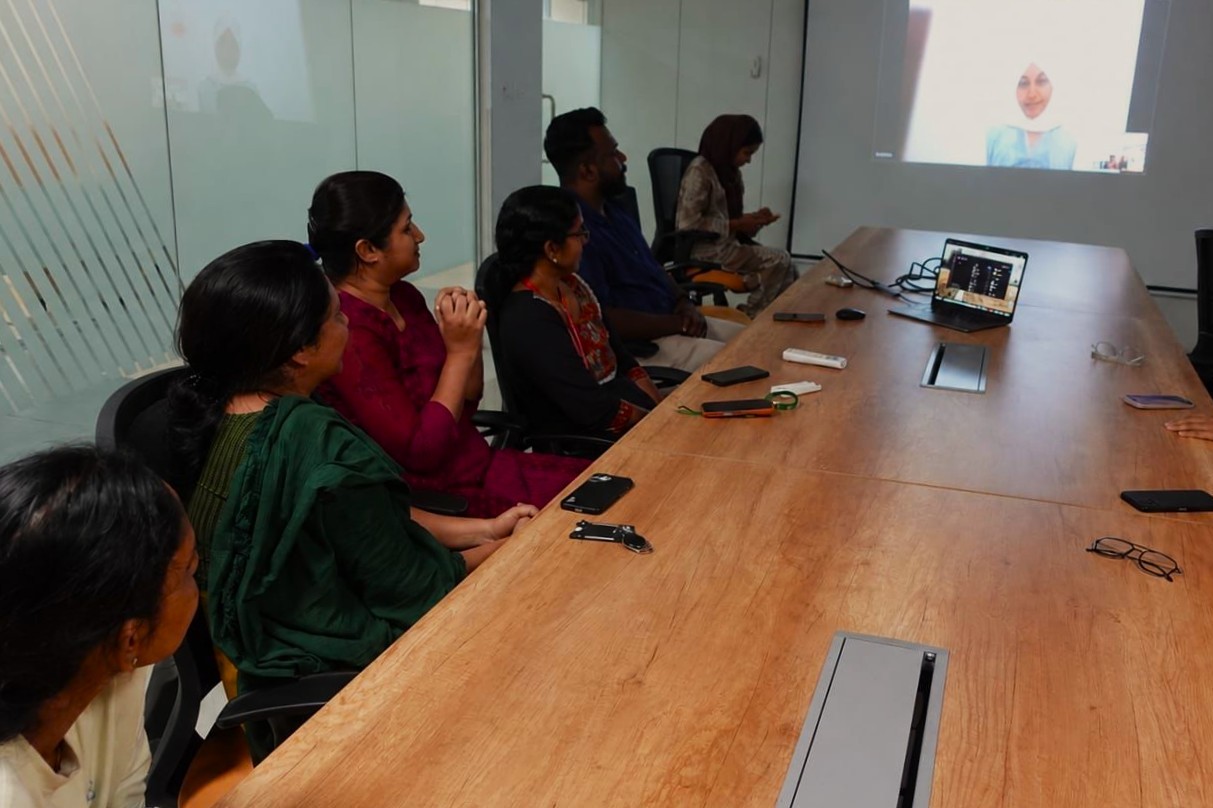
International Cyber Women’s Day seminar held at Government Cyberpark
September 1, 2026
-
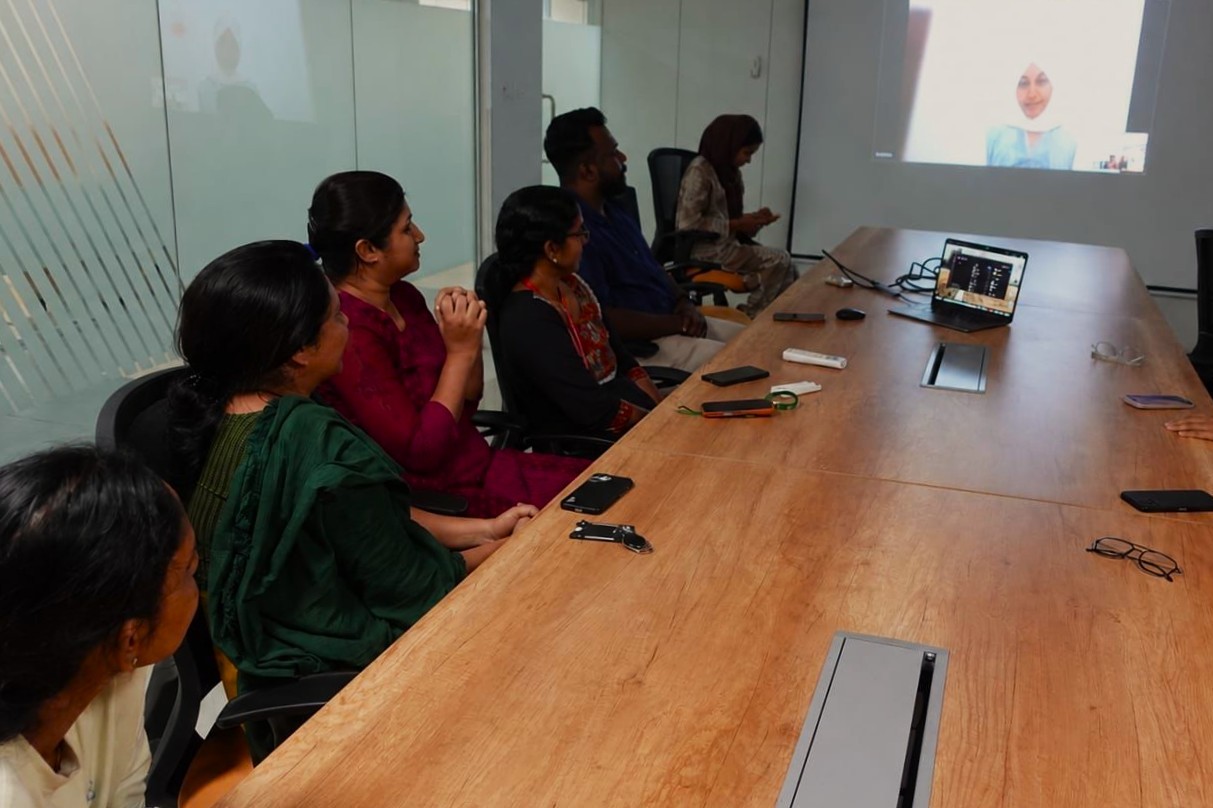
ഗവ. സൈബര്പാര്ക്കില് അന്താരാഷ്ട്ര സൈബർ വനിതാ ദിന സെമിനാര്
September 1, 2026
-
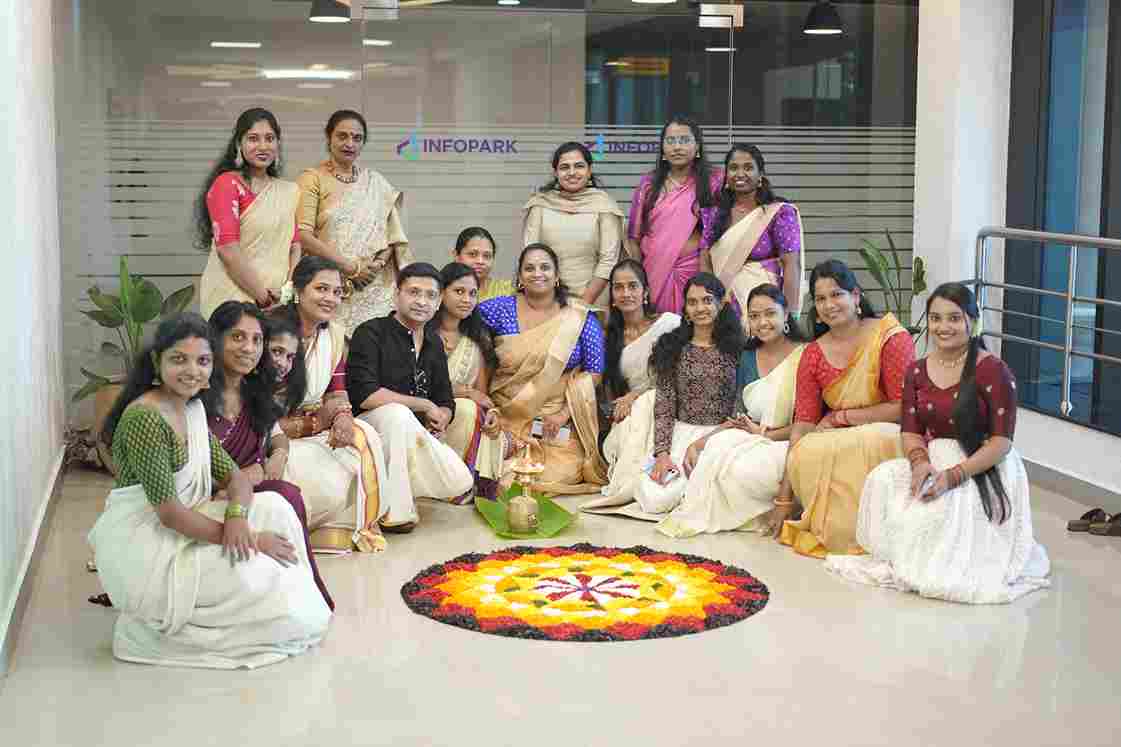
Infopark Cherthala hosts ‘Inforhythm 2026’
September 1, 2026