Kerala calls for tourism that works for everyone at ‘Kerala for All’ conclave
Kochi / January 31, 2026
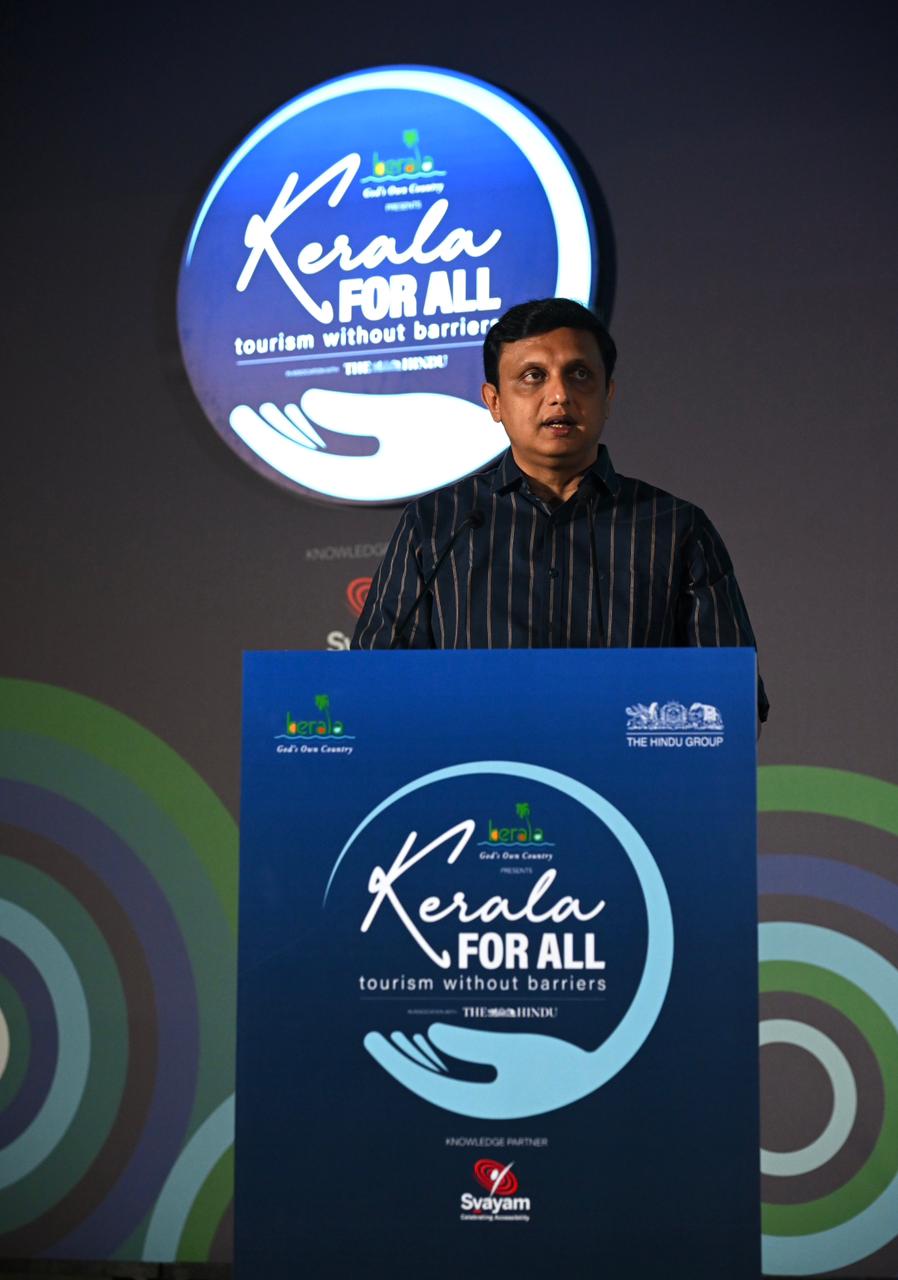
Kochi, Jan 31: Holding that accessibility must be central to how tourism destinations are imagined and managed, Tourism and PWD Minister Shri P.A. Mohamed Riyas on Saturday urged governments and industry stakeholders to move beyond token gestures and embed inclusion into the core of tourism planning.
Addressing ‘Kerala for All’, a knowledge conclave jointly organised by The Hindu and the Kerala Tourism Department, the minister said tourism could truly connect cultures and communities only when it was designed to welcome everyone, without exception. Community participation is the backbone of successful inclusive tourism, making travel experiences more meaningful, sustainable and socially rooted, he asserted.
“Inclusive and accessible tourism ensures that travel is possible for all people, regardless of age, ability or social background,” the minister said. “It is about recognising that diversity is not a limitation, but a strength.”
Framing accessibility as both an ethical imperative and an economic opportunity, Shri Riyas argued that removing physical, social, informational and attitudinal barriers is central to enabling people to travel with dignity and independence.
While accessibility is often narrowly associated with persons with disabilities, he stressed that its benefits extended far wider, to senior citizens, families with children, people recovering from injuries, and to every traveller navigating unfamiliar spaces.
The minister outlined how barrier-free infrastructure, including ramps, lifts, accessible toilets and thoughtfully designed public spaces, created destinations that were safer and more comfortable for all. Equally important, he said, were non-physical interventions such as clear signages, easy-to-understand information systems and digitally accessible platforms that reduced confusion and exclusion.
However, he warned against viewing accessibility as merely an infrastructural checklist. “Infrastructure alone is not enough,” he said. “The human element is equally important.” Trained and sensitised tourism personnel played a decisive role in shaping whether visitors felt welcomed, respected and included, he asserted.
The broader framework for such an approach, the minister said, lay in universal design principles; the idea that facilities and services should be usable by everyone without the need for special adaptation. Accessible transport, inclusive accommodation and culturally sensitive services were not add-ons, he suggested, but the foundation of a seamless tourism experience. Importantly, Shri Riyas expanded the definition of inclusion beyond physical access. Inclusive tourism, he said, must also address cultural, linguistic and economic diversity, ensuring that no visitor or host community felt marginalised or exploited.
“When local communities are involved, tourism becomes more responsible and more resilient,” he said, linking inclusion directly to long-term destination competitiveness and sustainable development.
Drawing on his own experience as a legislator, Shri Riyas pointed to pilot initiatives in the Beypore constituency in Kozhikode district. There, he said, a project had been launched with the aim of transforming the constituency into a fully disabled-friendly area. The initiative, carried out in association with an organisation working in the field of accessibility, sought to demonstrate how inclusive design could be implemented at a local level.
Looking ahead, the minister underlined the importance of strong policy backing and regulatory frameworks in accelerating the shift towards inclusive tourism. The smart use of technology – including assistive applications and digital guides – could further reduce barriers and empower travellers, he said.
A significant announcement in this context was Kerala’s move towards a comprehensive design policy. He said the departments of public works and tourism had initiated the first step by drafting a design policy aimed at embedding accessibility and universal design principles into public infrastructure.
Chief minister Shri Pinarayi Vijayan had earlier described the proposed policy as the first of its kind in India, positioning Kerala as a national leader in inclusive planning.
“Several other states are now coming up with design policies, which shows both the need and the acceptance of this approach,” Shri Riyas noted, suggesting that Kerala’s initiative could have a ripple effect beyond its borders.
“Inclusive and accessible tourism is not a special service for a few,” he said in his concluding remarks. “It is a shared responsibility of governments, industry stakeholders, communities and cities.”
ENDS
Photo Gallery
Content
Latest PRESS RELEASES
-
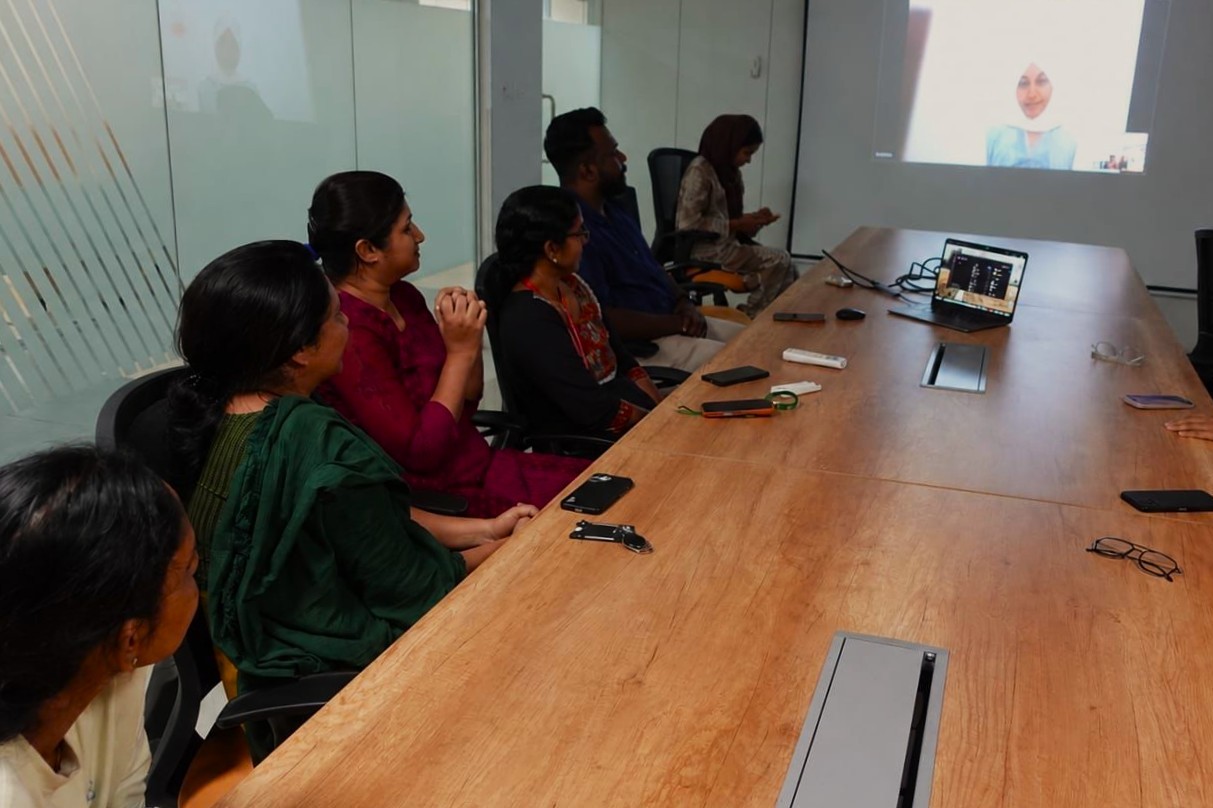
International Cyber Women’s Day seminar held at Government Cyberpark
September 1, 2026
-
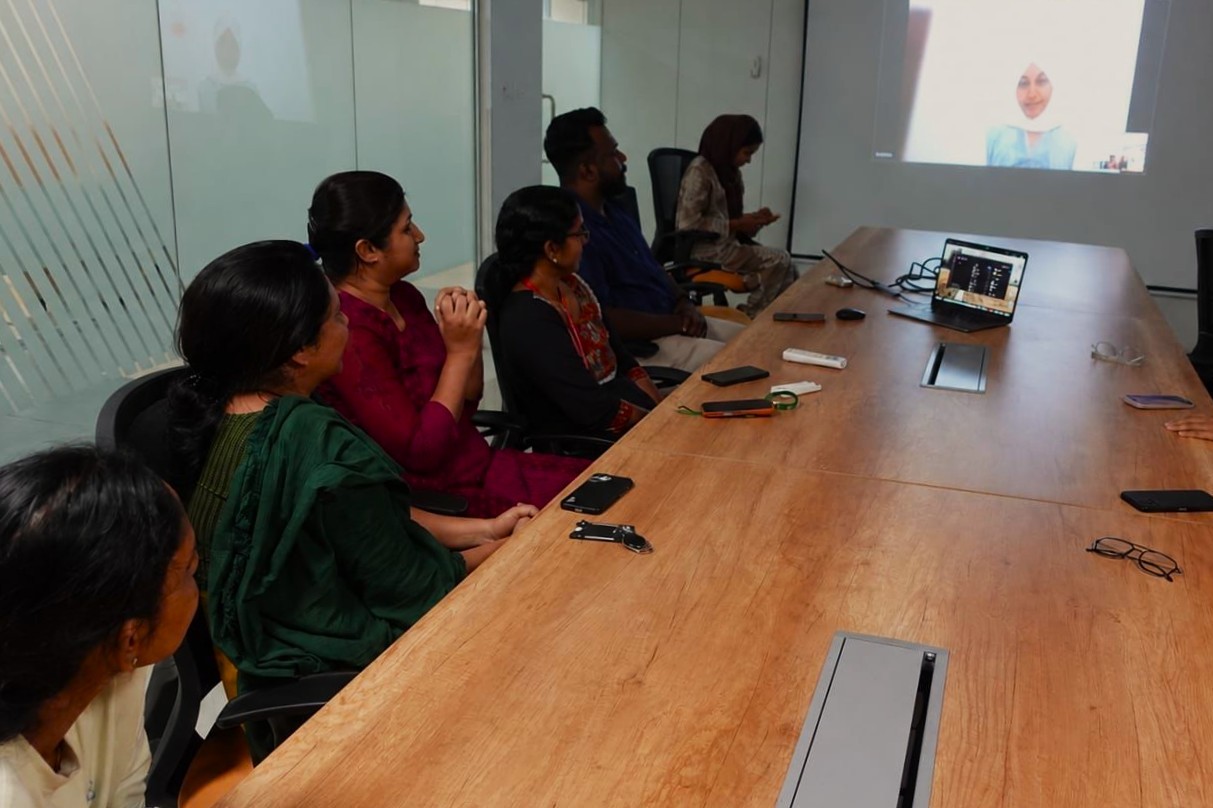
ഗവ. സൈബര്പാര്ക്കില് അന്താരാഷ്ട്ര സൈബർ വനിതാ ദിന സെമിനാര്
September 1, 2026
-
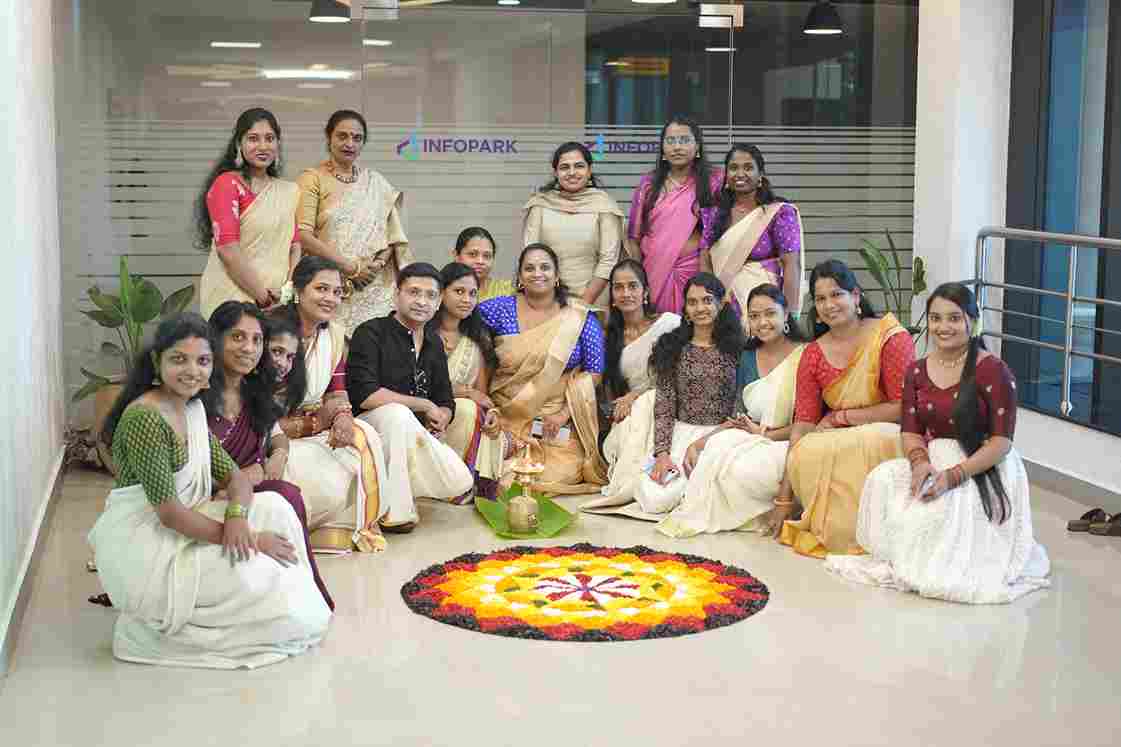
Infopark Cherthala hosts ‘Inforhythm 2026’
September 1, 2026