Patwardhan’s Vasudhaiva Kutumbakam to screen at Kochi-Muziris Biennale
Kochi / January 27, 2026
Kochi, Jan 27: Anand Patwardhan’s latest film, Vasudhaiva Kutumbakam, will be screened on January 28 at 7 pm at Bastion Bungalow, as part of the Kochi-Muziris Biennale.
What begins as a quiet act of filial care gradually opens into a fierce public argument about history, memory and power. The film, completed in 2023 after a gestation of more than two decades, is framed by the ancient Sanskrit idea of Vasudhaiva Kutumbakam: the belief that the world is one family. Yet the film’s emotional and political force lies in how far contemporary India appears to have travelled from that inclusive vision.
The synopsis, starkly laid out against a muted monochrome background, reads almost modestly. A family that once fought for India’s freedom. A son filming his parents as they age. A home movie that slowly transforms into something much larger. But behind this restraint sits one of India’s most uncompromising documentary voices, a filmmaker whose work has consistently challenged state power, majoritarian politics and historical amnesia.
“This is a film that I completed in 2023, but in a way I’ve been making it for 25 years,” says Patwardhan, who is in Fort Kochi as part of the movie screening.
The project did not begin as a documentary in the conventional sense. There was no script, no intended audience, no narrative arc. “It’s actually a home movie. It was not meant to be for the public. I was just shooting my parents as they were getting old.”
Only later, after both his parents had passed away, did the footage reveal its deeper resonance. Looking back, Patwardhan realised that what he had recorded was not simply a private archive of family life, but living testimony to a generation shaped by the freedom struggle; people whose political commitments were woven into their daily existence rather than performed for history books.
“And then I understood that there was material in it that was important for the whole country to see,” he says. “Because it deals with the independence struggle and my parents’ role in it. So, it’s a combination of the independence movement and my parents’ role in it.”
That shift, from personal memory to collective history, is where the film finds its urgency. Patwardhan is clear that its relevance today is not incidental. It is, in fact, unavoidable.
“It is relevant because in today’s times the history is being rewritten by the people in power,” he says. “They are wiping out the whole independence story and replacing it with fake stories.”
This is the political heart of the film.
What the film offers, then, is not nostalgia but resistance.
“This is a way of recapturing,” Patwardhan says, “and kind of pushing back.” By returning to first-person narratives, “people who witnessed the movements,” the film challenges the top-down rewriting of history with something far harder to dismiss: memory recorded in real time, unpolished and unstrategic.
The idea of Vasudhaiva Kutumbakam becomes quietly subversive in this context.
Post-screening, Anand Patwardhan will be interacting with the audience about the movie. His cinematographer Simantini Dhuru and poet Anvar Ali will also be there.
ENDS
Photo Gallery
Latest PRESS RELEASES
-
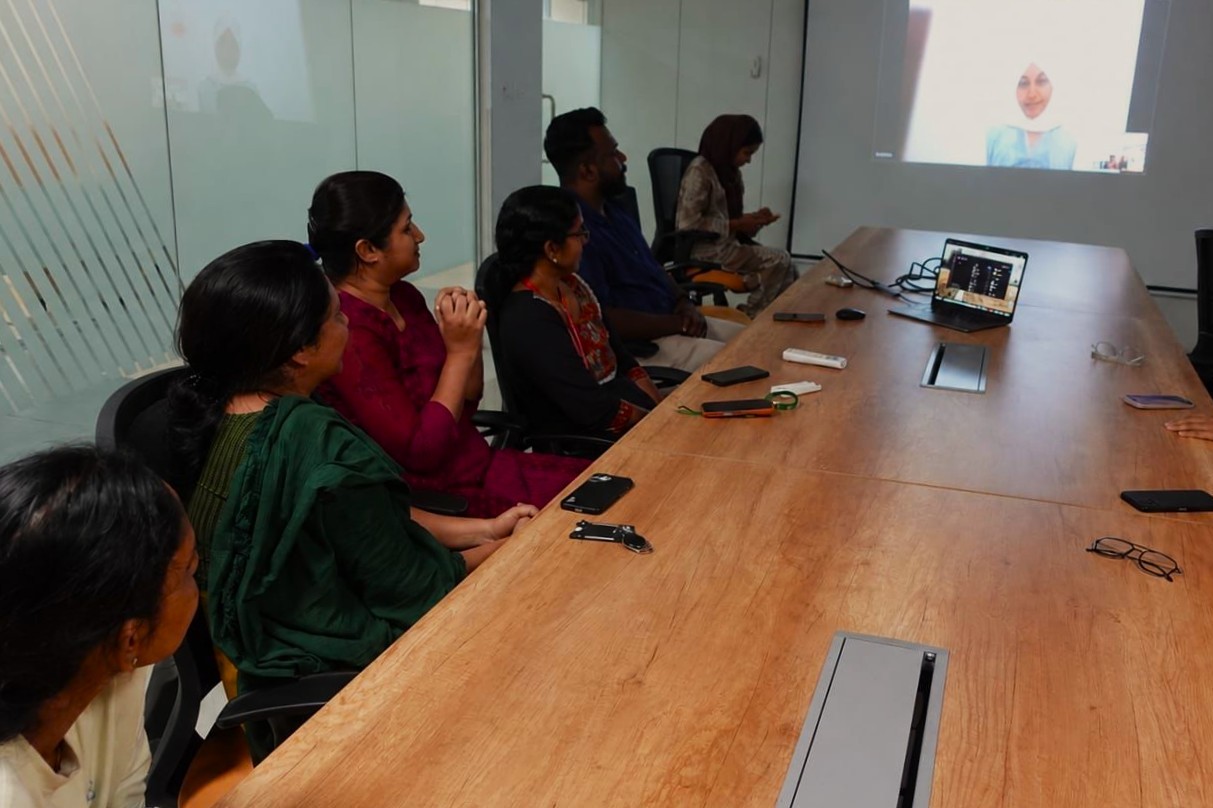
International Cyber Women’s Day seminar held at Government Cyberpark
September 1, 2026
-
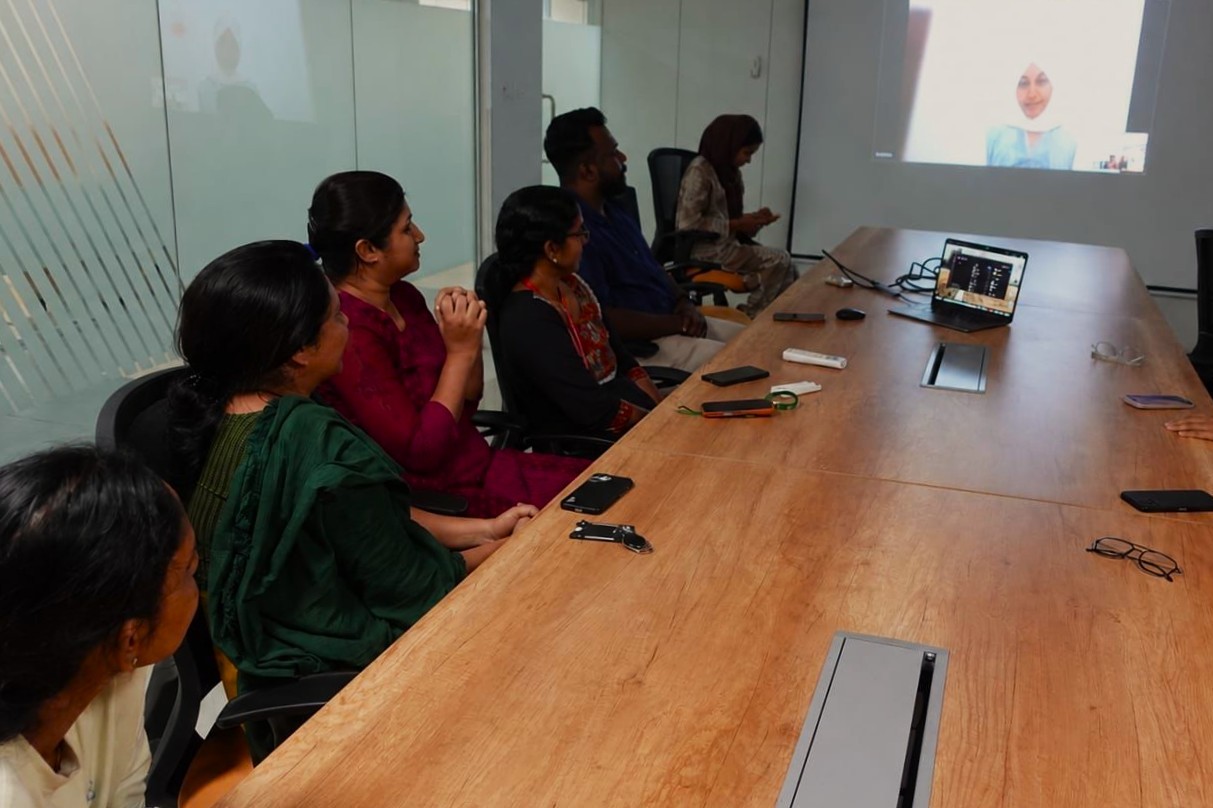
ഗവ. സൈബര്പാര്ക്കില് അന്താരാഷ്ട്ര സൈബർ വനിതാ ദിന സെമിനാര്
September 1, 2026
-
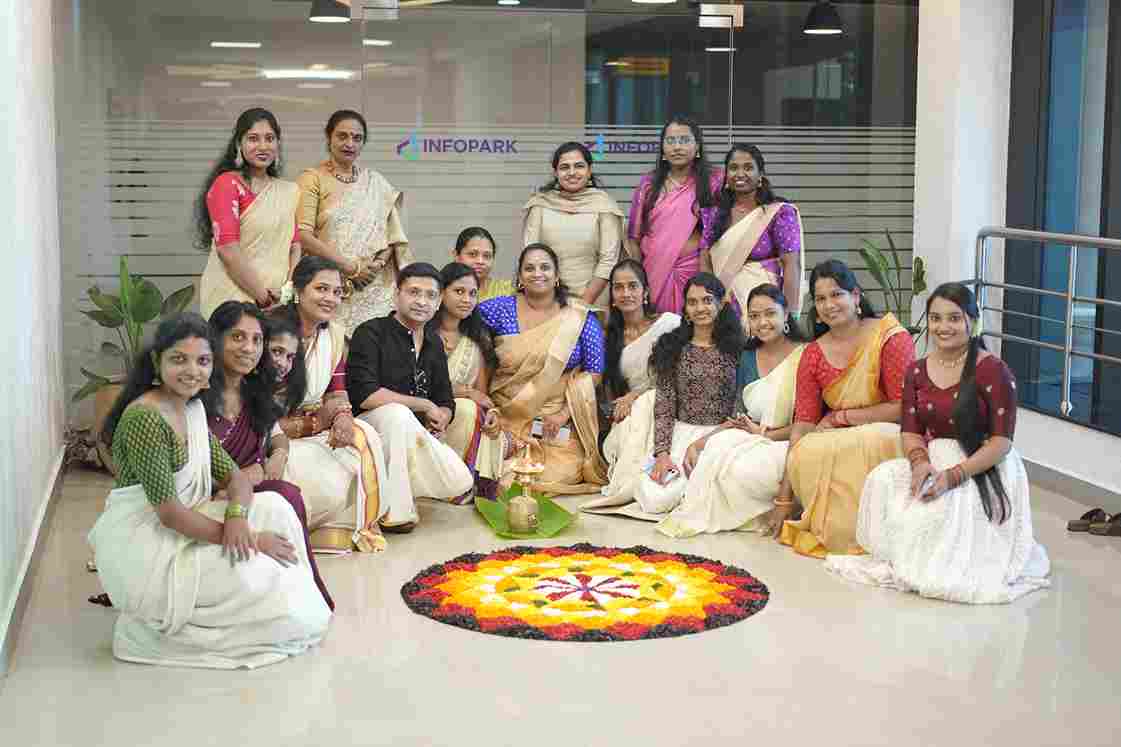
Infopark Cherthala hosts ‘Inforhythm 2026’
September 1, 2026