Kerala to send high-power delegation for January 19-23 WEF, Davos
Industries Minister P Rajeeve to lead the delegation
Trivandrum / January 16, 2026
Thiruvananthapuram, Jan 16: Kerala will send an official high-power delegation, led by Minister for Industries P Rajeeve, to the January 19-23 World Economic Forum (WEF) at Davos in Switzerland, to scout for global investments and collaborations in its diverse range of industry-ready enterprises and shine a spotlight on the state’s impressive economic growth.
Besides the Minister, the six-member delegation comprises Dr A Jayathilak, Chief Secretary, Govt. of Kerala; Shri APM Mohammed Haneesh, Additional Chief Secretary (Industries & Commerce), other high-ranking officials from various other departments, and Shri P Vishnuraj, Managing Director, Kerala State Industrial Development Corporation (KSIDC).
“We will be showcasing the transformational changes the Kerala government has introduced in the state’s industrial scenario and focussing on strengthening its brand image as a place for ‘responsible investment, responsible industry’. This will be in tune with the WEF 2026 theme of ‘A Spirit of Dialogue’,” Shri Rajeeve said.
“The delegation will also be highlighting the state transitioning to high-tech, knowledge-based industries and building an Industry 4.0 compliant ecosystem,” he added.
Kerala, which secured top achiever position in the ‘National Ease of Doing Business 2024’, has been provided an exclusive space inside the India Pavilion at Davos. It will serve as a central point for global stakeholders to learn about the state's industrial policy reforms. The focus will be on knowledge economy, Environmental, Social and Governance (ESG), Hi Tech and modern technology-based industries.
“While at Davos, we will highlight how Kerala is fusing technology, talent, and collaborative ecosystems and investing in human capital to reap economic dividends. Our overriding concern is to balance economic development with ecological sensitivity,” the minister said.
WEF was instrumental in bringing in investments and major achievements to the state through the Invest Kerala Global Summit (IKGS 2025) held in Kochi. Besides, it had impacted leading Indian biotechnology company Bharat Biotech to start a food processing unit in Kerala.
Kerala makes a compelling case for investments, backed by a congenial industrial climate, supportive government policies, digitally literate talent pool, a ready plug-and-play work infrastructure, and a high quality of life, which are pre-requisites for a stable business environment.
In a testament to its robust industrial ecosystem, the state attracted Expressions of Interest (EOIs) worth Rs 1.80 lakh crore from 449 companies at Invest Kerala Global Summit held in Kochi last February. Notably, 100 of these projects, including those by global giants like Dynimated (Italy) and Adani Logistics, have already commenced construction.
The Kerala government has streamlined its industrial policy by identifying 22 priority sectors for promotion and investment opportunities. These include Aerospace and Defence; Robotics, Ayurveda; Electric Vehicles; Graphene; High-tech Farming; Logistics & Packaging; Nano Technology; Pharmaceuticals; Renewable Energy; Retail Sector; Tourism & Hospitality; and 3D Printing.
The Industries Department has successfully rebranded its industrial landscape, shifting the narrative from a traditional base to a hub for sustainable and ethical business. All state PSUs and District Industries Centres have been rebranded, adopting a uniform ESG-focused identity. This includes the successful implementation of "Mission 1000," aimed at scaling 1,000 MSMEs into Rs 100-crore turnover enterprises.
The delegation at WEF 2026 plans to showcase such branding to attract high-value, non-polluting industries (AI, space tech, life sciences), ensuring economic growth does not compromise Kerala's fragile ecology.
“Companies today face immense global pressure for ESG compliance. By operating in Kerala, investors automatically align with international sustainability standards, benefit from a transparent, feedback-linked regulatory system (BRAP 2024), and gain a "Green Premium" for their products,” Shri Rajeeve said.
Significantly, Kerala is emerging as a prominent hub for Global Capability Centres (GCCs) in India, leveraging its IT parks like Technopark, Infopark and Cyberpark, with major developments, including the country’s first AI Township at Infopark Phase-3 and with an upcoming dedicated GCC policy to attract global firms. It has positioned cities like Kochi and Thiruvananthapuram as key destinations for innovation and investment.
Another USP of Kerala’s industrial ecosystem is that its unique geography provides a strategic advantage for logistics and decentralized industrial growth. Unlike other states with a single primate city, Kerala operates as a polycentric network of towns. This ‘rural-urban continuum’ ensures that world-class infrastructure—including 100% digital literacy and K-FON high-speed internet—is available in every corner of the state.
The recently submitted Kerala Urban Policy Commission (KUPC)’s report has paved the way for "City Cabinets" in Thiruvananthapuram, Ernakulam, and Kozhikode. This allows for climate-smart zoning and metropolitan-level governance, making the state a "Lighthouse" for sustainable urbanization in India.
By 2035, over 90 per cent of Kerala’s population is projected to live in urbanized clusters, ensuring a uniform market and talent pool for investors across the state’s geography. It also implies that investors do not need to pay ‘city-centre’ premiums for land. They can set up manufacturing units in suburban or rural settings while still enjoying urban-grade connectivity, power, and high-speed internet.
ENDS
Photo Gallery
Latest PRESS RELEASES
-
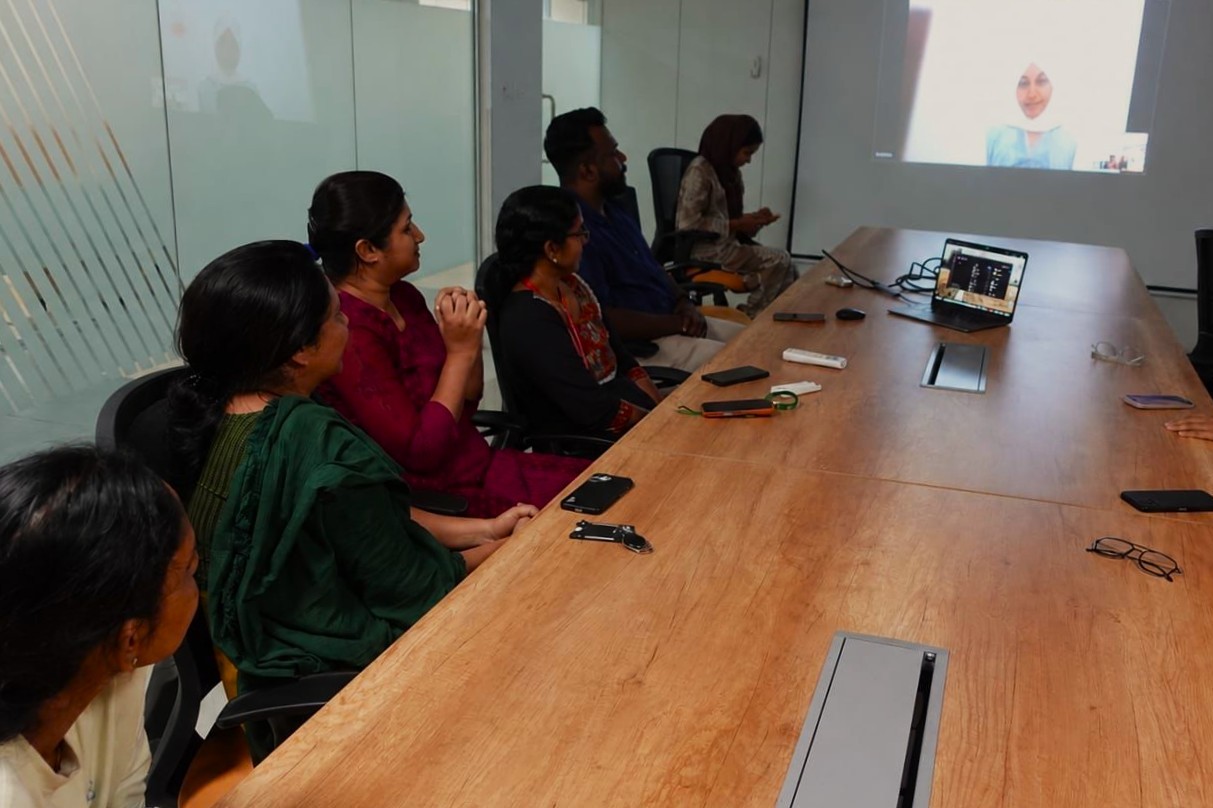
International Cyber Women’s Day seminar held at Government Cyberpark
September 1, 2026
-
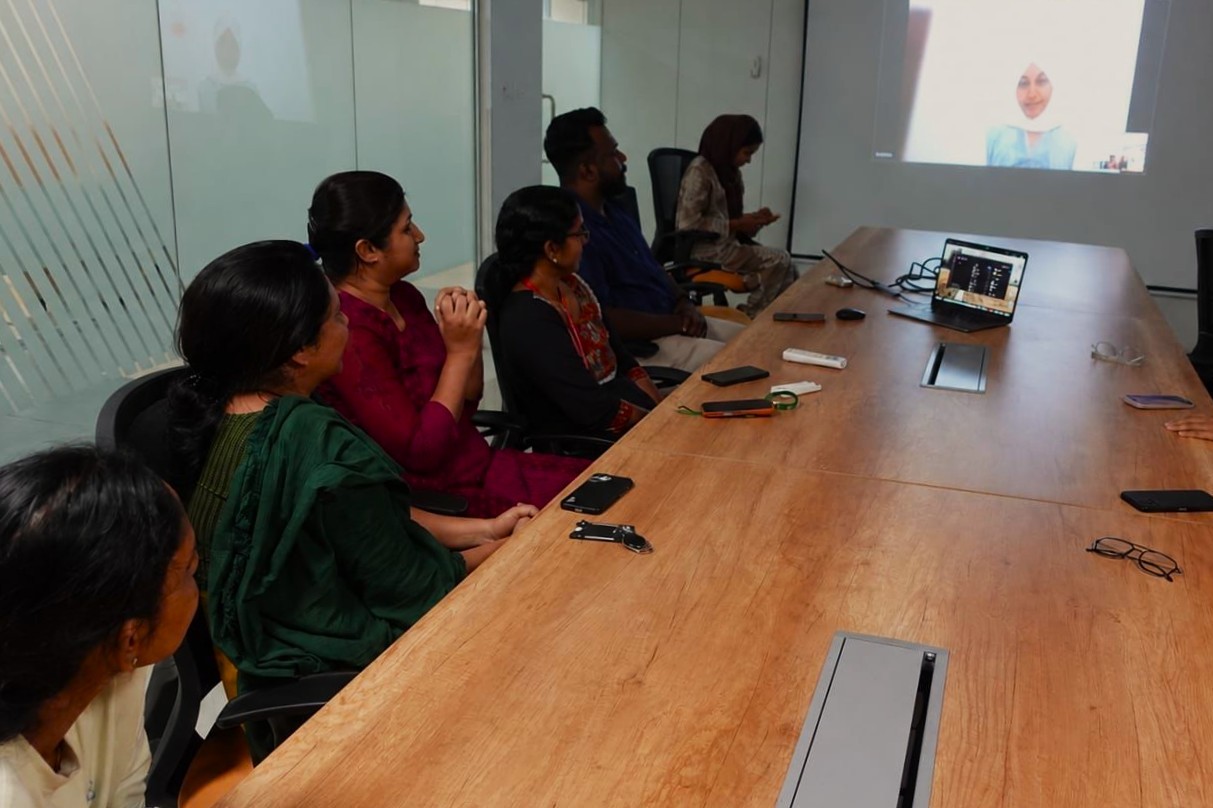
ഗവ. സൈബര്പാര്ക്കില് അന്താരാഷ്ട്ര സൈബർ വനിതാ ദിന സെമിനാര്
September 1, 2026
-
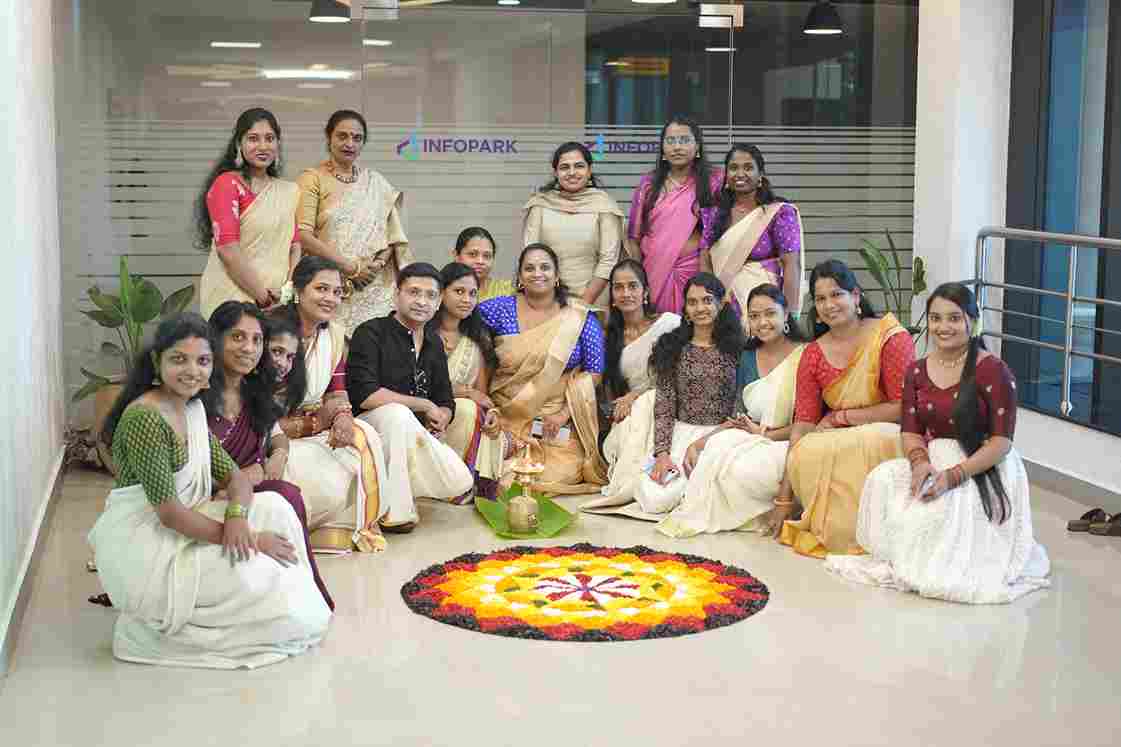
Infopark Cherthala hosts ‘Inforhythm 2026’
September 1, 2026