Femininity in Kitchen Utensils: Arti Kadam’s reflections on the intricacies of women’s lives
Kochi / December 31, 2025
Kochi, Dec 31: Few might have considered that kitchen utensils like spoons and ladles could embody femininity, yet Arti Kadam's thought-provoking art installation challenges this notion.
Set in the lively Island Warehouse on Wellingdon Island, her work, Dohar 2025, in the sixth edition of the Kochi- Muziris Biennale invites profound reflection.
Through her creative lens, everyday objects transcend their functions, exploring deeper connections between art, gender, and identity.
A laid table and some kitchen utensils on the wall opposite it remind us of the intricacies of aesthetics. Beyond that, a sculpture of a kitchen carved out of wood. Although it may initially confuse the viewer, its romanticism stands out.
Arti’s point is that femininity is hidden in every spoon, ladle, and utensil.
The softwood used to make the kitchen utensils was sourced locally. At this moment, Arti reflected on the body of women. She explains that we can shape this wood into any form we desire.
Through this, Arti conveys a powerful message to the audience: women's lives are no different from wood, highlighting their resilience and adaptability.
The artist reminds us that the kitchen should be a vibrant place. In modern modular kitchens, the kitchen is often concealed, leaving nothing visible other than the kitchen itself.
Modern kitchens have become so compact that they resemble living rooms, appearing sleek without any visible kitchen utensils, ladles, or spoons.
She says the 'character' of kitchens has transformed significantly. The jars that used to store oils, pickles and grains are no longer visible today.
They are inside the cupboards but cannot be seen at first glance.
For her, the kitchen symbolises a great tradition for every family, transcending caste, religion, and social inequalities.
Heritage is passed down through the vessels shared across generations. The previous generation imparts agricultural and social cultural practices through these vessels.
Arti says that this transfer provides the raw materials needed to shape the future, recalling her childhood in Maharashtra.
ENDS


Latest PRESS RELEASES
-
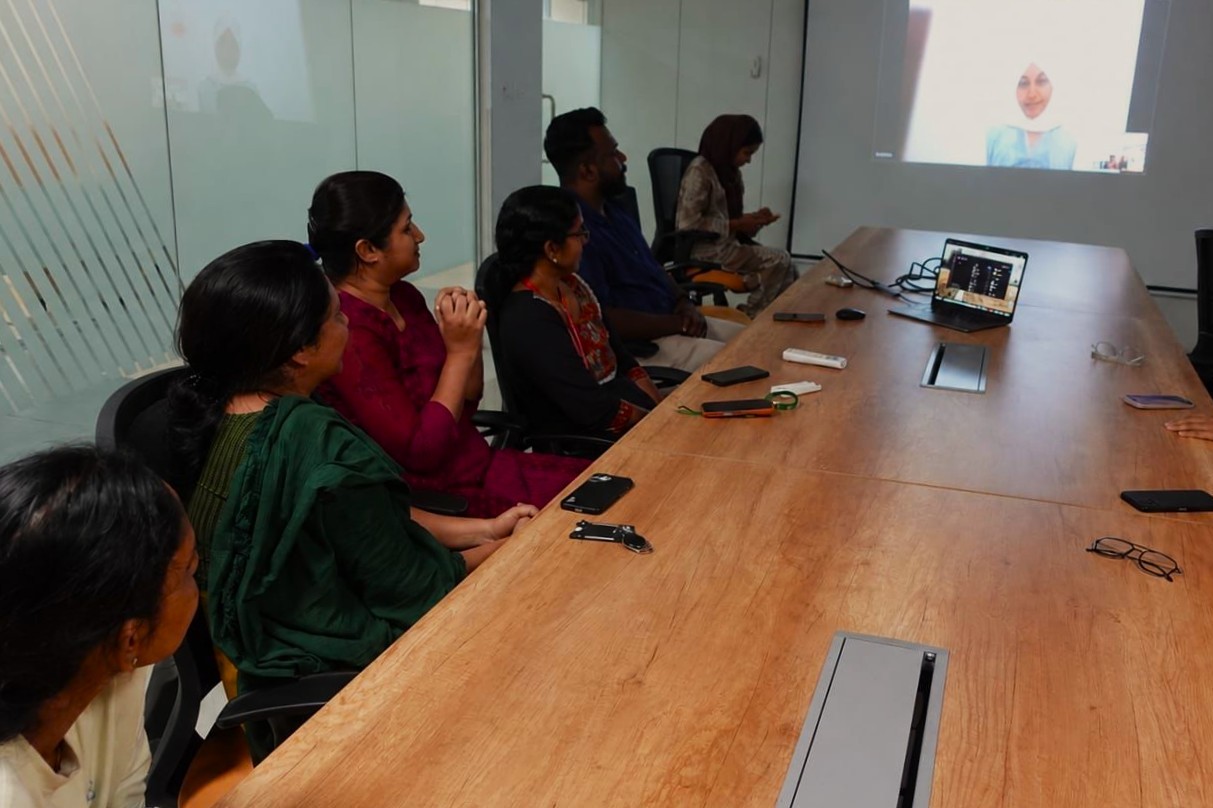
International Cyber Women’s Day seminar held at Government Cyberpark
September 1, 2026
-
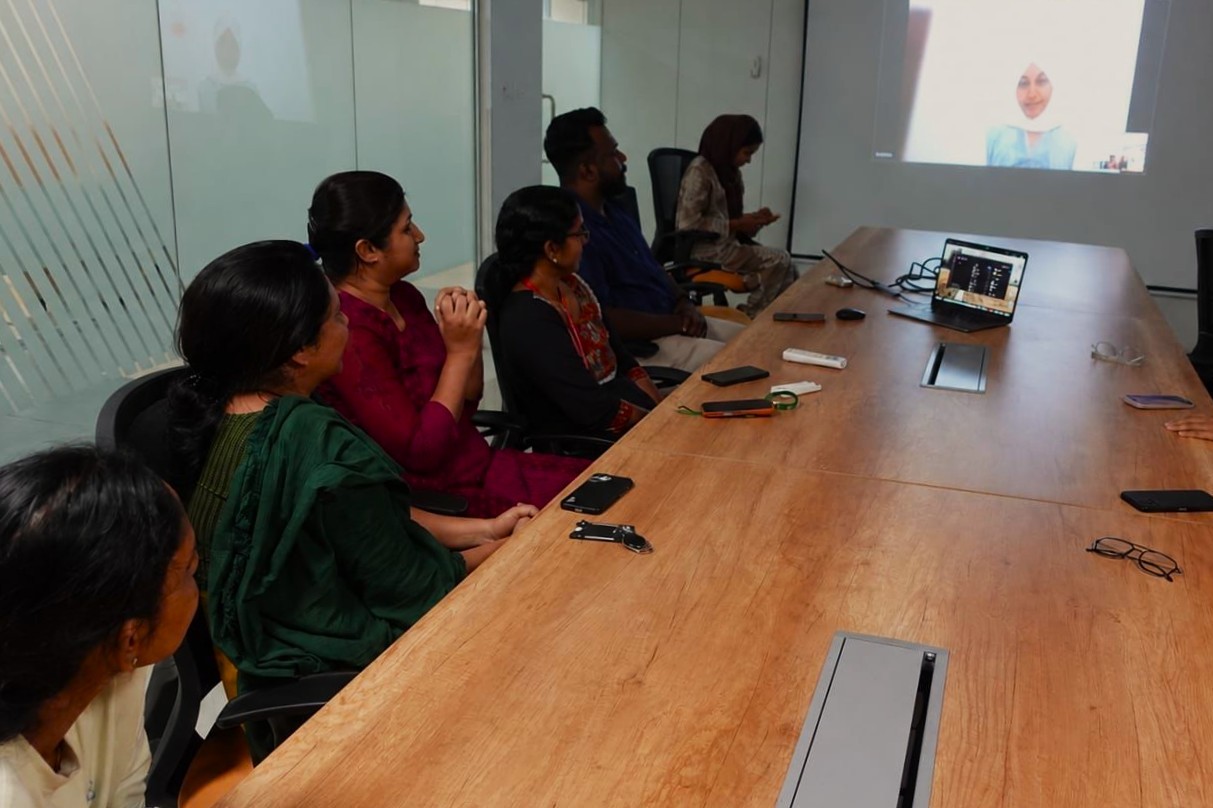
ഗവ. സൈബര്പാര്ക്കില് അന്താരാഷ്ട്ര സൈബർ വനിതാ ദിന സെമിനാര്
September 1, 2026
-
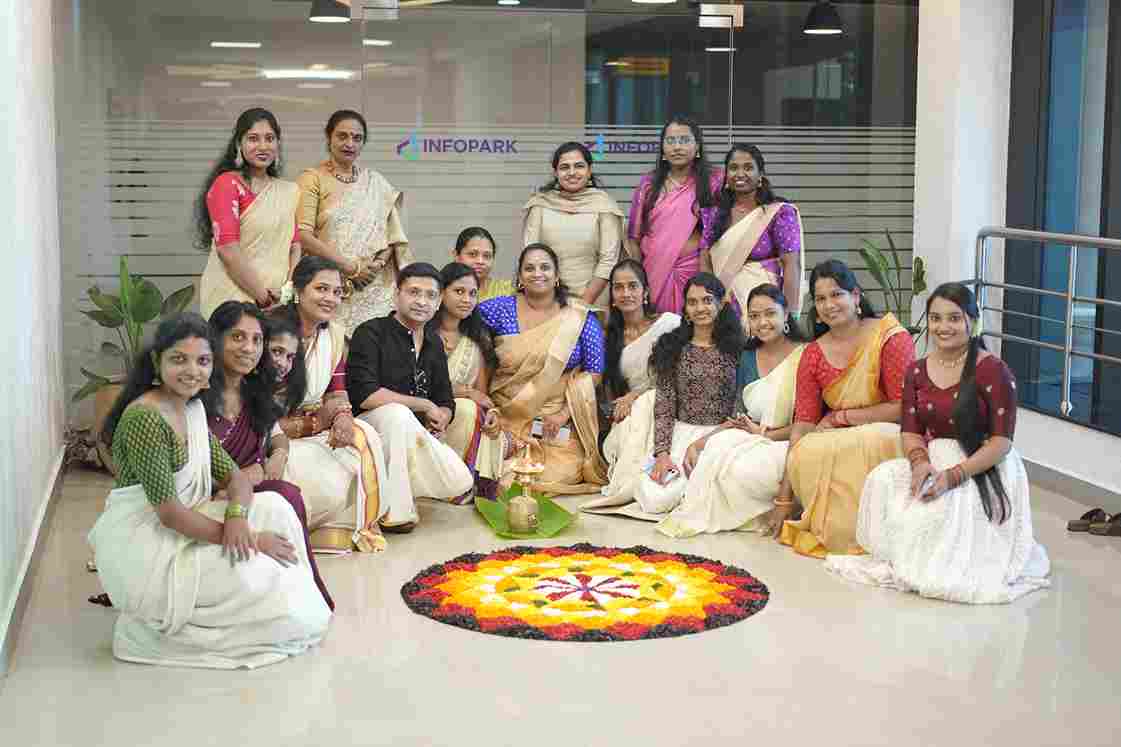
Infopark Cherthala hosts ‘Inforhythm 2026’
September 1, 2026