Museums, art spaces remind people of togetherness: Scholars at Spice Routes Conference
Kochi / January 7, 2026
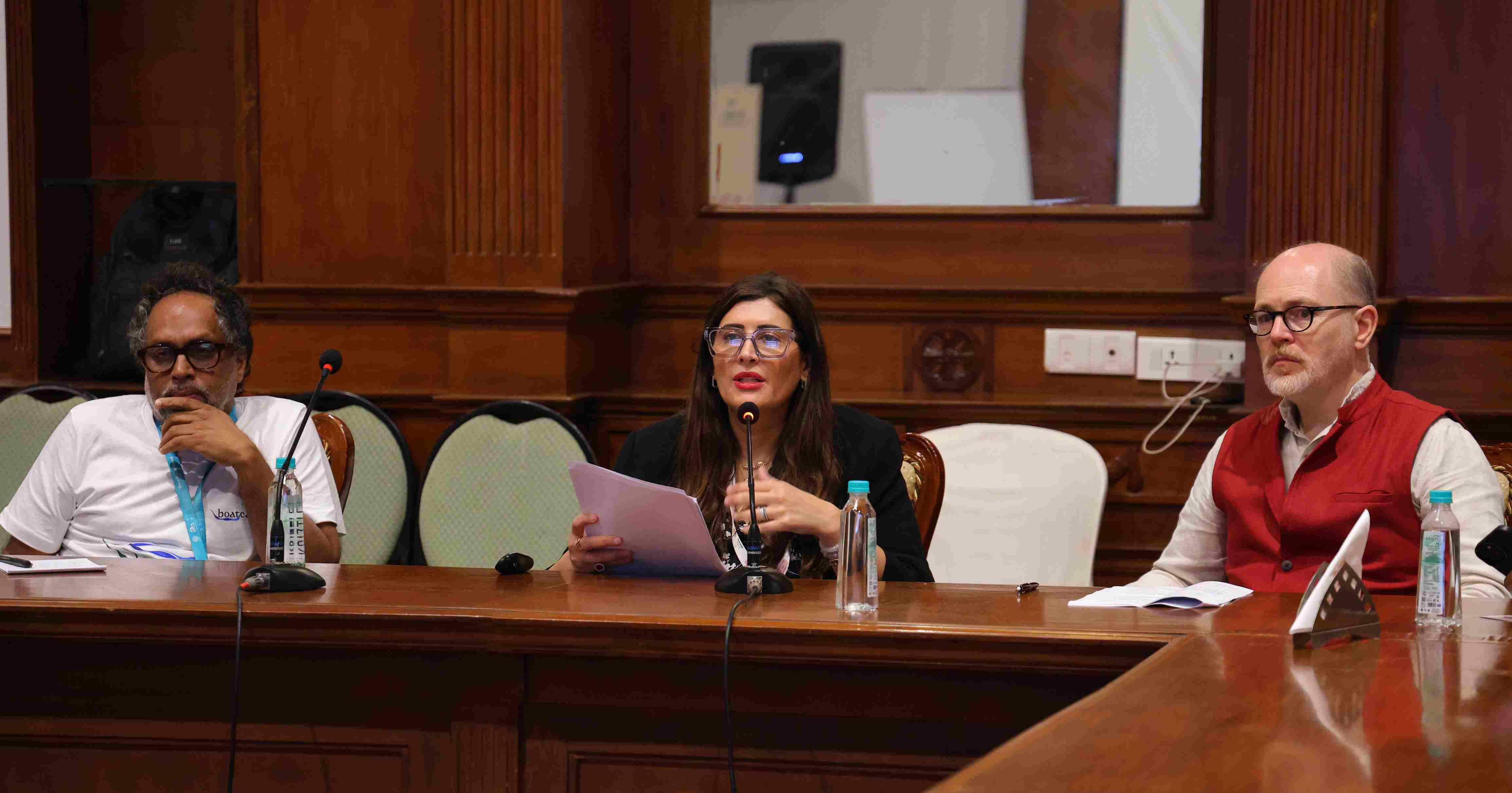
Kochi, Jan 07: Museums and art galleries are not just places that display objects and installations but cultural spaces that tell people of togetherness and interdependence, scholars and art practitioners noted at a session at the International Spice Routes Conference here.
Opening the conversation on ‘Aesthetics and Experiences—Museums in the region’, Dr Manal Ataya, Advisor, Sharjah Museums Authority, said objects and documents in museums tell people about intercultural engagements and communicate complex ideas in a lucid fashion.
On the significance of revisiting the Spice Routeas a shared legacy, Dr Ataya said spices had been powerful inter-cultural connectors and not merely commodities to be carried along trade corridors. The global spice trade moved merchants, scholars and shipbuilders in a world that was largely borderless.
Spice trade did not merely exchange goods but also interconnected the world and saw the movement of language, ideas, skills and technologies across borders, Dr Ataya noted.
Noted multi-media artist and curator Riyas Komu said at a time when artists are forced to speak about freedom, Kochi has huge potential to emerge as a ‘contemplative art site.’
As a site, Kochi can be a metaphor of new imaginations, one of the best places for reconciliation, celebrating diversity, empowering community pride and triggering cultural economy.
Dr Robert Carter, Qatar Museum, in an online presentation said global trade in the past not only accelerated commerce but also augmented production, a process in which different cultures including Indian trading communities were involved.
Prof. James Onley, American University of Sharjah, anchored the session.
The three-day International Spice Routes Conference, which opened on Tuesday, is packed with engaging conversations on a range of topics.
Ends
Photo Gallery
Content
Latest PRESS RELEASES
-
International Cyber Women’s Day seminar held at Government Cyberpark
September 1, 2026
-
ഗവ. സൈബര്പാര്ക്കില് അന്താരാഷ്ട്ര സൈബർ വനിതാ ദിന സെമിനാര്
September 1, 2026
-
Infopark Cherthala hosts ‘Inforhythm 2026’
September 1, 2026