RGCB selected as hub for national metagenomics project
Project part of ‘One Health Mission’ Initiative
Trivandrum / November 27, 2025
Thiruvananthapuram, Nov. 27: In a major endorsement of its capabilities, Rajiv Gandhi Centre for Biotechnology (BRIC-RGCB) has been selected as one of the four national Next-Generation Sequencing (NGS) hubs for the Metagenomic Syndromic Surveillance Programme under the National ‘One Health Mission’ initiative.
The programme aims to address the long-standing challenge of undiagnosed acute febrile illness, encephalitis, diarrhoeal diseases, and respiratory infections.
It also integrates clinical syndromic screening with unbiased metagenomic sequencing, enabling the simultaneous detection of known, rare, and novel pathogens that traditional diagnostic pathways often miss.
The project will be carried out in collaboration with the Centre for Cellular and Molecular Biology (CCMB), Tata Institute for Genetics and Society (TIGS), Gujarat Biotechnology Research Centre (GBRC), ICMR–NIE Chennai, and ICMR Headquarters.
As the designated NGS hub for acute febrile illness (AFI), RGCB will contribute through its advanced sequencing and data-analysis capabilities housed within the institute’s Bio Safety Level-3 (BSL-3) facility, RGCB Director (Additional Charge) Dr T R Santhosh Kumar said.
Leveraging its expertise in viral genomics, host–pathogen interactions, and high-throughput sequencing, RGCB will analyze thousands of samples from national surveillance sites to identify elusive etiological agents behind some of India’s most common yet unresolved clinical conditions, said Dr Kumar.
This integrated approach will generate a real-time genomic picture of circulating pathogens and antimicrobial resistance patterns, helping national bodies detect emerging threats and respond more effectively.
Dr. Rajesh Chandramohanadas, senior scientist in the Division of Pathogen Biology and faculty-in-charge of the BSL-3 Lab, RGCB, will lead the project.
Through this nationwide consortium, the initiative will generate transformative insights into India’s infectious disease landscape, strengthen epidemic intelligence, and support the development of future indigenous diagnostic panels tailored to Indian pathogen diversity.
It marks a major step toward building a unified One Health surveillance framework that connects human, animal, and environmental health, enhancing India’s preparedness against future outbreaks and pandemics.
Ends
Photo Gallery
Latest PRESS RELEASES
-
International Cyber Women’s Day seminar held at Government Cyberpark
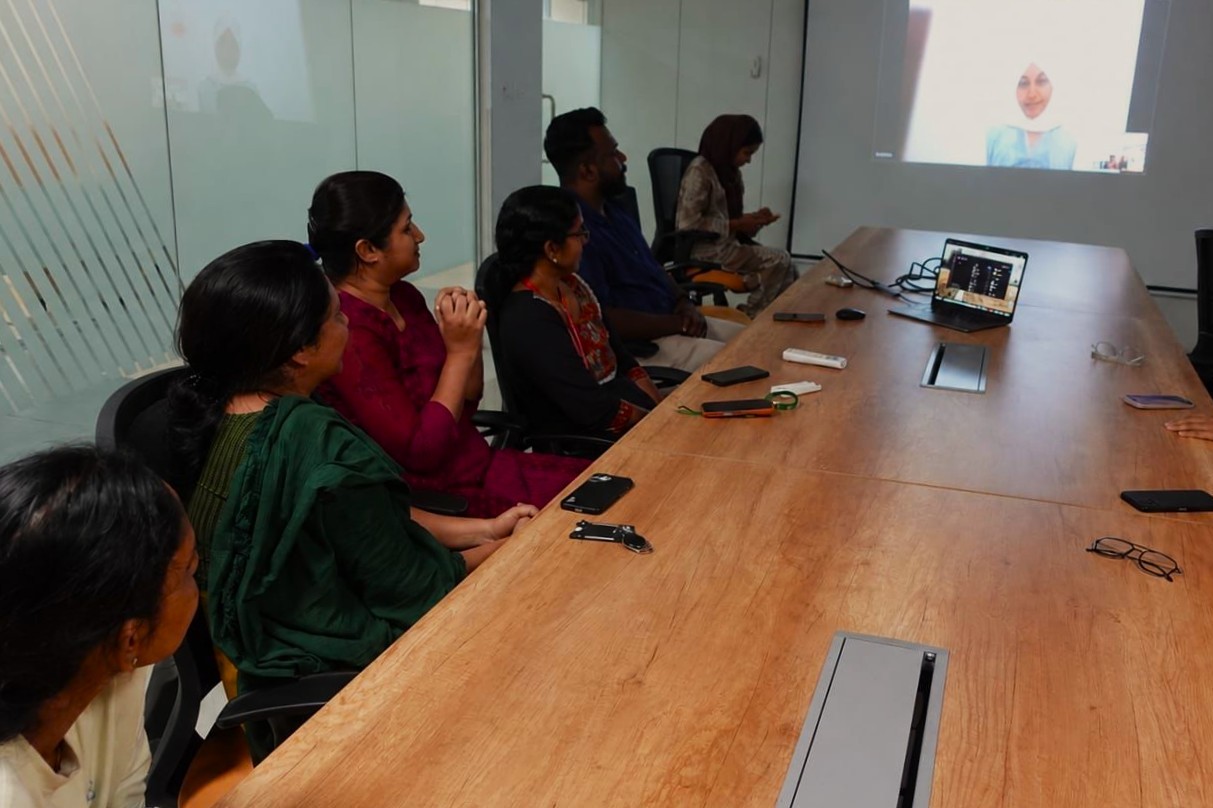
September 1, 2026
-
ഗവ. സൈബര്പാര്ക്കില് അന്താരാഷ്ട്ര സൈബർ വനിതാ ദിന സെമിനാര്
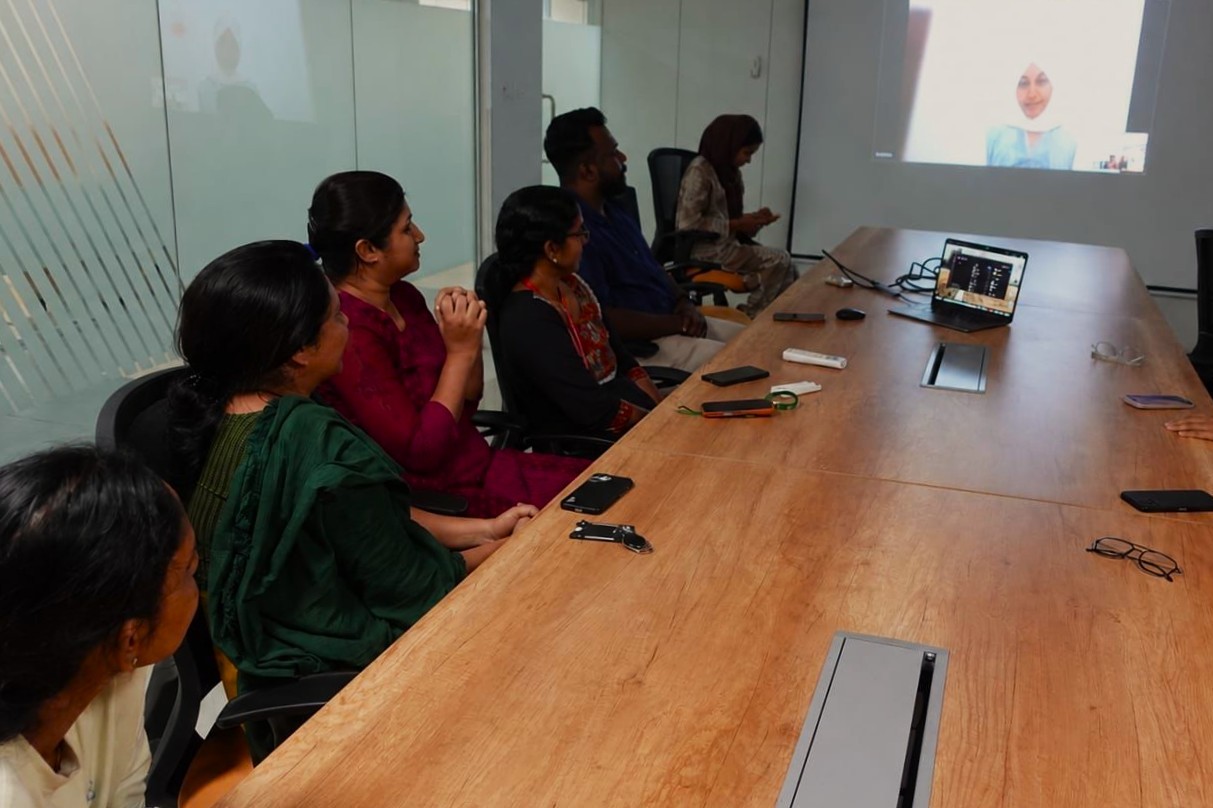
September 1, 2026
-
Infopark Cherthala hosts ‘Inforhythm 2026’
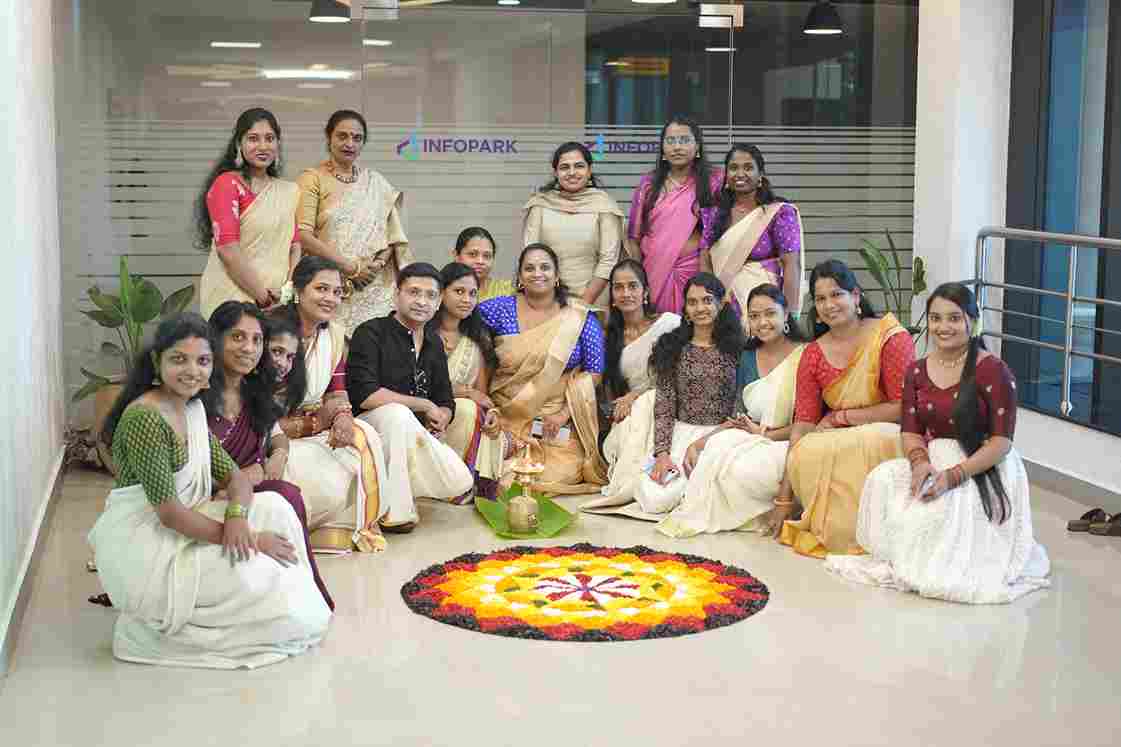
September 1, 2026