Biennale 2025: ABC Art Room Activities a Hit with Children
Kochi / December 2, 2025
Kochi, Dec 2: Contrasting a cacophony in class IV of the school, students next-door are in deep silence, focused on expressing the shades of a favourite sight in their native island. The visual elements comprise water-bodies and coconut-palms, besides the ice-cream vendor. The focused activity primarily seeks to stir children’s creativity, courtesy an imaginative endeavour by the Kochi Biennale Foundation (KBF).
Not that the loud noises from class IV of Mattancherry’s GHSLPS are mere echoes of naughtiness from the children. Seated on the floor, they create sounds by hitting stones together, tapping steel water bottles with a rod and creating drum-like sounds. Fellow students listen to them with joy, curiosity and wonder. That is free-spirited, too.
‘The ABC Art Room’, is again in full swing, courtesy the fast-approaching sixth edition of the Kochi-Muziris Biennale (KMB-6) being organised by the KBF. This year, six schools and two venues of KMB-6 are hosting The Art Room, which runs parallel to the biennale that is slated to commence on December 12.
The Art Room aims to cultivate a creative environment beyond turning children into artists, reveals Blaise Joseph, who heads the KBF’s ABC (Art By Children) Programme that is carrying out the project. “We have six artist-facilitators in two schools each. They work visual artists with an orientation in theatre-based activities” he reveals. The conclusion of the project is marked by exhibitions in each school and at two biennale venues.
The couple of KMB-6 venues that are hosting The Art Room are Fort Kochi Water Metro station and Bastion Bungalow. The 110-day biennale, which is curated by Nikhil Chopra with HH Art Spaces, Goa, will conclude on March 31, 2026. The KBF is a 2010-registered non-profit charitable trust.
In Class III of GHSLPS in Mattancherry, the Art Project students are made to move on an imaginary island, even step into water. The activities feature rhythm-based sessions, non-competitive games, action songs and visual-art practices, held twice a week in the school.
While the paintings by class III students went on to find display in class IV, where the students did compose lyrics so as to compile them into a symphony. The school’s headmistress, Sunitha C.R., says such activities awaken fresh ideas in children. “We ensure that the Art Rooms extend beyond classrooms. We hold them in residential pockets, community spaces, gardens and natural surroundings that are peaceful,” she informs. ‘Non-judgemental environments encourage curiosity, creativity and reflection. They help children imbibe values, ecological contexts and social awareness.’
The Art Room activities have made learning fun and students look forward to each class. It has made them freer, focussed, attentive, responsible, and accountable. The credit goes to the facilitators for their passion, patience and care. We want the Art Room to continue, she said.
The KBF’s Art Room project dates back to 2018, steeped in the idea that creativity is the basis of all learning, says Blaise, also an artist. This time, continuing the spirit as a stepping stone to inclusive education with emphasis on values, the project is on in half-a-dozen schools.
The Art Room facilitators are trained to engage young minds, while the guest facilitators conduct workshops, points out ABC Associate Neethu K.S. “The art modules are a combination of visual as well as theatre art,” she says. “They are designed to cater to the needs of children from different backgrounds, besides the community at large, including family members and even teachers.”
Students are introduced to ephemeral art, tracing contours of boys and girls, creating works from objects found around, art materials to instil values of empathy, sharing and caring. Jiji Ajith, a visual art facilitator who is in charge of GUPS Chirakkakam Art Room in West Kochi, says these hands-on activities enable children to explore colours, lines, figures, bodies and textures.
“They widen their imagination, choose topics, think out of the box, break away from gender stereotypes, caste and class discrimination,” Jiji notes. “Initially, the children could change their approach to art and life as they grasped each process of art linked to human values and nature. Now into the third edition, the Art Room students have changed for the better — more fearless and spontaneous with emotional, visual and verbal expressions.”
Attesting to her words is facilitator and theatre artist Salvin Francis of the same set of schools for whom pedagogy is art as well. “The Art Room has helped children better their motor and listening skills, attention span and focus at the individual and group level,” he says. “They are trying to comprehend the process, time needed, spatial awareness and imagination through playful, flexible movements.”
Agreeing with the ideas are the other Art Room facilitators: Aswathy G.S and Kiran E.V.S. (GUPS Vypeen, GHSS Kalavoor near Alappuzha), Pramod Gopalakrishnan and Dhanyamol P.C. (GHSS Vijayaraghavapuram near Chalakudy, Government Model Residential School, also at Chalakkudy near Thrissur).
ENDS


Latest PRESS RELEASES
-
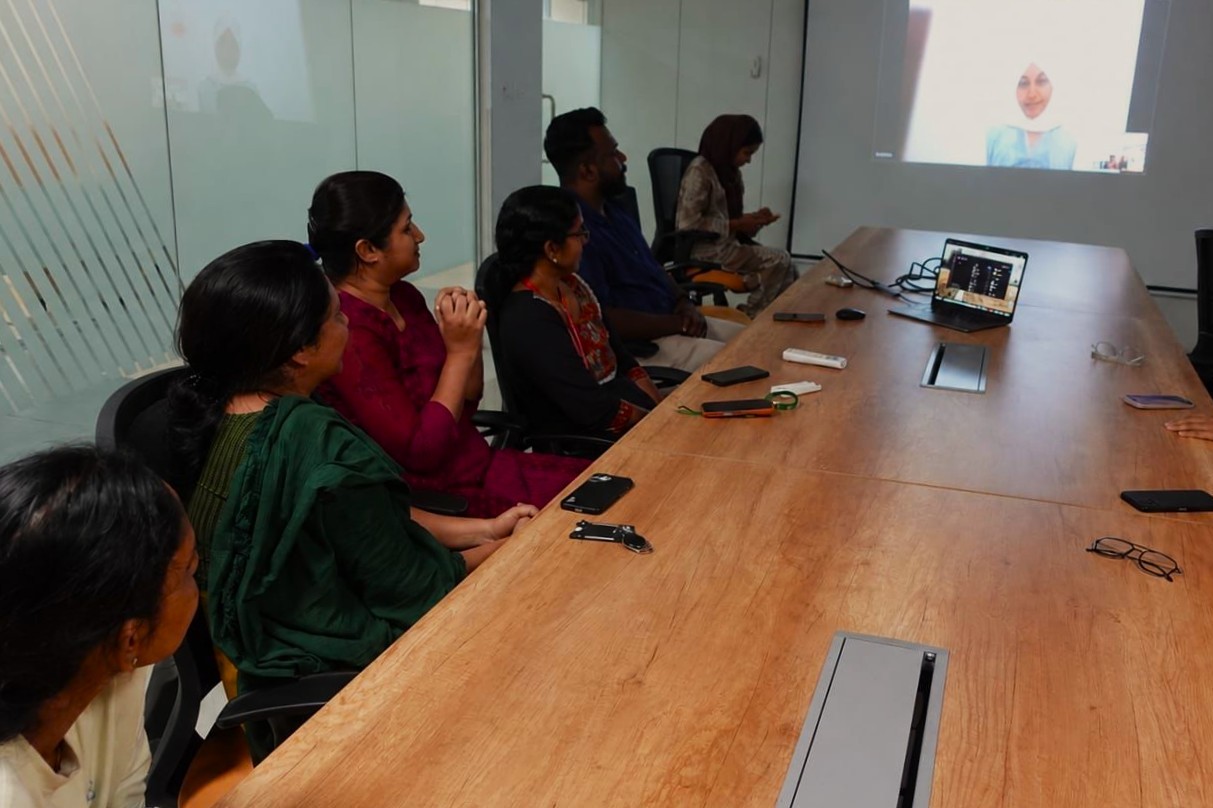
International Cyber Women’s Day seminar held at Government Cyberpark
September 1, 2026
-
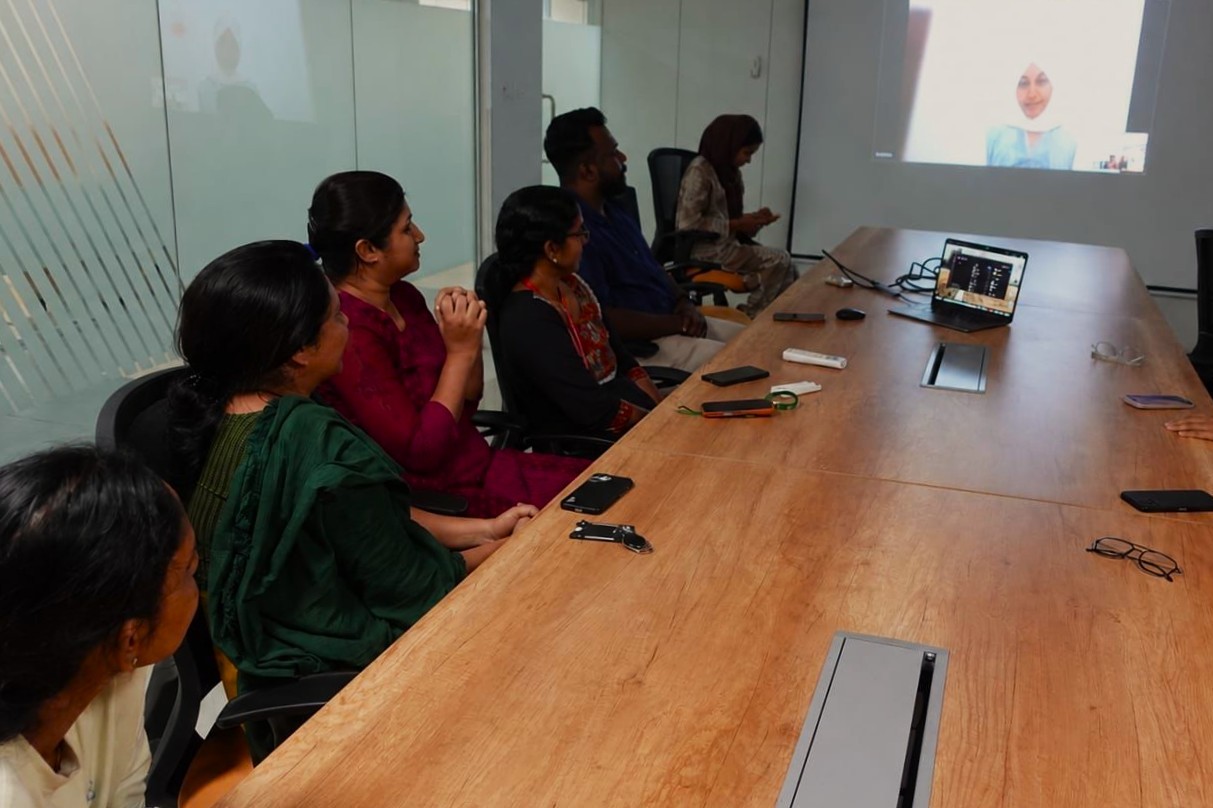
ഗവ. സൈബര്പാര്ക്കില് അന്താരാഷ്ട്ര സൈബർ വനിതാ ദിന സെമിനാര്
September 1, 2026
-
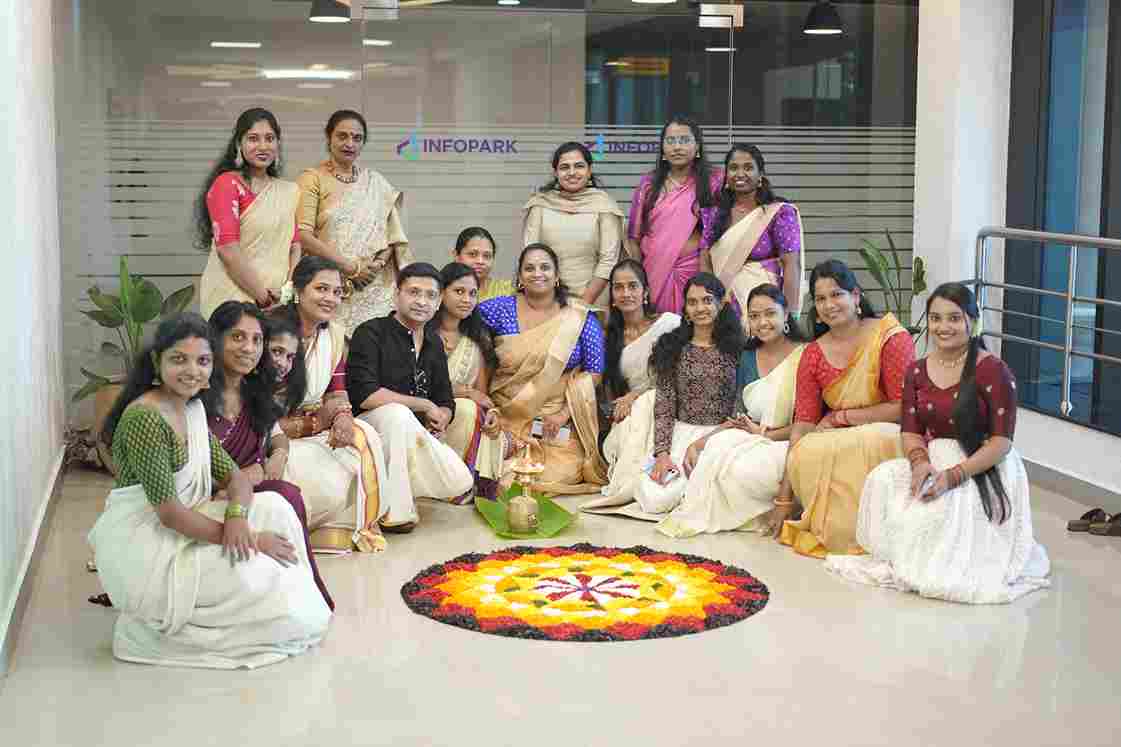
Infopark Cherthala hosts ‘Inforhythm 2026’
September 1, 2026