Dairy sector aims for sustainable and inclusive growth
Article by KS Mani, Chairman, Milma, on the occasion of National Milk Day (November 26)
Trivandrum / November 22, 2025
November 26 is celebrated as National Milk Day across the country. This day commemorates the birth anniversary of Dr Verghese Kurien, who pivoted the White Revolution in India and the country’s transformation into the world's largest milk producer by establishing cooperative societies, starting from Anand in Gujarat.
The dairy cooperative sector in India is built on the principles of cooperative federalism, as propounded by Shri Tribhuvan Das Patel and Dr Verghese Kurien. Small dairy farmers, who constitute about 80 per cent of the country's dairy sector, are its backbone.
The achievements of this sector have significantly improved the socio-economic conditions in rural areas, ensuring that small farmers receive fair prices for their milk, preventing exploitation, and promoting sustainable growth.
Milk and milk products are among the most accessible and affordable sources of nutrition for the general population. In India, where cows have been domesticated since the ancient riverine civilisations, dairy farming remains one of the most important occupations.
It is a point of pride that today, India is the world's largest milk producer, primarily driven by the cooperative model in the dairy sector, which contrasts with the large dairy farms seen in other countries.
The dairy sector in India is crucial for the livelihoods of millions of people. The country's dairy cooperative network encompasses 80 million farmers across 230,000 villages, ensuring equitable income distribution. Notably, women play an active role in 35 per cent of these cooperatives, leading 48,000 village-level dairy cooperatives, thereby providing economic independence for women.
There are ample opportunities for further growth and success in India's dairy sector, which also holds significant export potential, particularly in value-added products. The industry aims for sustainable, inclusive growth, with increasing productivity as its primary goal.
Strengthening the supply chain is also essential. By adopting global best practices and innovative technologies, the dairy sector can reach greater heights. Critical challenges such as climate change, rising raw material costs, and resource depletion should be addressed during National Milk Day celebrations this year.
While labour shortages are not a significant issue in India compared to developed countries, attracting young farmers and skilled workers is essential for sustaining the dairy sector's growth.
Small-scale dairy farmers, who make up about 80 per cent of the industry, are increasingly using technology and mechanisation to ease their workloads. Implementing sustainable practices is vital to transforming global challenges into opportunities. In India, agricultural residues, such as straw, are commonly used as animal feed, which helps reduce waste.
The growth of the dairy sector in Kerala is closely tied to Milma, a dairy farmer movement. The state is working towards self-sufficiency in milk production, with Milma playing a pivotal role. It aims to provide employment and livelihoods for dairy farmers, support them through various welfare activities, and advance the dairy sector.
Milma has made steady annual progress in milk production and marketing, guided by farmer welfare schemes. Dairy cooperative societies ensure the well-being of farmers in rural areas. Milma is devoted to strengthening these cooperatives.
Formed in the early 1980s based on the Anand model, Milma has today grown into a movement comprising 3,406 primary dairy cooperative societies and 1.06 million dairy farmers. It has established a robust market presence by procuring 1.25 million litres of milk and marketing 1.65 million litres daily, along with several value-added products. Currently, Milma has a turnover of Rs. 4,327 crores and aims to reach Rs. 10,000 crores by 2030.
Despite the significant decline in milk procurement following COVID-19, there has been a 14 per cent increase in milk procurement in the first half of this financial year. Milma products are today exported to Maldives, Australia, New Zealand, and the Gulf region, with efforts underway to expand our overseas market to the USA, Canada, and European countries.
The Milma milk powder factory, inaugurated by our Hon’ble Chief Minister Shri Pinarayi Vijayan in Moorkanad, Malappuram, last year, is operating successfully. Efforts are being made to market dairy whitener and products from this factory, built with world-class technology, in other states.
Commitment to dairy farmers and sustained consumer trust are crucial for Milma's growth. As a cooperative movement, dairy farmers are the primary beneficiaries of Milma's expansion and market success. In the last financial year, Milma distributed a profit share of Rs. 254.79 crores, with 92.5 per cent of its income going to dairy farmers in the form of additional milk prices, fodder subsidies, and various other welfare activities. In addition, several subsidies, incentives, and welfare initiatives are offered to support dairy farmers.
Over the years, Milma has been a consistent winner of the National Gopal Ratna Award (NGRA), instituted by the Department of Animal Husbandry and Dairying under the Union Ministry of Fisheries, Animal Husbandry and Dairying since 2021. The Dairy Cooperative Societies in Deepthigiri (second prize in 2021), Mananthavadi (first in 2022) and Pulpally (first in 2023) in Wayanad were the winners in the earlier years.
The Meenangadi Dairy Cooperative Society in Wayanad and the Kunnamkattupathy Dairy Cooperative Society in Palakkad have bagged this prestigious as the country’s best and second-best milk co-operative societies this year as well. I take this opportunity to congratulate the leadership of the two societies, both of which come under the Malabar Regional Co-operative Milk Producers’ Union (MRCMPU).
Amid making strides in milk production, it is also essential to educate dairy farmers about food safety standards and the modern threats to food security. It is vitally important to ensure that milk and dairy products provided to consumers are the safest and highest-quality available.
Milma is advancing towards its goal of expanding the market and becoming an international brand by prioritising the quality and safety of its milk and value-added products.
Milma has signed a memorandum of understanding with Kerala Bank to provide loans to dairy farmers on simplified terms. As a result, Kerala Bank is significantly assisting dairy farmers by approving large-scale loans, a crucial factor in increasing milk production.
It's noteworthy that our state pays dairy farmers the highest prices for milk despite high production costs. The immediate task on hand is to reduce the input cost and boost our milk production.
ENDS


Latest PRESS RELEASES
-
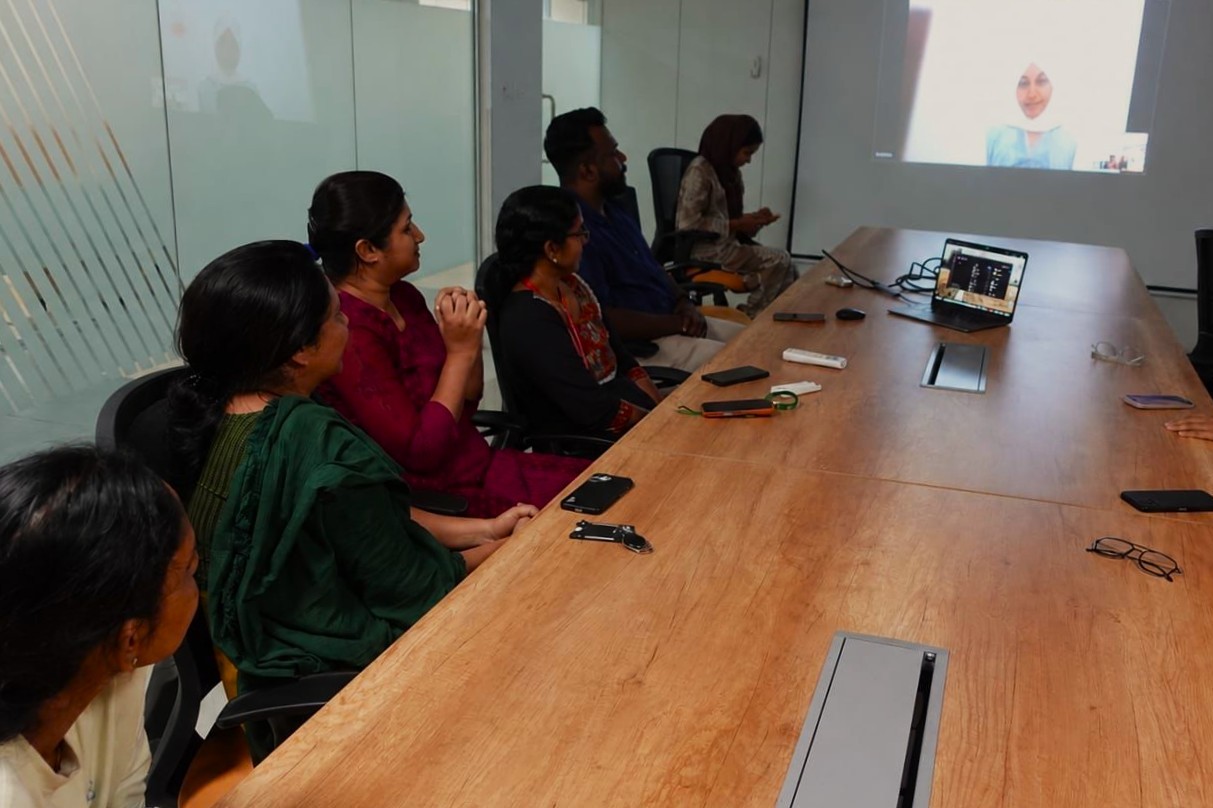
International Cyber Women’s Day seminar held at Government Cyberpark
September 1, 2026
-
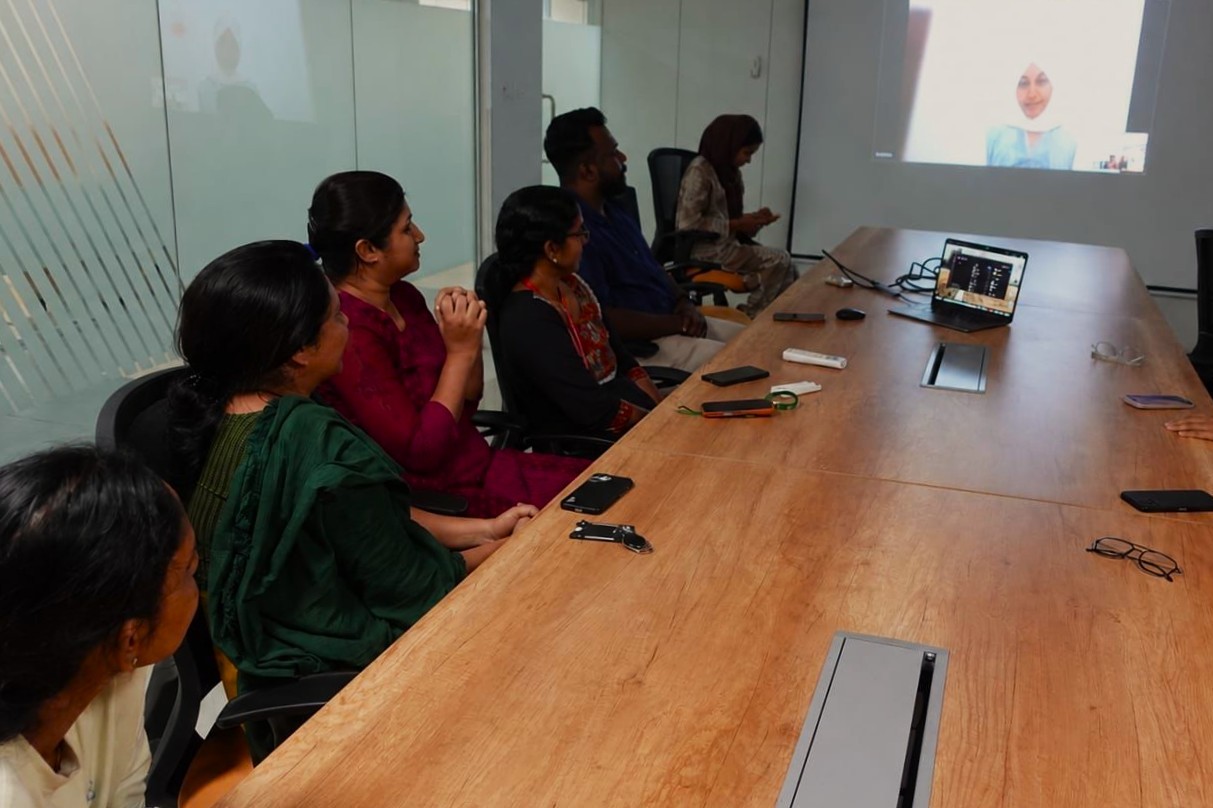
ഗവ. സൈബര്പാര്ക്കില് അന്താരാഷ്ട്ര സൈബർ വനിതാ ദിന സെമിനാര്
September 1, 2026
-
Infopark Cherthala hosts ‘Inforhythm 2026’

September 1, 2026