Kerala has made great strides in the industrial sector through an inclusive policy: Minister P Rajeeve
Minister inaugurates 'Vision 2031' Industries seminar
Trivandrum / October 23, 2025
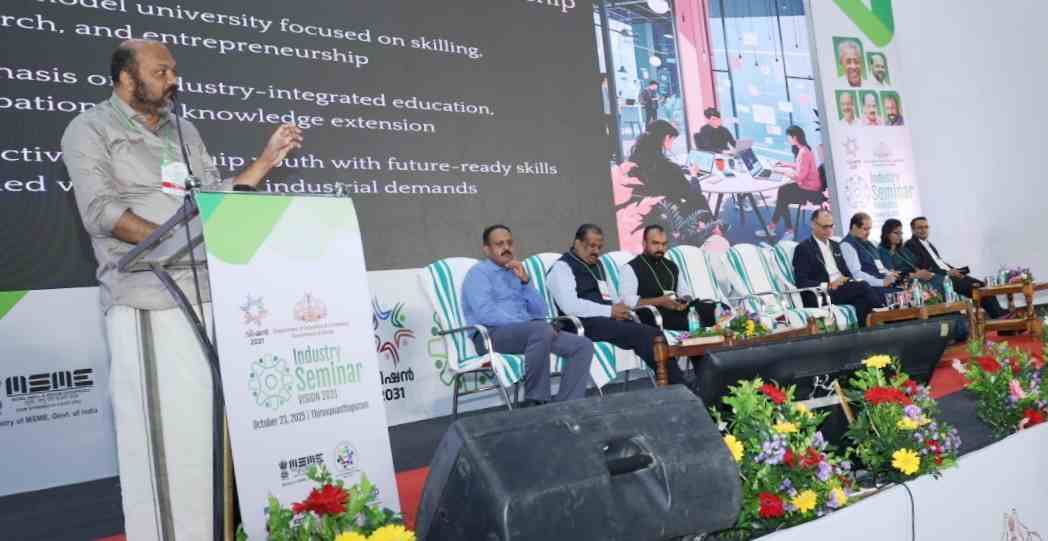
Thiruvananthapuram, Oct 23: Kerala has made significant advances in the industrial sector through an inclusive industrial policy, according to Industries, Law and Coir Minister, Shri P Rajeeve.
He was speaking after inaugurating the 'Vision 2031' seminar organised by the State Department of Industries and Commerce, aimed at formulating and evaluating Kerala's industrial development blueprint.
The minister highlighted that over the past nine years, Kerala has achieved considerable progress due to the continuity of policies and commitment in the industrial sector.
The state is committed to treating large and small industries equally, ensuring the inclusion of women, marginalised communities, and other stakeholders in this approach.
In 2021, 85,000 industrial enterprises were registered in Kerala, and this number has now increased to 16.85 lakh, with approximately 48 per cent owned by women entrepreneurs.
Kerala’s investment policy is aligned with environmental sustainability, and the state became the first in India to adopt an Environmental, Social, and Governance (ESG) policy.
“This success reflects Kerala's commitment to an inclusive policy,” Shri Rajeeve said.
The minister added that Vision 2031 aims to elevate industrialisation by including all segments of society. The Vision 2031 document was also presented during the event.
Kadakampally Surendran, MLA, presided over the function, while BPCL CMD Sanjay Khanna delivered the keynote address.
APM Muhammed Hanish, Principal Secretary, Department of Industries and Commerce, shared the achievements of the Industries Department over the last nine years.
He cited several significant achievements, including the New Industrial Policy of 2023, the Kerala Export Promotion Policy, the Kerala Logistics Policy 2025, the Kerala Hi-Tech Framework 2025, and the Kerala ESG Policy 2025.
“Regular interaction with industrial enterprises and ongoing policy reviews have led to significant improvements in the state's industrial environment, eliminating outdated laws and enhancing the Ease Of Doing Business,” he said.
Shri. Vishnuraj P, IAS Director, Department of Industries and Commerce and Managing Director, KSIDC, stated that the Industries Department is committed to creating systems that facilitate future industrial growth instead of merely responding to complaints about an unwelcoming environment.
“The growth shown in Kerala's industrial sector indicates that this responsibility has been successfully fulfilled. The industrial sector also contributes to social development,” he said.
Smt. Anie Jula Thomas IAS, Officer on Special Duty, Department of Industries and Commerce and Director, Coir Department; Dr. K Harikumar IAS, Director, Department of Mining and Geology; KSIDC Executive Director Shri Harikrishnan R., and KINFRA MD Shri Santosh Koshy Thomas were also present at the inaugural session of the seminar.
The one-day event was organised by the Department of Industries and Commerce in collaboration with the Kerala State Industrial Development Corporation (KSIDC), Directorate of Industries and Commerce, Kerala Bureau of Industrial Promotion (K-BIP), and KINFRA.
The seminar is part of a series of events organised by the state government, covering 33 topics aimed at transforming Kerala into a progressive and developed state by 2031.
It marks a significant milestone in the state government’s efforts to develop an industrial vision, focusing on Kerala's economic and social progress.
Topics at the seminar included Vision 2031: Roadmap for Responsible Growth and Innovation; PSU-2.0 for Kerala's Industrial Boom; Legacy Industries and New Value Chains 2031; MSMEs for Kerala's Industrial Future; and Reimagining the MSME Sector for Kerala's Industrial Future.
Participants included policymakers, industry stakeholders, and institutions, who collaborated on strategies to sustain industrial growth while ensuring environmental responsibility and social equity.
Discussions focused on positioning Kerala as a knowledge and technology-based industrial hub, promoting sustainability and resilience, and strengthening the connections between research, entrepreneurship, and employment.
There were also discussions on attracting top investments, developing globally competitive industries, and enhancing infrastructure and policies to be more efficient.
ENDS

Latest PRESS RELEASES
-
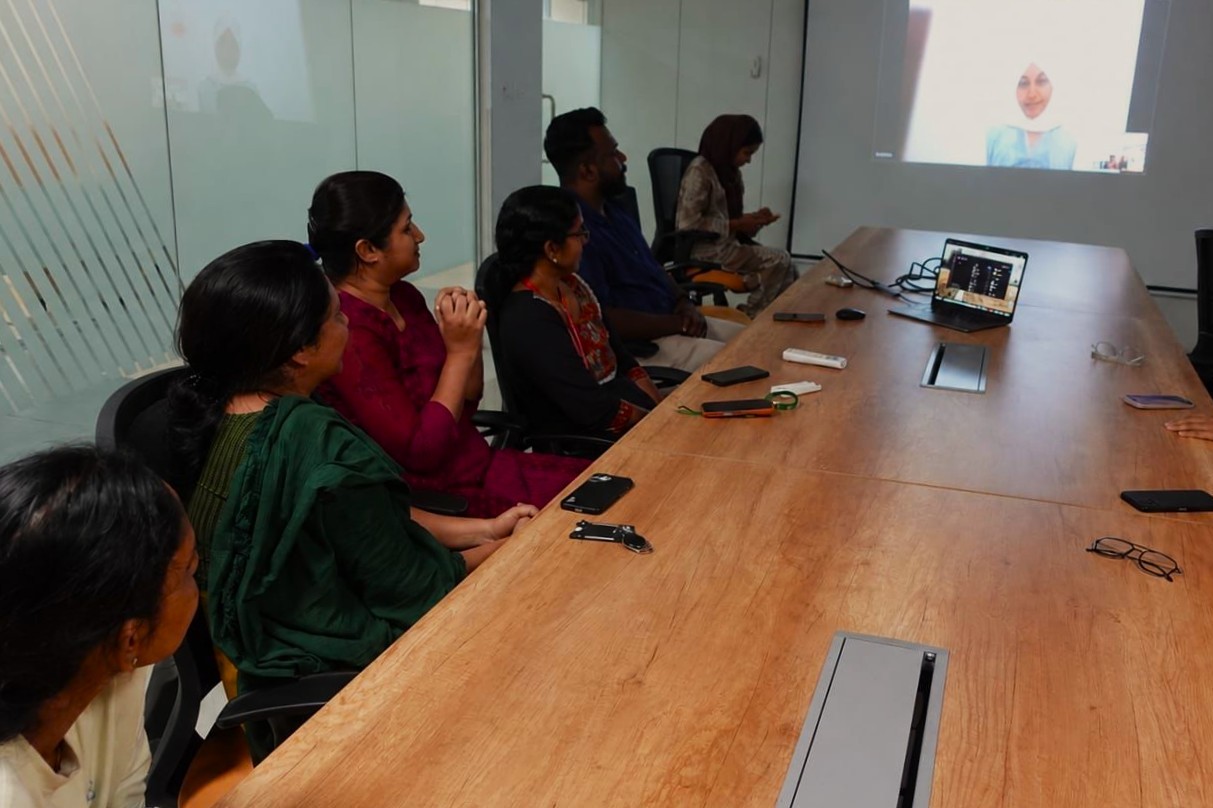
International Cyber Women’s Day seminar held at Government Cyberpark
September 1, 2026
-
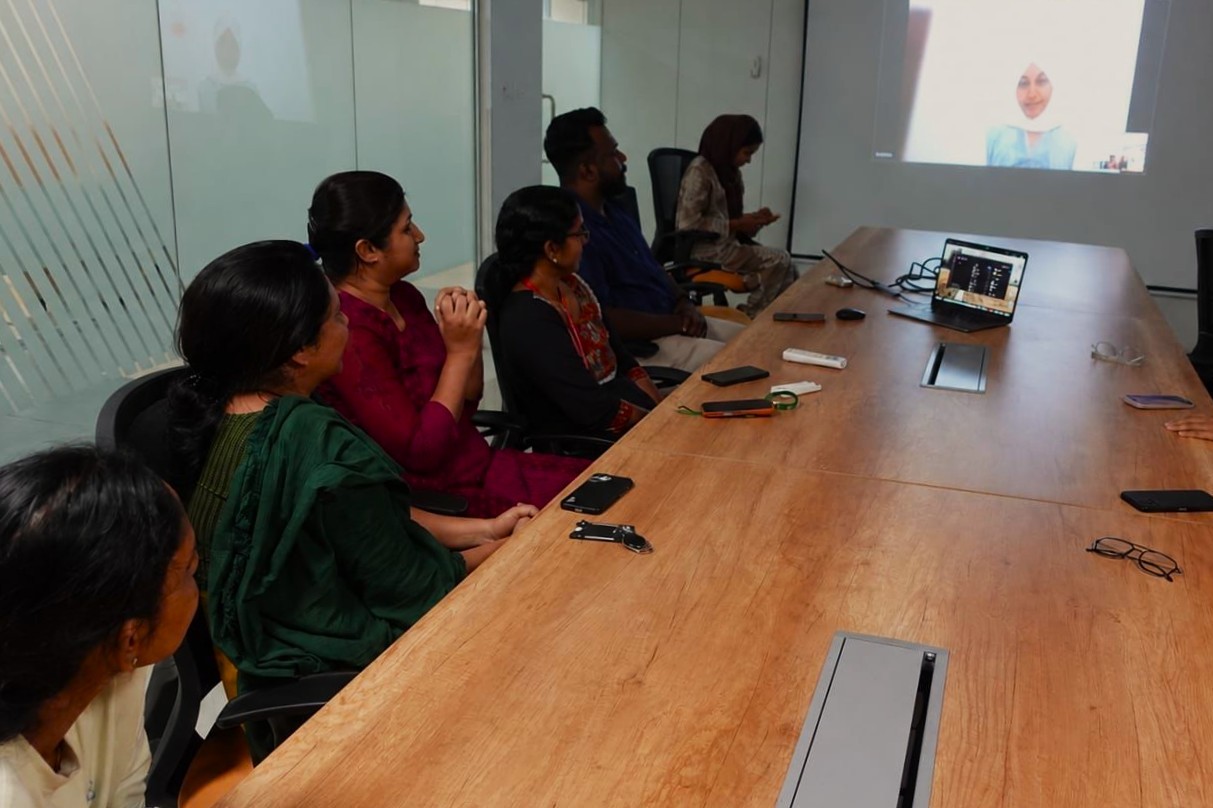
ഗവ. സൈബര്പാര്ക്കില് അന്താരാഷ്ട്ര സൈബർ വനിതാ ദിന സെമിനാര്
September 1, 2026
-
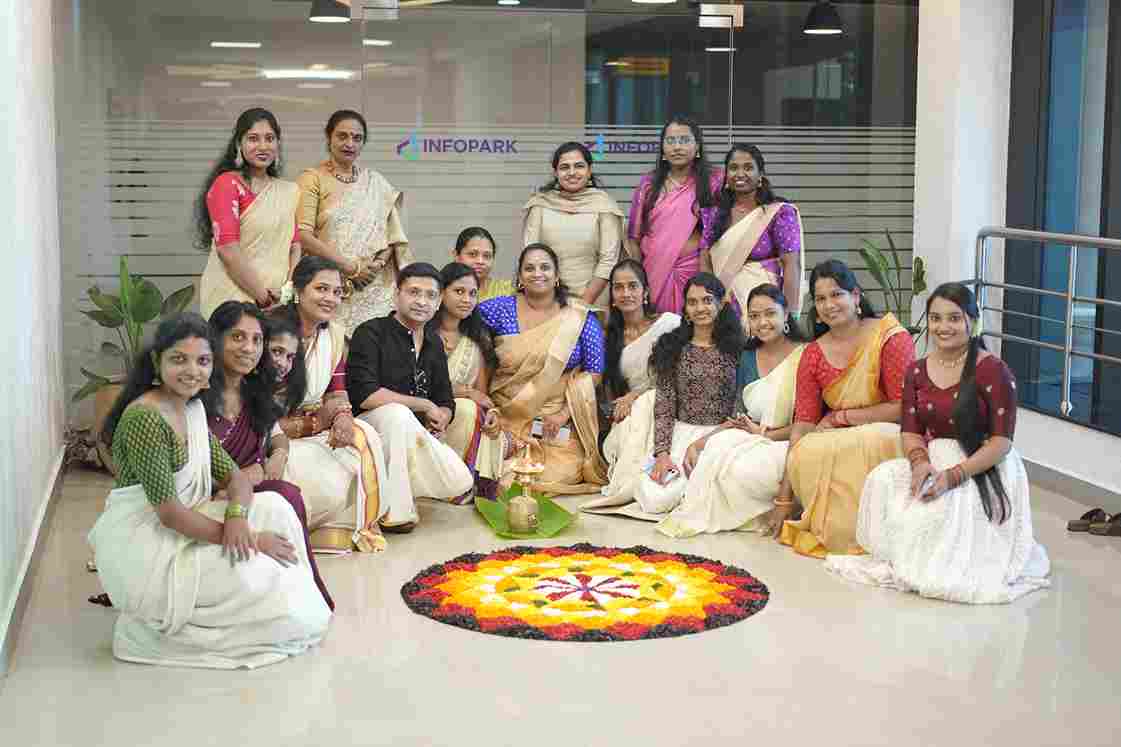
Infopark Cherthala hosts ‘Inforhythm 2026’
September 1, 2026