Deserts tell stories of sustainability, resilience: Writer Muzafer Ahamed at Yaanam travel lit fest
Varkala / October 18, 2025
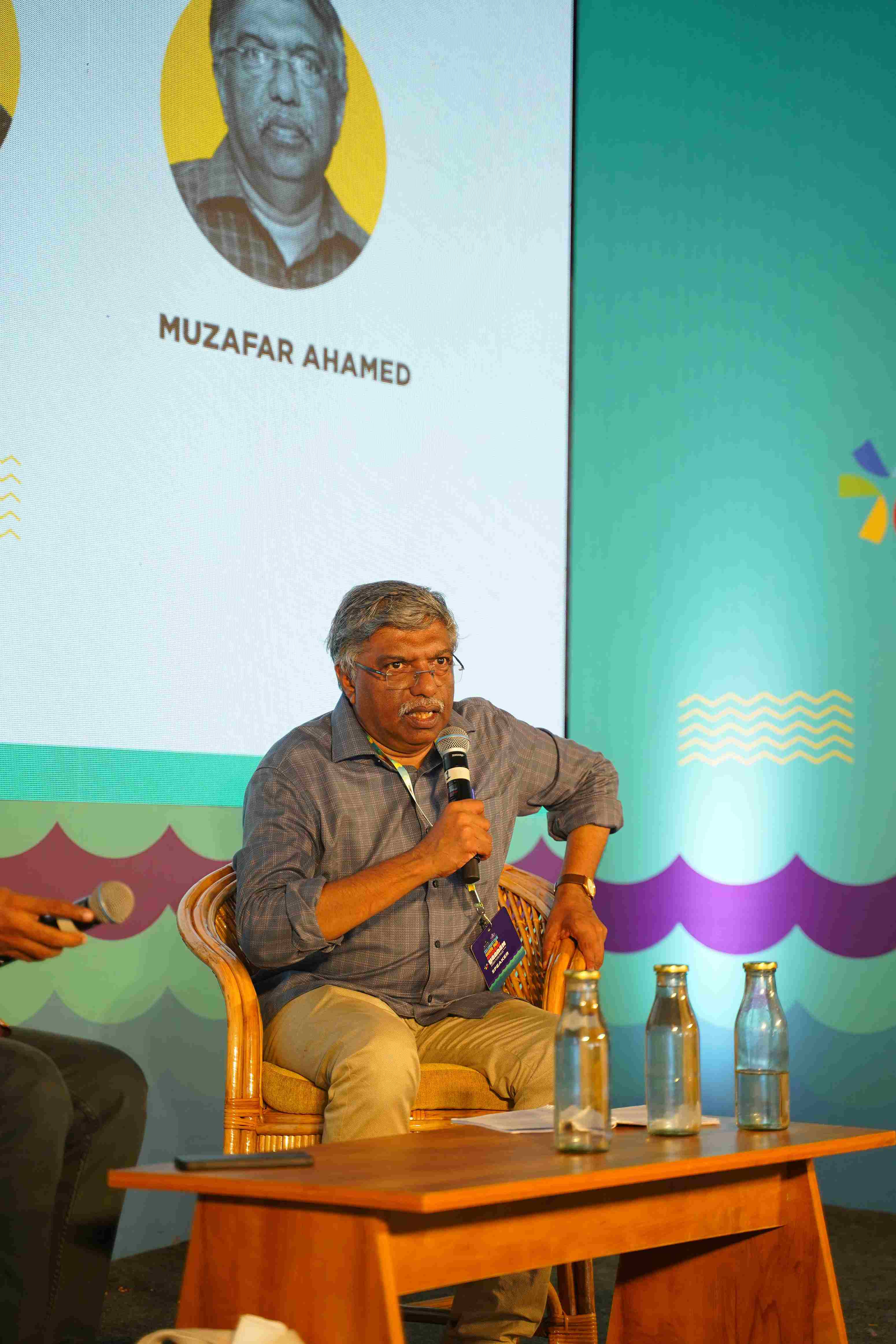
Varkala (Kerala), Oct 18: “Deserts are not all barren and dead. Their ecology and culture are as sustainable, inclusive and fascinating as that of Kerala, famed for its greenery and cultural diversity”, according to leading travel writer V Muzafer Ahamed, who was here to attend India’s first Travel Literary festival ‘Yaanam 2025.’
Coming from an all green environment blessed with 44 rivers and plenty of rains in two monsoon cycles , it is natural for Malayalis to have a wrong impression about deserts, said Ahamed, who has explored deep into the Arabian desert and left vivid accounts of his journeys in widely-read and translated travelogues.
Ahamed, author of 20 books including globally appreciated ‘Marubhumiyude Atmakatha’ (Autobiography of the Desert), spoke on “Desert Crossings: Stories of Migration and Travel” at the festival.
“It may sound a bit ironic that much of the present prosperity of Kerala has come from the Arabian desert, whose hot and arid trails had been treaded by the pioneers of the Gulf migration,” he noted.
The widespread impression of the desert and life on it is largely formed by the accounts of the western writers and film-makers, who often missed, or distorted, the ecosystem’s real life, diversity, culture, sustainability and resilience, Ahamed said.
“I was astounded to see during my very first journey into the desert how the reality sharply differed from what we have gathered through these writings. Deserts have their own biodiversity and its human communities have zealously preserved their culture, traditions and resilient ways to survive When I settled down to write my experience I decided that I should convey to readers what I had seen and experienced conscientiously. And, my books have been received well, and even made into textbooks by universities”, Ahamed, a journalist by profession said.
Like any other ecosystem, desert also face problems of degradation resulting human encroachment, he noted.
How about the expression “desertification”, often used to convey the magnitude of ecological devastation? “Yes, it conveys the sense depending upon the specific ecosystem you are referring to, but not true in the case of deserts” Ahamed added.
Lauding Kerala Tourism Department for organising ‘Yaanam’, Ahamed said the festival is of great cultural significance as a celebration for traveling and forum for travel writers, artists and social media influencers to share their experiences and convey them to a larger audience.
Ahamed’s two travelogues, Marubhumiyude Atmakatha (autobiography of the desert), which won the Kerala Sahitya Akademi award, and Maru Marangal, have been translated into English as ‘camels in the sky : travels in Arabia (OUP, India). This was prescribed as textbook by universities in India and abroad.
India’s first travel literary festival, Yaanam 2025 has brought together leading travel writers, vloggers and social media influencers from around the world, setting the stage for them to share their insights and perspectives on sustainable and inclusive tourism to meet the demands of the present day travelers.
‘Celebrating Words and Wanderlust’ is the theme of the festival.
Ends
Photo Gallery
Content
Latest PRESS RELEASES
-
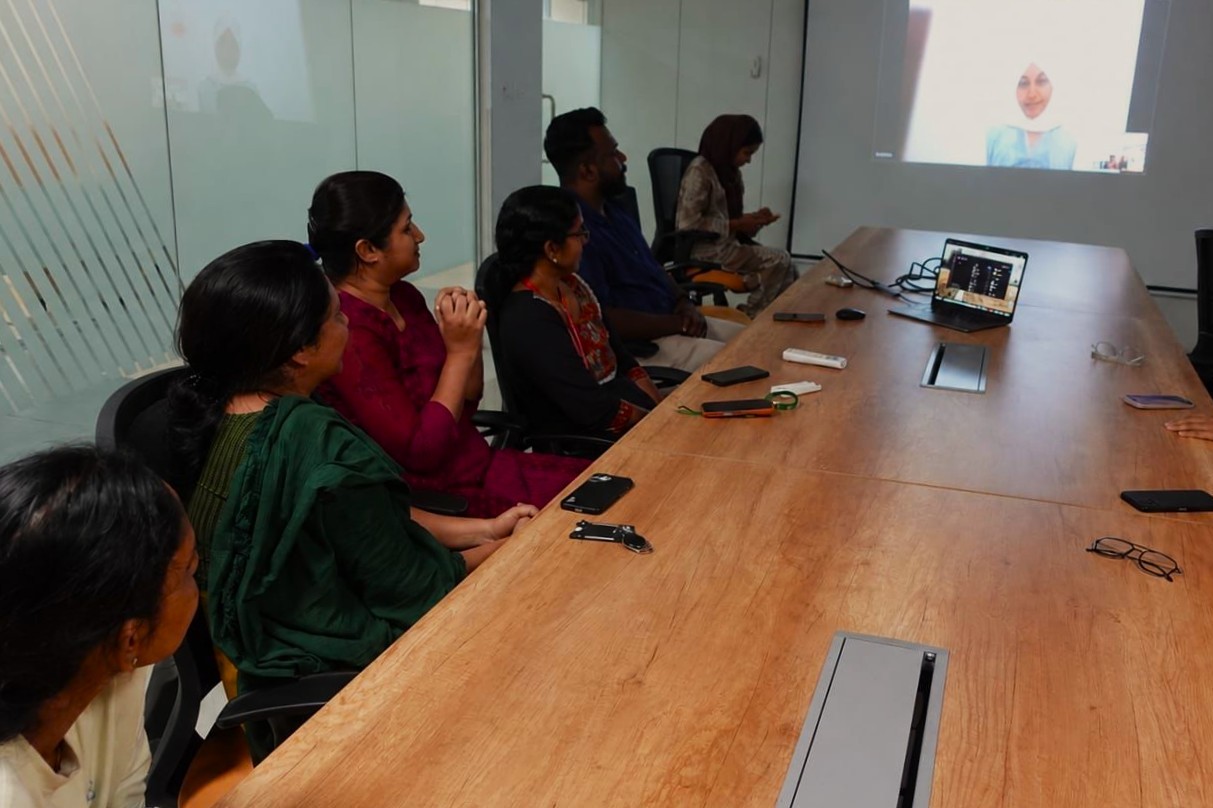
International Cyber Women’s Day seminar held at Government Cyberpark
September 1, 2026
-
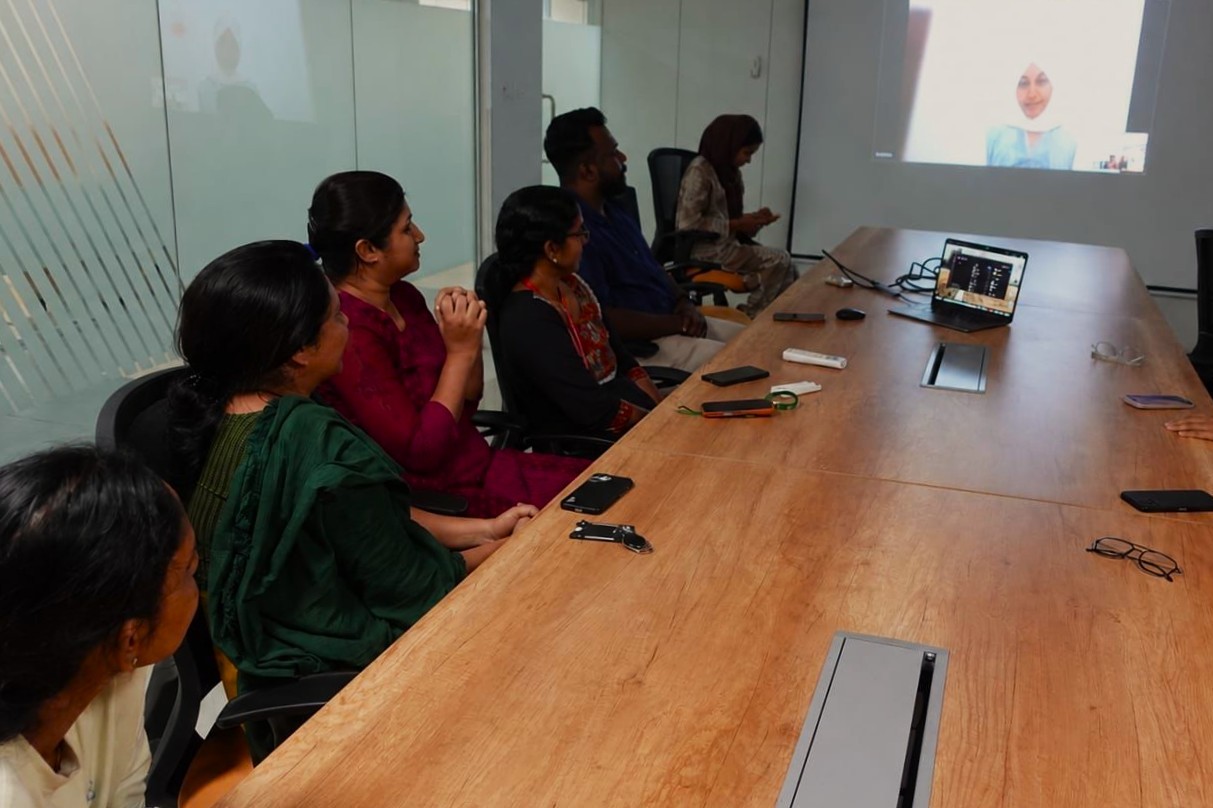
ഗവ. സൈബര്പാര്ക്കില് അന്താരാഷ്ട്ര സൈബർ വനിതാ ദിന സെമിനാര്
September 1, 2026
-
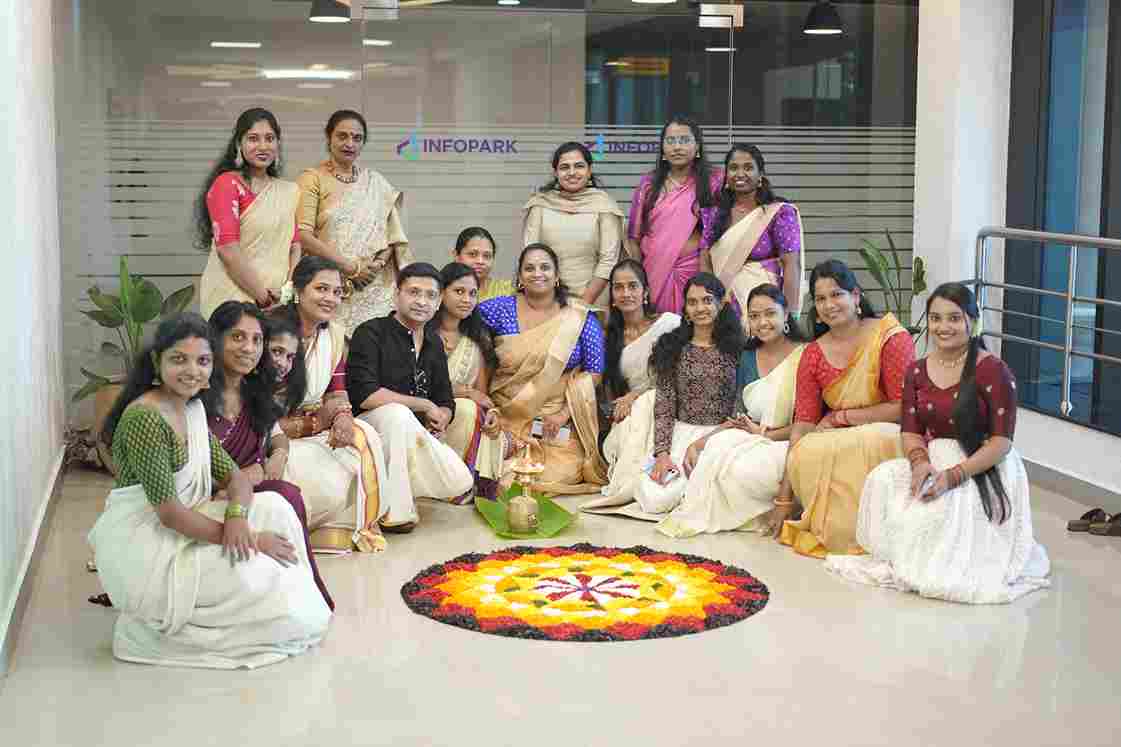
Infopark Cherthala hosts ‘Inforhythm 2026’
September 1, 2026